

Color for deep shade: ‘Double Glimmer’ with rose-form flowers in hot pink and burgundy, and mixed pink, purple and white combos. Spring and fall plantings; daily water in warm weather.
Impatiens are the answer to the darkest corner of the garden — a north wall, under a dense tree, a covered patio — where they bloom without pause in shades of pink, purple, white and red. ‘Double Glimmer’ carries fully double, rose-like flowers on compact plants; the mixed hanging baskets come, ready to hang. In the low desert impatiens have two seasons, spring and fall; they collapse in July heat and in the first frost, and they want water every day in a basket once the weather warms.
We commonly carry ‘Double Glimmer Hot Pink’, ‘Double Glimmer Burgundy’, and pink-purple-white combination baskets. The rest of the color tables are on our Annual Flowers & Foliage page.

These are the impatiens varieties we commonly carry. Availability changes week to week and season to season, so call (480) 987-3308 or stop in to see what’s on the bench today.
‘Double Glimmer’ in deep wine-red.
Fully double, rosebud-shaped flowers in vivid pink on a compact 10–12-inch plant.
A ready-made hanging basket of single impatiens in pink, purple and white, ready to hang in the shade.
Looking for one that isn’t listed? Ask — we can usually suggest a close match or tell you when it tends to come around.
The care tag was written somewhere else. This is the Queen Creek version.
Set out from mid-February through April, after frost, for bloom until the heat of late June or July; and again in October for bloom until the first frost in late November or December. Impatiens have no tolerance for frost or for 110°F, so there are two seasons and a gap between them.
Impatiens wilt dramatically when dry and recover if watered the same day, but each wilt costs flowers. Water baskets and pots daily from April, twice on hot windy days; beds every two days. Use a moisture-retentive potting mix and a saucer. Water at the base in the morning.
Impatiens downy mildew — yellowing leaves with white fuzz beneath, then sudden collapse — appears in still, humid weeks. Space plants for airflow, water at the base, and remove affected plants promptly; don’t replant impatiens in the same soil that season. ‘Double Glimmer’ is a standard walleriana type and is susceptible.
Bright shade or morning sun only, in any season. Afternoon sun scorches the leaves and wilts the plant twice a day. A north wall, a dense tree canopy or a covered patio is ideal; deep shade is fine, though flowering slows.
Rich soil with compost or a quality potting mix. A bloom fertilizer at half strength every two weeks. Impatiens are self-cleaning — no deadheading. Leggy plants can be cut back by a third and will refill.
Impatiens are non-toxic to cats and dogs.
Snap a photo of the spot — sun direction, wall color, pot size — and we’ll pick a season-correct combination with you. Advice is free.
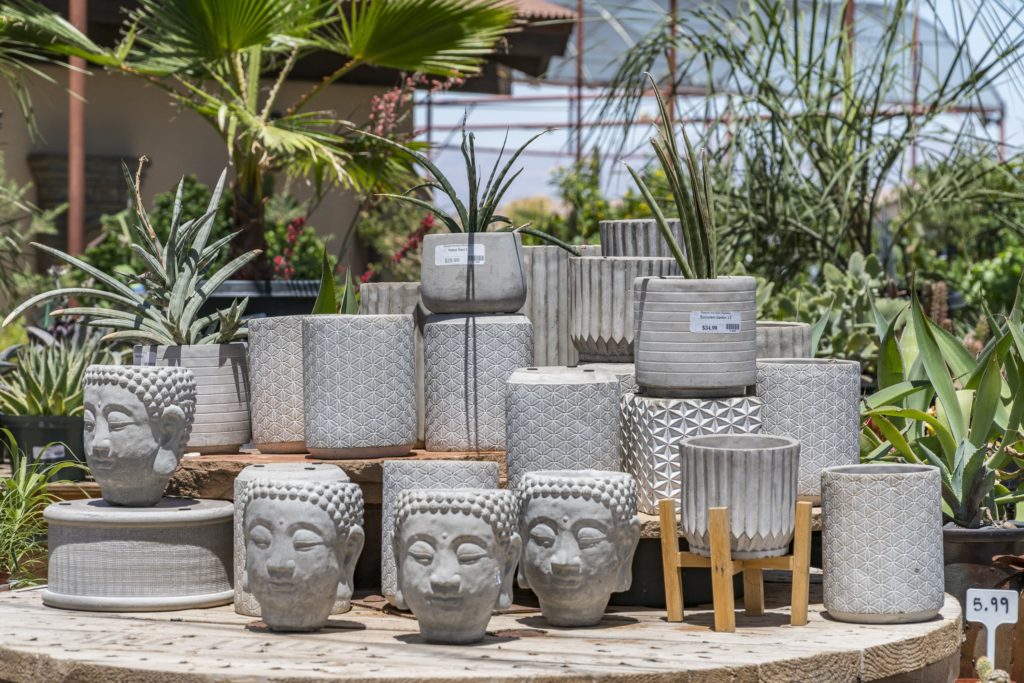
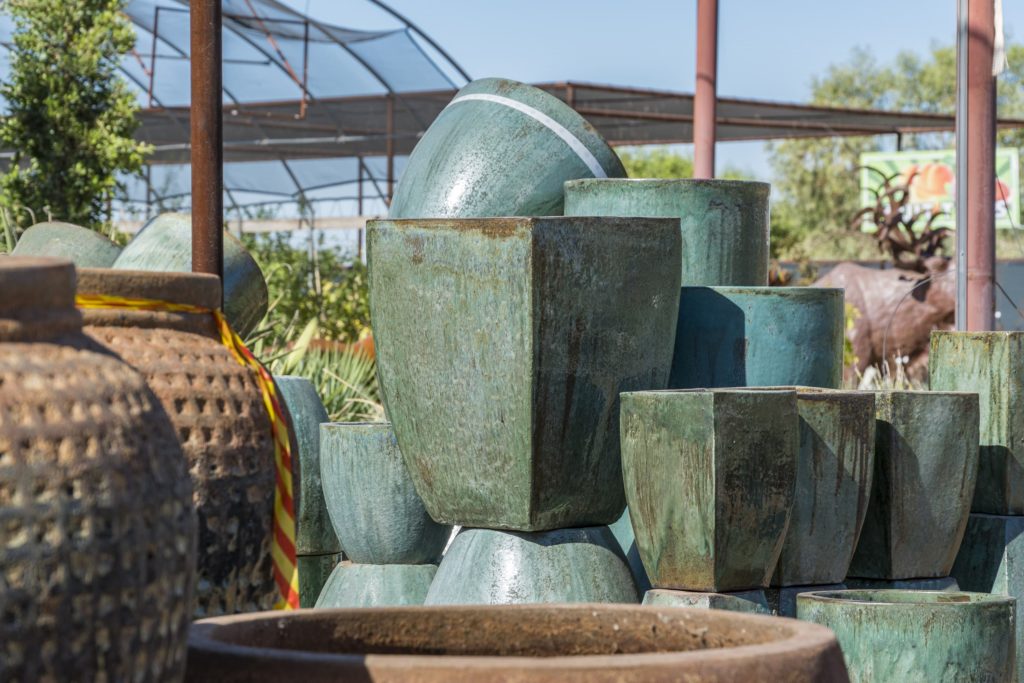
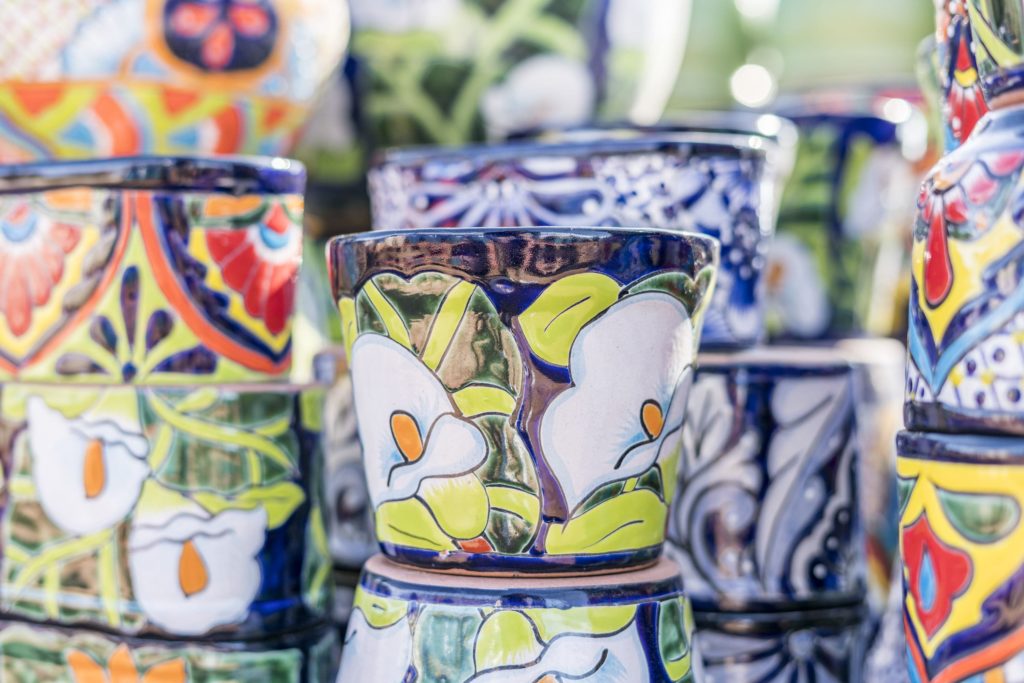
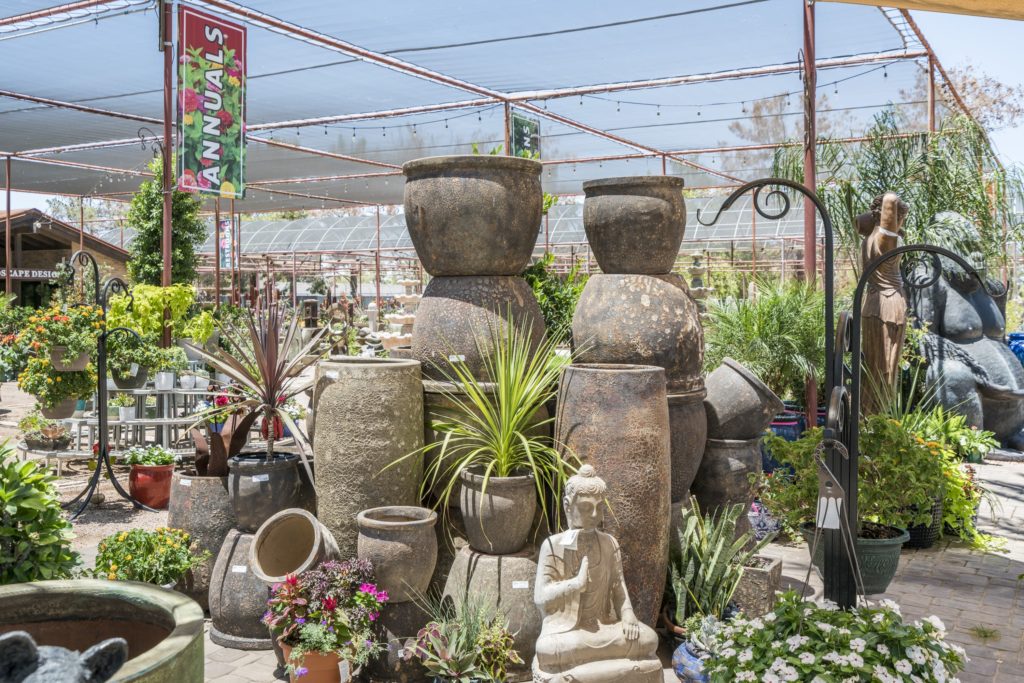
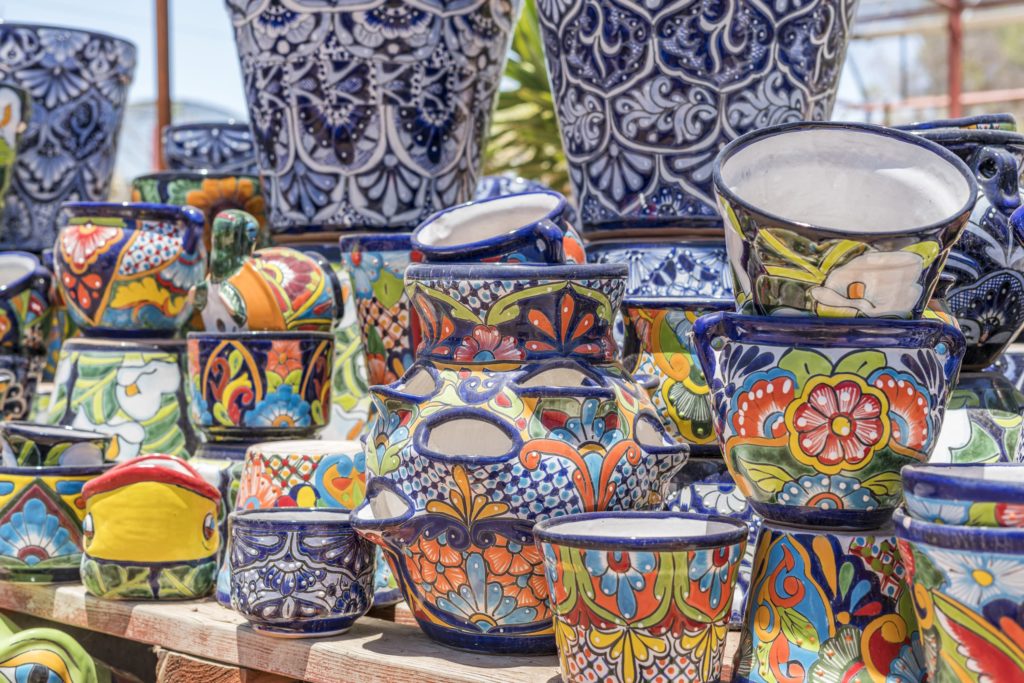
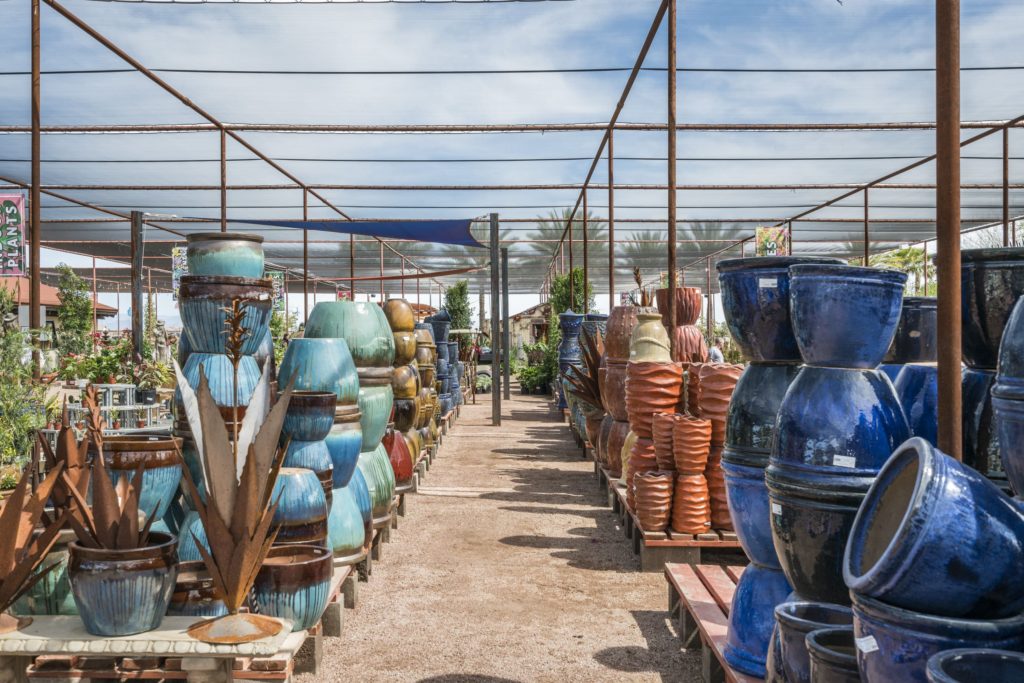
Annuals succeed or fail on what’s under them. We stock planting mix and compost for beds, potting mix for containers, bloom fertilizers including Tony’s Magic Mix and Magic Flower, starter fertilizer, drip fittings and frost cloth for the cold nights. The pottery yard has glazed and terracotta pots from 4-inch to whiskey-barrel size, window boxes and hanging baskets, and soil and mulch is sold by the bag or by the yard.
Mid-February through April, and again in October. They collapse in July heat and in the first frost.
Morning sun at most. Afternoon sun wilts and scorches them. They are the plant for true shade.
Daily for baskets and pots from April, twice on hot windy days; every two days in beds. They wilt fast when dry.
No — impatiens drop their own flowers. Cut leggy plants back by a third to refresh them.
Impatiens downy mildew. Remove the plants, don’t replant impatiens there this season, and choose better airflow next time.
Yes, they are non-toxic to cats and dogs.
Impatiens live on the annuals tables; any staff member can point you to them. Locally owned, and a short drive from San Tan Valley, Gilbert, Chandler and Mesa.