

Silver felted foliage that makes every color beside it look brighter: lacy ‘Silverdust’ and broad-leaved ‘New Look’. Full sun, sparing water, and it carries a winter bed from October to May.
Dusty miller is not grown for flowers — its yellow daisies in spring are best cut off — but for its felted, silver-white leaves, which turn a bed of pansies, snapdragons and petunias from a jumble into a design. It is tough, frost-proof and drought-tolerant, and in Queen Creek it is a cool-season plant: at its best from an October planting through May, then struggling as monsoon humidity rots the felt.
We commonly carry ‘Silverdust’, the finely cut lacy form; ‘New Look’, with broad oak-leaf foliage; and standard dusty miller. It is toxic if eaten. The rest of the color tables are on our Annual Flowers & Foliage page.

These are the dusty miller varieties we commonly carry. Availability changes week to week and season to season, so call (480) 987-3308 or stop in to see what’s on the bench today.
Broad, lobed, oak-leaf-shaped silver leaves — a bolder texture that reads from further away.
The lacy, deeply cut form with the whitest foliage, on a compact 8–10-inch plant.
Standard dusty miller, spring and fall — the economical filler for edging a bed.
Looking for one that isn’t listed? Ask — we can usually suggest a close match or tell you when it tends to come around.
The care tag was written somewhere else. This is the Queen Creek version.
Set out from mid-October through March. Fall plantings look good until June; some survive the summer in a dry, sunny spot and become semi-woody perennials, but most rot in monsoon humidity and are replanted in fall. Dusty miller takes frost to the low 20s.
Water every four to five days in beds and every two to three in pots through winter, less in the coldest weeks. Dusty miller rots in wet soil; let the surface dry between waterings and water at the base — soaking the felted leaves invites rot. It is the driest-growing plant in the winter bed.
In April it sends up stalks of small yellow flowers that spoil the tidy shape. Cut them off at the base as they appear. Pinch leggy stems back to keep the mound dense. Plants that survive summer can be cut back by half in September.
Full sun keeps it compact and silver. In shade it stretches, and the leaves green up and lose their felt. It tolerates reflected heat off walls well.
Any well-drained soil. Avoid heavy, water-holding beds and thick organic mulch against the crown; gravel mulch suits it.
Rarely troubled. Aphids on the flower stalks; rust in humid spells. Dusty miller is toxic to cats, dogs and livestock if eaten in quantity.
Snap a photo of the spot — sun direction, wall color, pot size — and we’ll pick a season-correct combination with you. Advice is free.
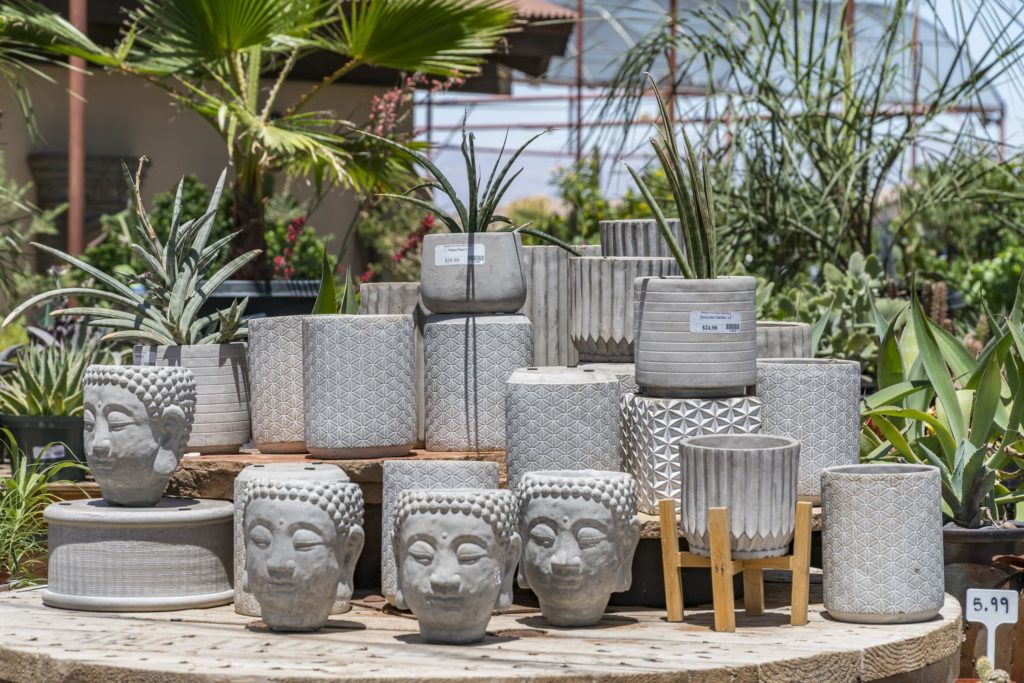
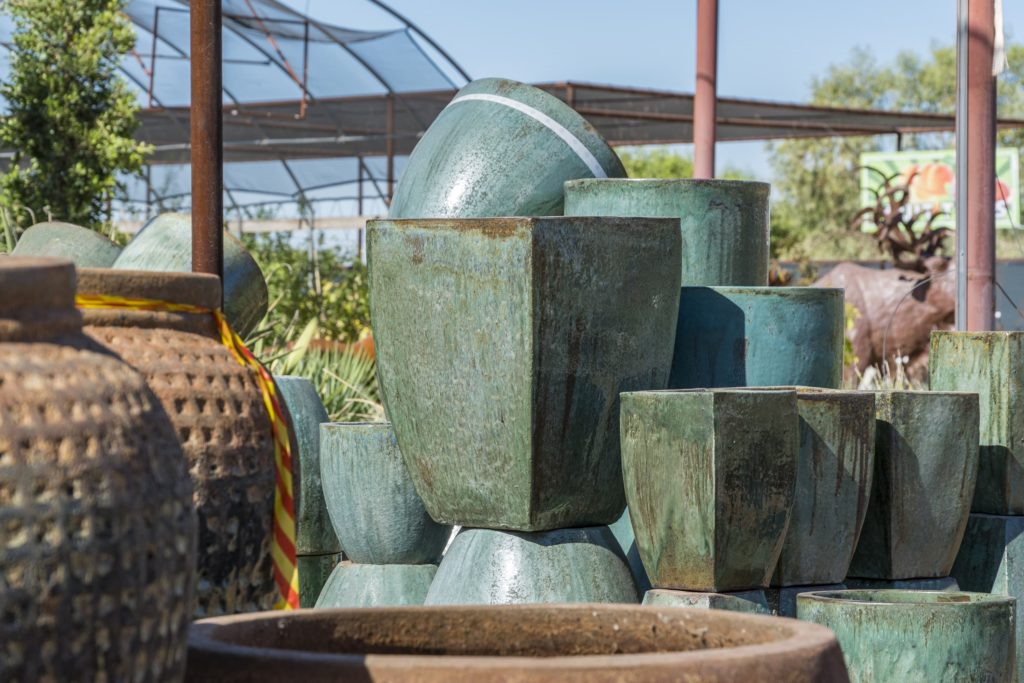
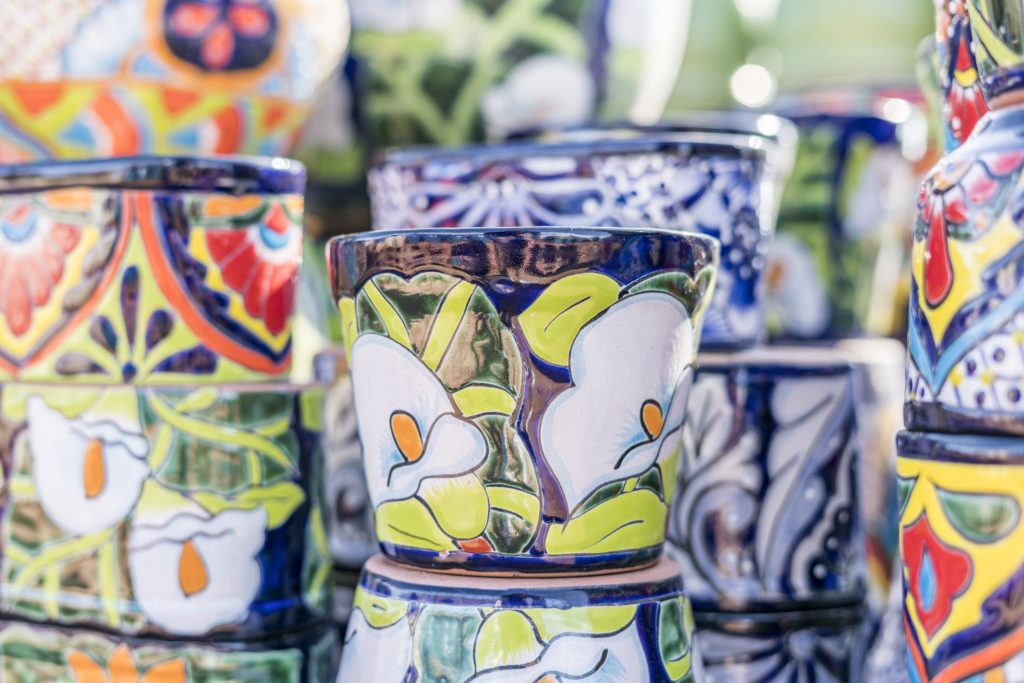
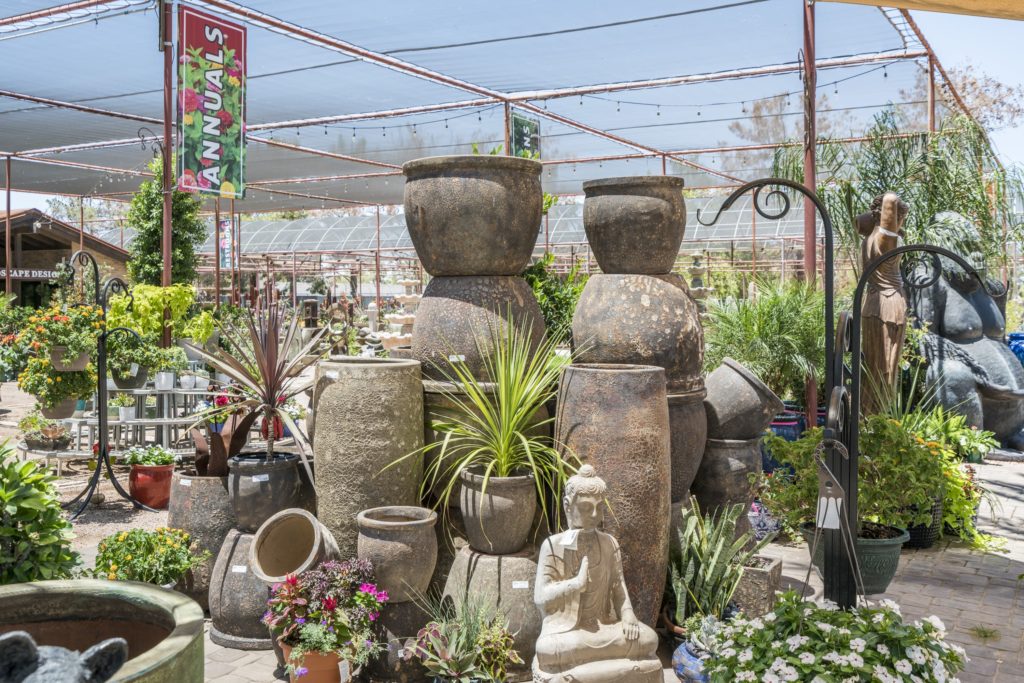
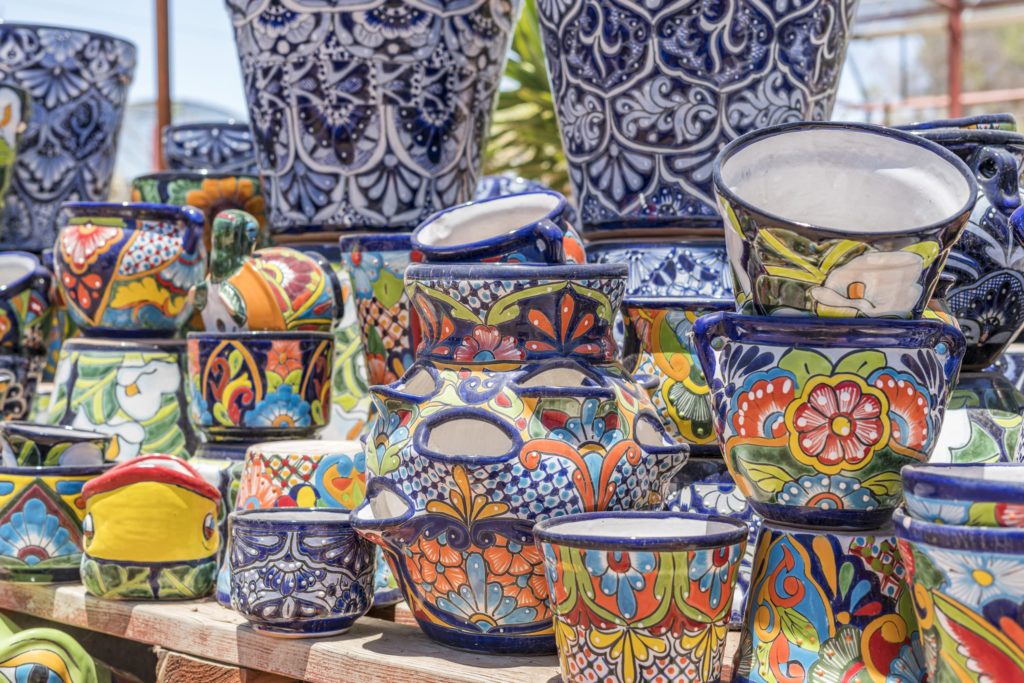
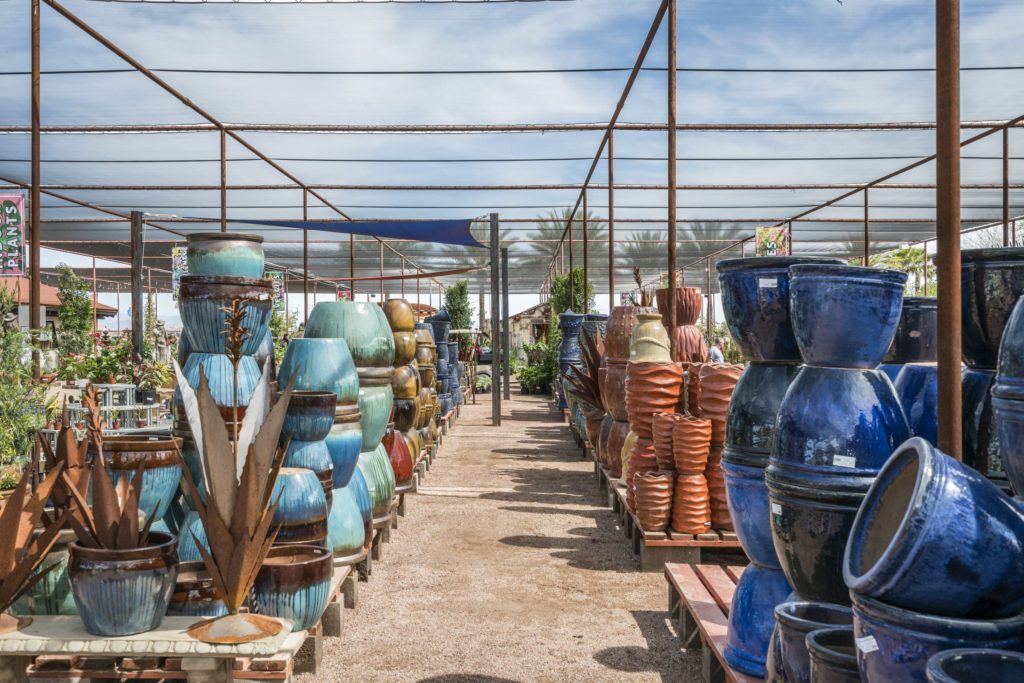
Annuals succeed or fail on what’s under them. We stock planting mix and compost for beds, potting mix for containers, bloom fertilizers including Tony’s Magic Mix and Magic Flower, starter fertilizer, drip fittings and frost cloth for the cold nights. The pottery yard has glazed and terracotta pots from 4-inch to whiskey-barrel size, window boxes and hanging baskets, and soil and mulch is sold by the bag or by the yard.
Mid-October through March. It looks its best through the cool season and usually rots in summer humidity.
Not enough sun. Move it, or plant it in full sun next time; the silver felt develops in bright light.
Every four to five days in beds and two to three in pots through winter, letting the surface dry between. It dislikes wet feet.
No — cut the yellow flower stalks off as they appear in spring. They spoil the shape and weaken the foliage.
Sometimes, in a dry, sunny, well-drained spot. Most plants rot in monsoon humidity and are replanted in fall.
No — it is toxic if eaten in quantity. Plant it where pets don’t graze.
Dusty Miller live on the annuals tables; any staff member can point you to them. Locally owned, and a short drive from San Tan Valley, Gilbert, Chandler and Mesa.