

Fringed, clove-scented flowers on blue-green mounds: ‘Floral Lace’, ‘Telstar’, ‘Ideal’ and ‘Coronet’ for beds, and the taller ‘Sweet’ and ‘Amazon’ series for cutting. Plant October through March; drainage is everything.
Bedding dianthus — the pinks — are among the toughest cool-season flowers we sell: neat mounds of gray-green foliage covered in fringed single flowers in white, pink, crimson, purple and bicolors, frost-proof, and blooming from a fall planting through May. The taller ‘Sweet’ and ‘Amazon’ types are Sweet William hybrids for cutting. All of them ask for one thing in Queen Creek: sharp drainage, because crown rot in wet soil is how dianthus dies here.
We commonly carry eleven — the ‘Floral Lace’ series in five colors, ‘Telstar’, ‘Ideal’ and ‘Coronet’ mixes, and ‘Sweet Mix’, ‘Sweet Rose Magic Bouquet’ and ‘Amazon Neon Duo’ for cutting. The rest of the color tables are on our Annual Flowers & Foliage page.

These are the dianthus varieties we commonly carry. Availability changes week to week and season to season, so call (480) 987-3308 or stop in to see what’s on the bench today.
8–12 inches
Large, deeply fringed flowers on compact 10-inch plants, very free-flowering and heat-tolerant into May. Mixed colors.
‘Floral Lace’ in cherry red.
‘Floral Lace’ in deep crimson.
‘Floral Lace’ in violet-purple.
‘Floral Lace’ in white with a fringed edge.
The classic early, compact bedding dianthus at 8–10 inches, in mixed solids and picotees.
A vigorous, weather-tolerant series with larger flowers in a wide mix.
Compact plants with extra-large, flat flowers in bright bicolors.
18–24 inches
A Sweet William hybrid with clustered flower heads on 18-inch stems, first-year flowering, fragrant, for cutting.
‘Sweet’ whose flowers open white and age through pink to rose, so one head carries three shades.
A tall (24-inch) hybrid with domed clusters in neon cherry and purple, bred for the cut-flower trade and heat-tolerant.
Looking for one that isn’t listed? Ask — we can usually suggest a close match or tell you when it tends to come around.
The care tag was written somewhere else. This is the Queen Creek version.
Set out from mid-October through March. Fall plantings bloom from November to May; spring plantings from March to June. Dianthus takes frost to the low 20s. It stalls in the heat of June, though ‘Floral Lace’ and ‘Amazon’ often carry into July with afternoon shade and sometimes survive to bloom again in fall.
Dianthus dies of crown rot in wet soil. Plant in beds amended with compost and raised a few inches, or in pots with a gritty potting mix, and never bury the crown — set it slightly high. Water every three to four days in beds and two to three in pots, weekly in the coldest weeks, and let the surface dry between. Mulch with gravel rather than bark around the crown.
Unlike calibrachoa and petunia, dianthus prefers our alkaline, calcium-rich soil and rarely shows iron deficiency. No acid fertilizer needed.
Full sun through the cool months; afternoon shade from May extends the season. In winter shade the mounds open up and flower little.
When the first flush fades, shear the whole mound back by a third with hedge shears; new buds follow within two to three weeks. Repeat through spring. Feed a bloom fertilizer at planting and after each shearing.
Aphids on buds in warm spells; hose them off. Spider mites in late spring heat. Slugs after rain, rarely a problem. Dianthus is mildly toxic to cats and dogs if eaten in quantity.
Snap a photo of the spot — sun direction, wall color, pot size — and we’ll pick a season-correct combination with you. Advice is free.
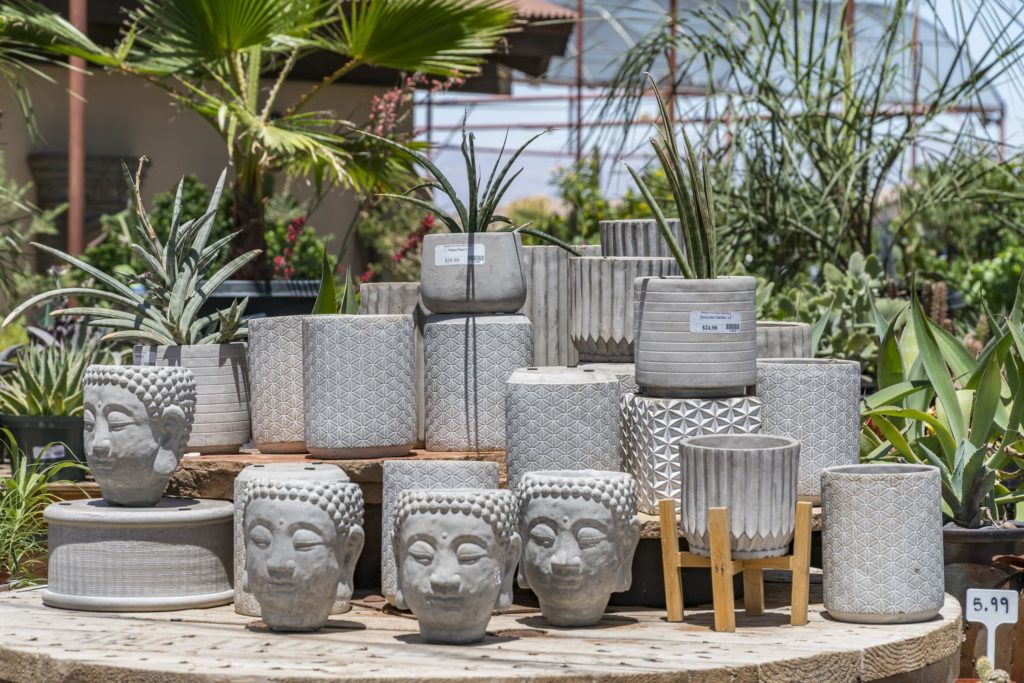
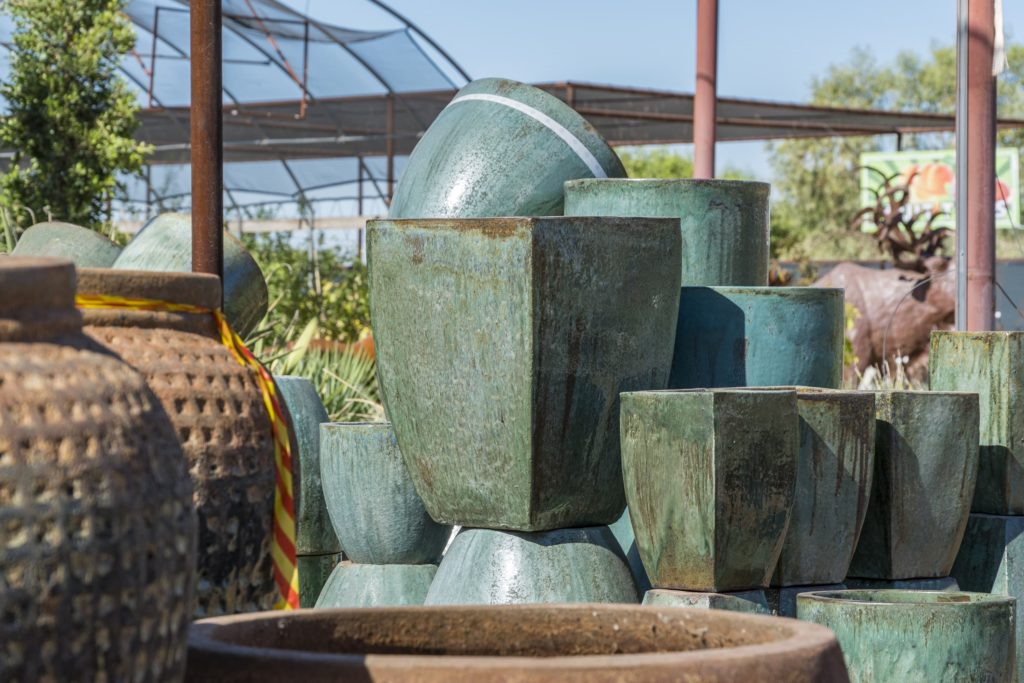
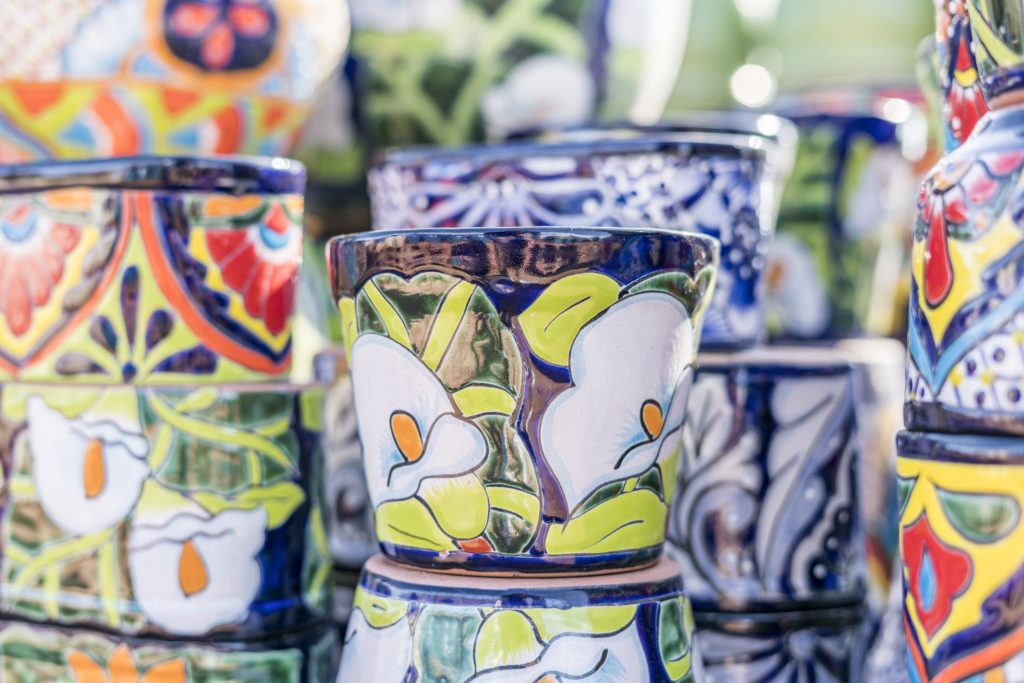
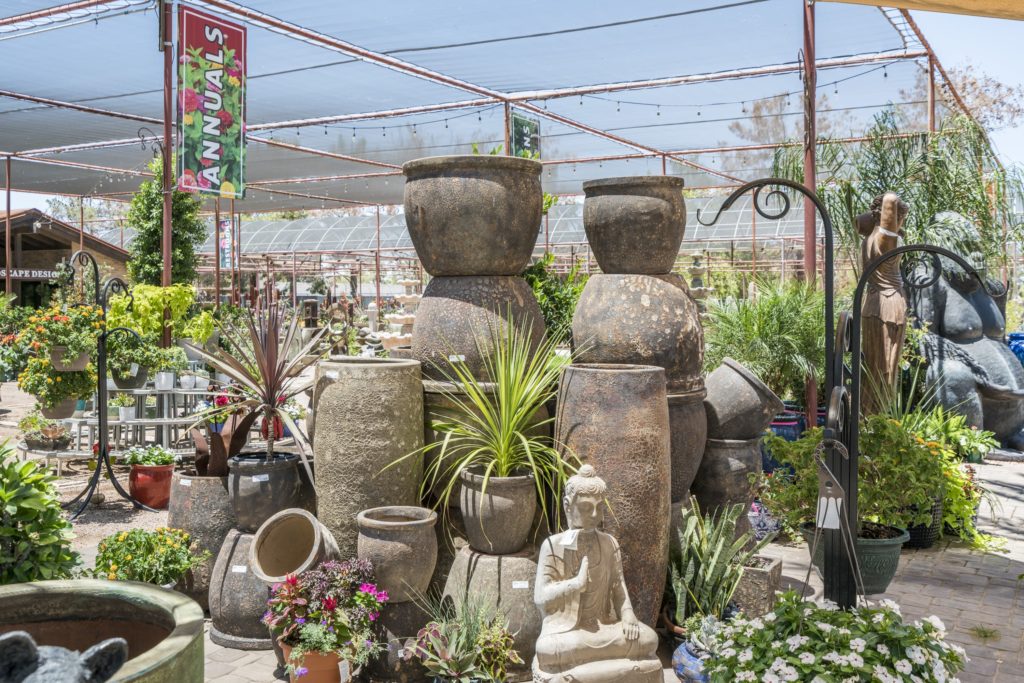
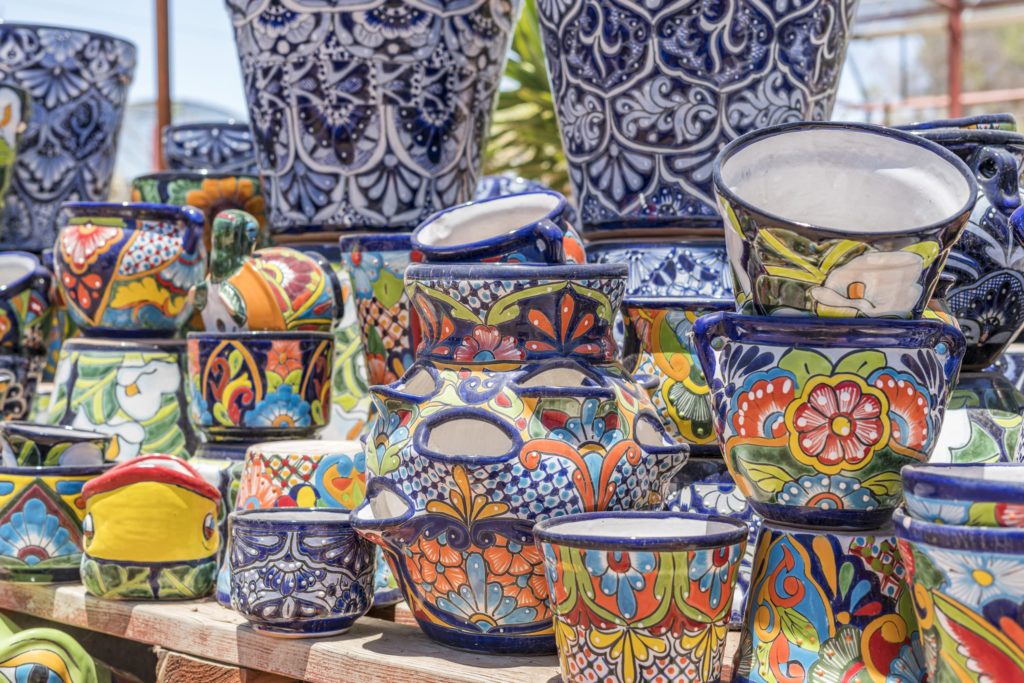
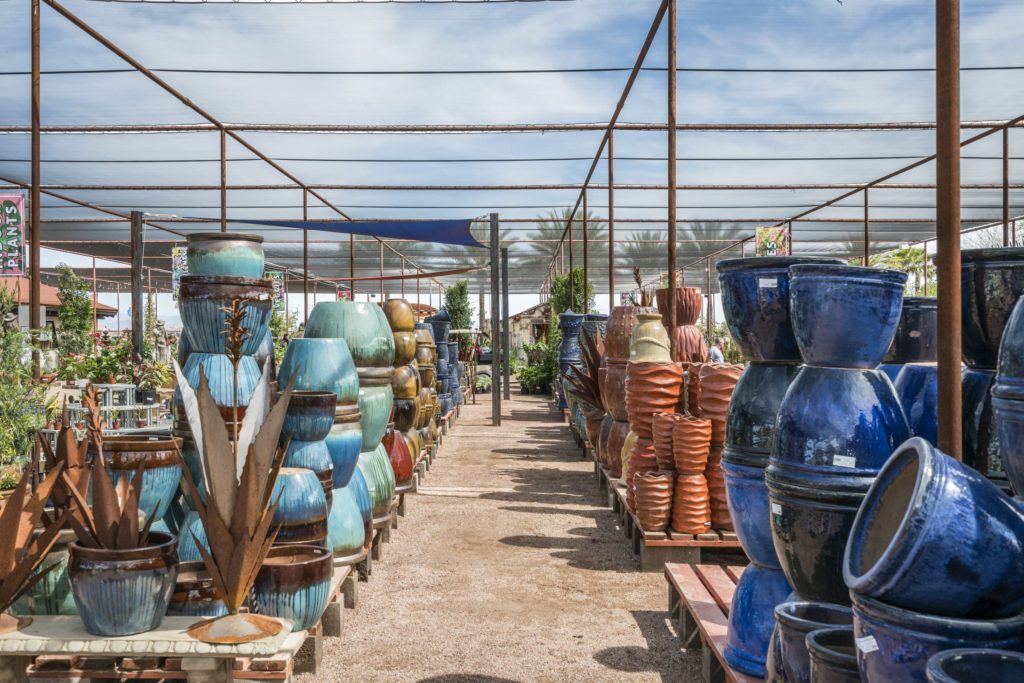
Annuals succeed or fail on what’s under them. We stock planting mix and compost for beds, potting mix for containers, bloom fertilizers including Tony’s Magic Mix and Magic Flower, starter fertilizer, drip fittings and frost cloth for the cold nights. The pottery yard has glazed and terracotta pots from 4-inch to whiskey-barrel size, window boxes and hanging baskets, and soil and mulch is sold by the bag or by the yard.
Mid-October through March. It blooms through winter and spring and often into early summer with afternoon shade.
Crown rot from wet soil — the main way dianthus dies here. Plant high in raised, well-drained soil, water less often, and mulch with gravel rather than bark.
Yes, to the low 20s. No cover needed.
Shear the mound back by a third after each flush and feed a bloom fertilizer. New buds follow in two to three weeks.
Some do, especially ‘Floral Lace’ and ‘Amazon’ types, with afternoon shade and careful watering. Most are treated as cool-season annuals and replanted in fall.
Mildly toxic to cats and dogs if eaten in quantity; usually ignored by them.
Dianthus live on the annuals tables; any staff member can point you to them. Locally owned, and a short drive from San Tan Valley, Gilbert, Chandler and Mesa.