

‘Delphina Pink White Bee’ — a compact perennial delphinium grown as spring color in the low desert. Plant in fall or late winter, enjoy the spires in March and April, and don’t expect it to summer over.
True delphiniums are plants of cool summers, and in Queen Creek they are grown for a single spring: set out in fall or late winter, they push up dense spikes of spurred flowers in March and April — ‘Delphina Pink White Bee’ in soft pink with a white center — and then decline in the heat. ‘Delphina’ is a dwarf series, around two feet, that stands without staking and suits a pot or the middle of a border. Treat it as a spring annual and it is a joy; treat it as a perennial and it will disappoint.
All parts are toxic to people, pets and livestock. The rest of the color tables are on our Annual Flowers & Foliage page.

This is the delphinium we commonly carry. Availability changes week to week and season to season, so call (480) 987-3308 or stop in to see what’s on the bench today.
Delphinium ‘Delphina Pink White Bee’: a compact first-year-flowering delphinium to 24 inches with dense pink spikes centerd white. Blooms March–April.
Looking for one that isn’t listed? Ask — we can usually suggest a close match or tell you when it tends to come around.
The care tag was written somewhere else. This is the Queen Creek version.
Set out from mid-October through February. Fall plantings develop a strong crown and flower in March and April; February plantings of larger plants flower a few weeks later. It declines in May heat. Frost-hardy.
Rich, well-drained soil with compost, or a quality potting mix. Water every two to three days as the spikes rise, at the base — delphiniums are thirsty in flower and prone to crown rot if the base stays wet. Mulch, keeping it clear of the crown.
Cut the main spike back to the foliage when it fades and side spikes follow in two to three weeks, until the heat ends the show. Pull the plant in June, or try summering it in afternoon shade with sparing water — rarely successful here.
Full sun through winter; afternoon shade from April lengthens the bloom. It flops toward the light in shade.
A balanced fertilizer at planting and a bloom fertilizer every two weeks once spikes appear. ‘Delphina’ usually stands on its own; a single stake helps in a windy spot.
All parts of delphinium are toxic to people, pets and livestock; plant it away from the vegetable garden and out of reach, and wash hands after handling. Aphids on buds, slugs after rain, powdery mildew at the end of the season.
Snap a photo of the spot — sun direction, wall color, pot size — and we’ll pick a season-correct combination with you. Advice is free.
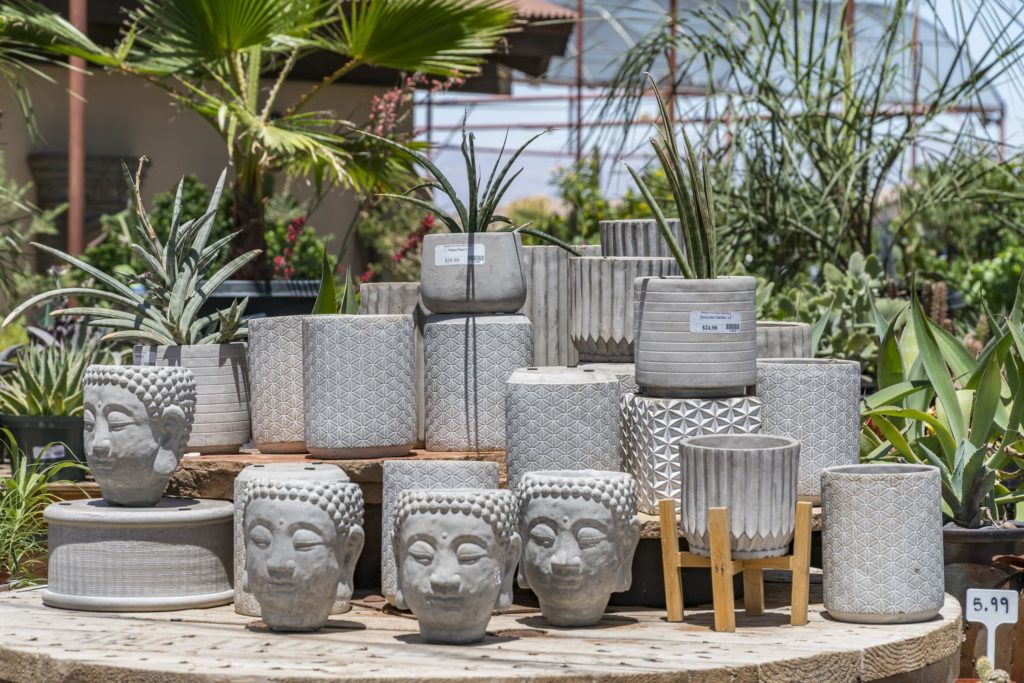
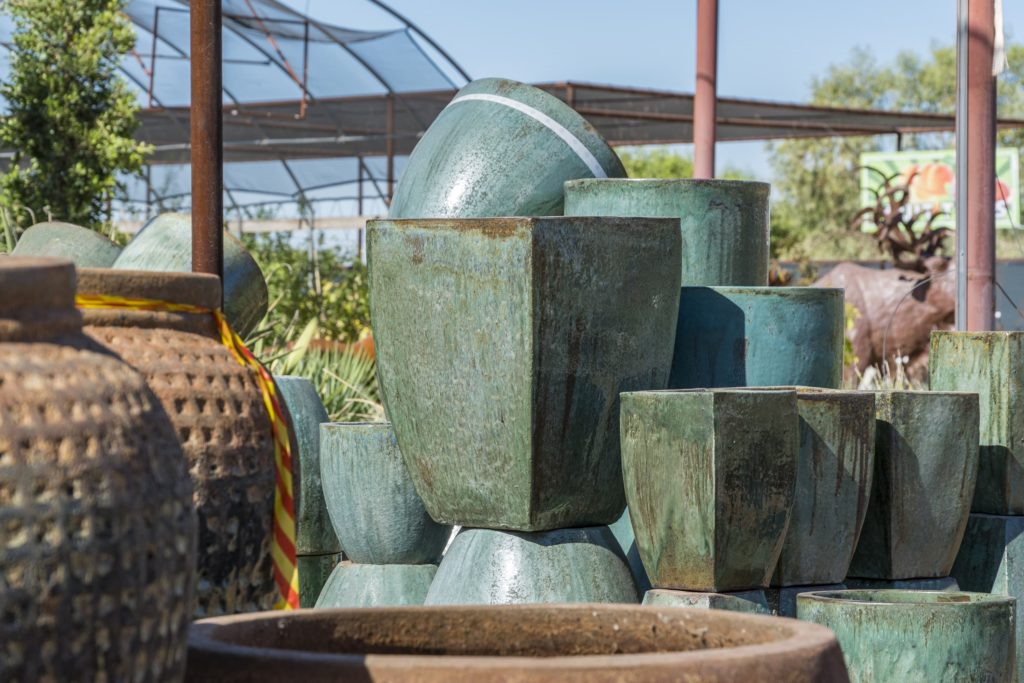
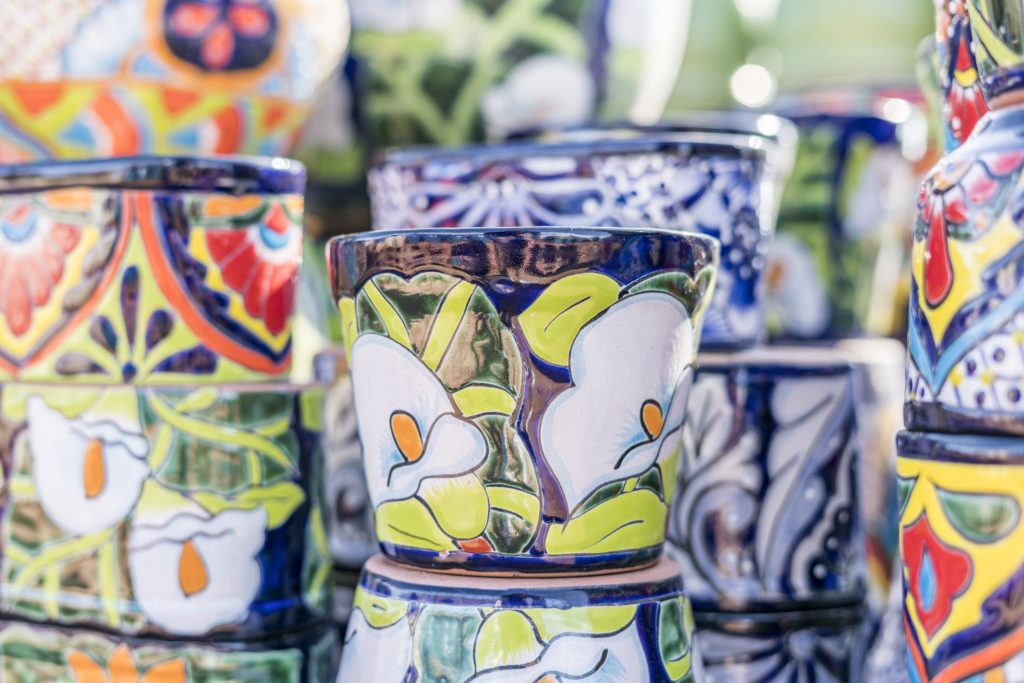
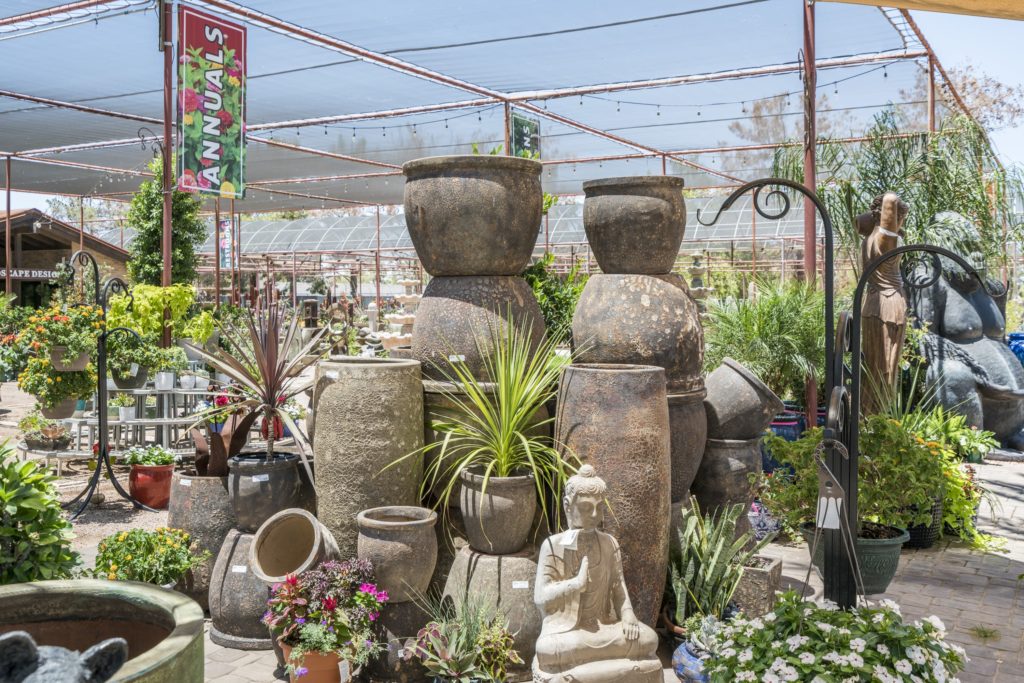
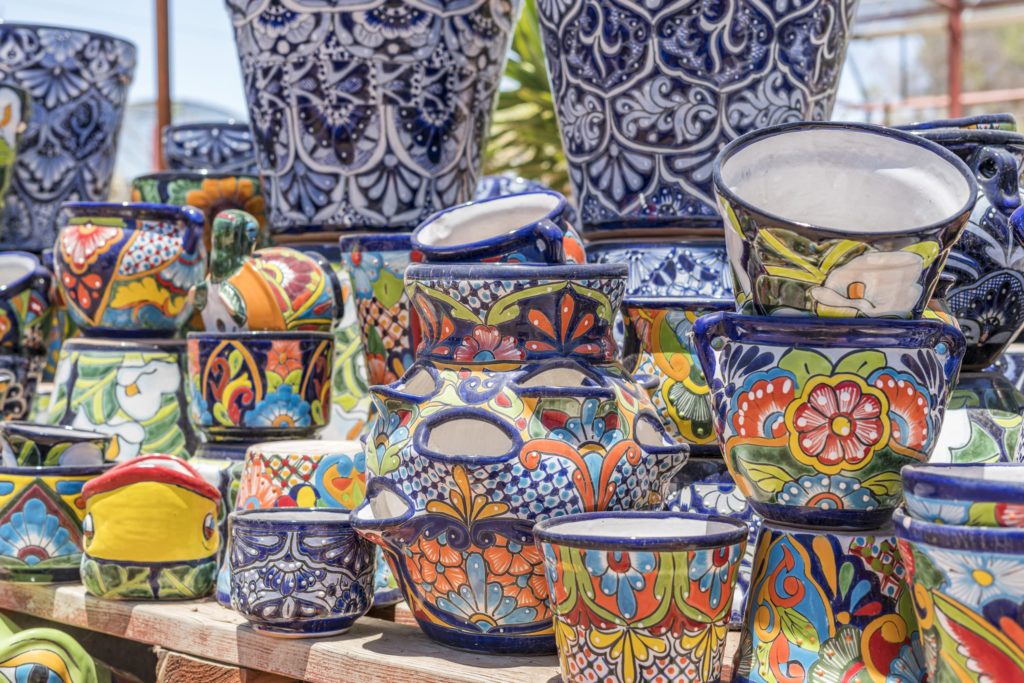
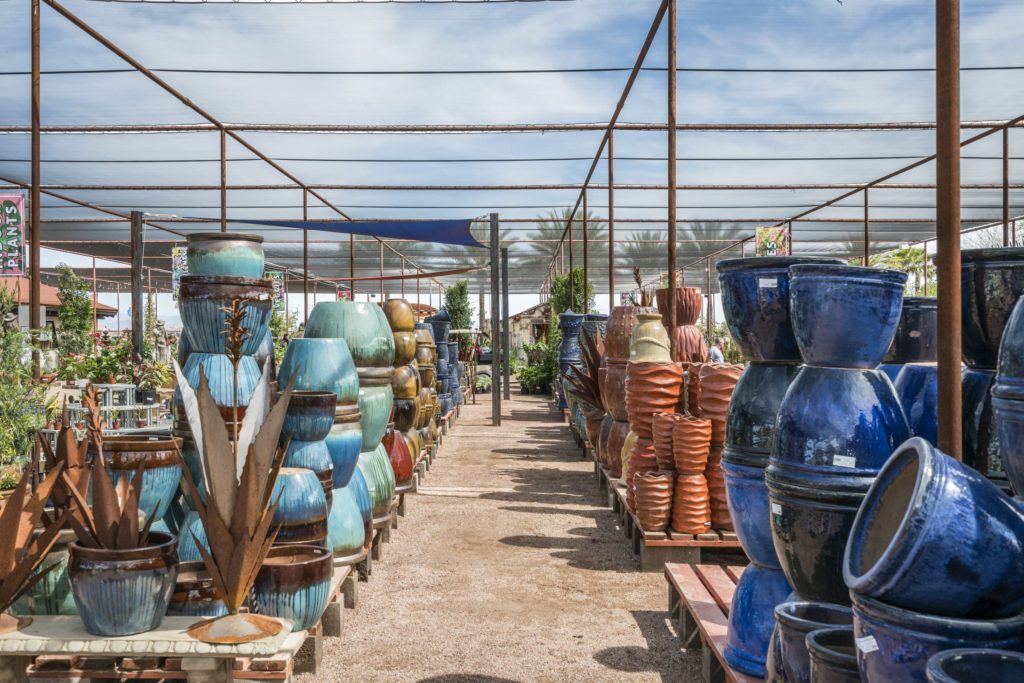
Annuals succeed or fail on what’s under them. We stock planting mix and compost for beds, potting mix for containers, bloom fertilizers including Tony’s Magic Mix and Magic Flower, starter fertilizer, drip fittings and frost cloth for the cold nights. The pottery yard has glazed and terracotta pots from 4-inch to whiskey-barrel size, window boxes and hanging baskets, and soil and mulch is sold by the bag or by the yard.
As spring color, yes — planted in fall or late winter and flowering in March and April. They do not survive our summers reliably.
Yes, all parts, to people and pets. Keep it away from children, dogs and the vegetable bed.
Every two to three days while it is growing and flowering, at the base, in well-drained soil.
Cut the spent spike back to the foliage and side spikes follow within a few weeks, until the heat arrives.
‘Delphina’ is a dwarf and usually stands alone. Stake in a windy spot.
Rarely. Afternoon shade and sparing water give it a chance; most plants are replaced in fall.
Delphinium live on the annuals tables; any staff member can point you to them. Locally owned, and a short drive from San Tan Valley, Gilbert, Chandler and Mesa.