

Foliage color for shade from spring to frost: ‘Kong Mosaic’, ‘Stained Glassworks Crown Jewel’, ‘Terrascape Mojave Sunrise’, ‘Vino’, ‘Wasabi’ and ‘Volcanica Solar Flare’. Even the “sun” series want afternoon shade in the Valley.
Coleus gives you burgundy, lime, copper, near-black and stained-glass patterns in the one place a summer garden here is short of color — the shade. The modern series are bigger, more heat-tolerant and slower to flower than the old bedding types, and a single plant fills a large pot or a two-foot square of bed by June. In the low desert they are a spring-to-frost plant, and the tag that says “sun coleus” was written somewhere with a gentler afternoon.
We commonly carry six: giant-leaved ‘Kong Mosaic’, the painted ‘Stained Glassworks Crown Jewel’, ‘Terrascape Mojave Sunrise’, deep wine ‘Vino’, chartreuse ‘Wasabi’ and the fiery ‘Volcanica Solar Flare’. Coleus is toxic to pets if eaten. The rest of the color tables are on our Annual Flowers & Foliage page.

These are the coleus varieties we commonly carry. Availability changes week to week and season to season, so call (480) 987-3308 or stop in to see what’s on the bench today.
The ‘Kong’ series has leaves up to eight inches across; ‘Mosaic’ is speckled and splashed in red, cream and green. Needs real shade and steady water.
A vigorous upright coleus with leaves painted in rose, purple and lime like leaded glass. Tolerates morning sun.
A heat-tolerant, sun-bred series in warm copper, orange and gold — still afternoon shade here, but the best choice for a brighter spot.
Deep burgundy-black leaves with a fine lime edge on a full, mounding plant. The darkest foliage in the shade garden.
A compact, self-branching series in flame orange and red with a dark center, slow to flower.
Electric chartreuse, deeply serrated leaves on a big, vigorous plant — the one that lights up a dark corner.
Looking for one that isn’t listed? Ask — we can usually suggest a close match or tell you when it tends to come around.
The care tag was written somewhere else. This is the Queen Creek version.
Set out after the last frost, from mid-March, through September. Spring plantings color up through summer and go down at the first frost in late November; a September planting gives ten weeks of fall color. Coleus has no frost tolerance.
Coleus wilts dramatically when dry and recovers if caught the same day, but repeated wilting browns the leaf edges. Water every two days in beds and daily in pots from May through September, every three to four days in spring and fall, in a rich, moisture-retentive mix. Mulch beds.
Rich soil with compost or a quality potting mix; a balanced fertilizer at half strength every two to three weeks. Too much nitrogen dulls the leaf color. Repot into 14-inch or larger containers.
Morning sun and afternoon shade, or bright shade all day. Full sun in the low desert bleaches and scorches every series, including the ones sold as sun-tolerant — those simply take a little more morning sun. A north or east exposure, under a tree, or a covered patio.
Coleus tries to flower in summer, sending up blue spikes that stop leaf production and make the plant leggy. Pinch the spikes out as they form, along with the top pair of leaves, every week or two. The plant branches and stays full. Newer series flower late, but all flower eventually.
Mealybugs and whiteflies in a crowded patio corner; spider mites in dry heat — hose the undersides and use insecticidal soap. The first frost blackens coleus overnight; take cuttings in October to overwinter on a windowsill. Toxic to cats and dogs if eaten.
Snap a photo of the spot — sun direction, wall color, pot size — and we’ll pick a season-correct combination with you. Advice is free.
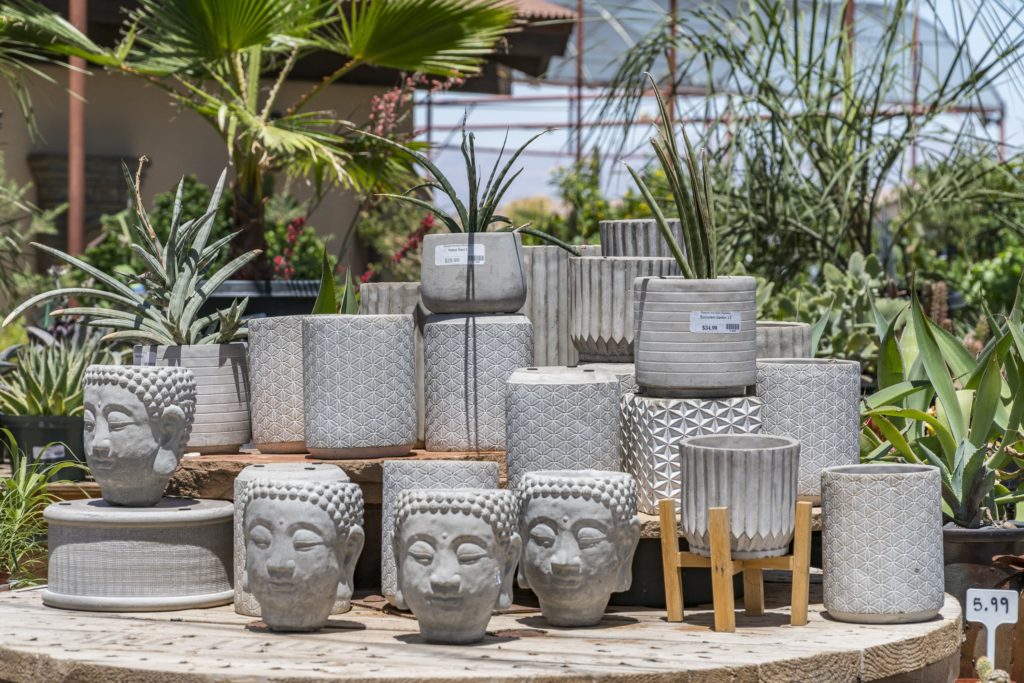
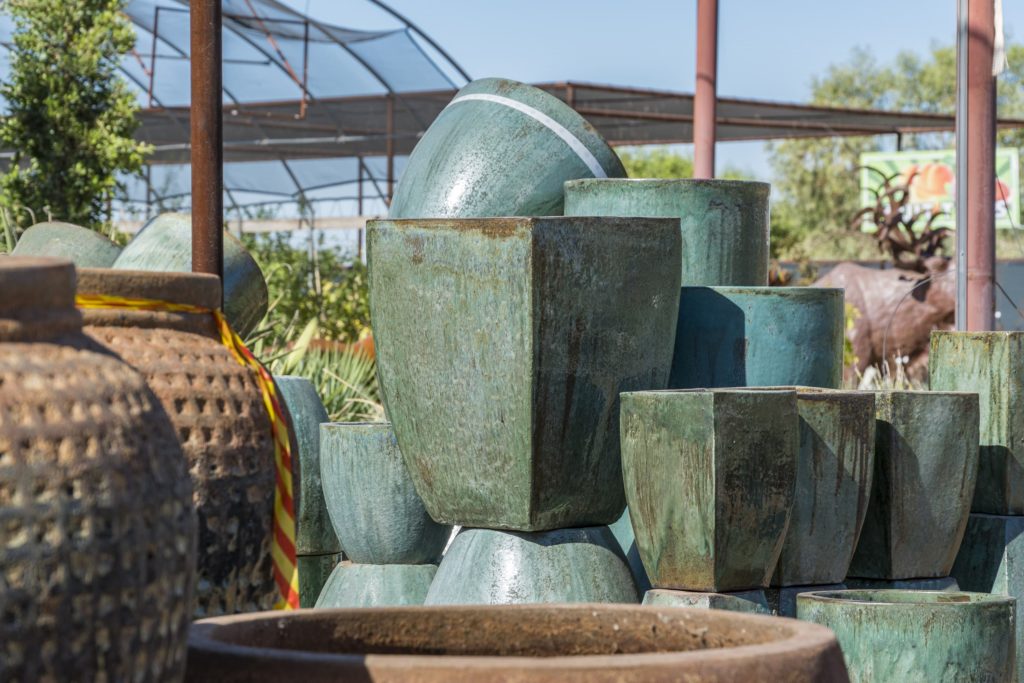
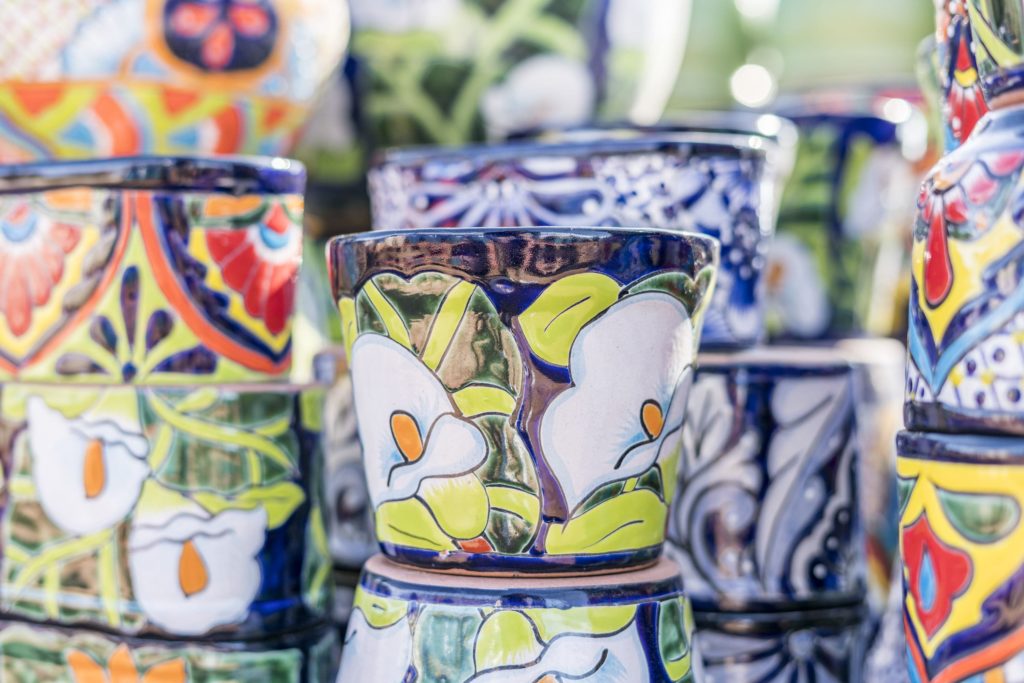
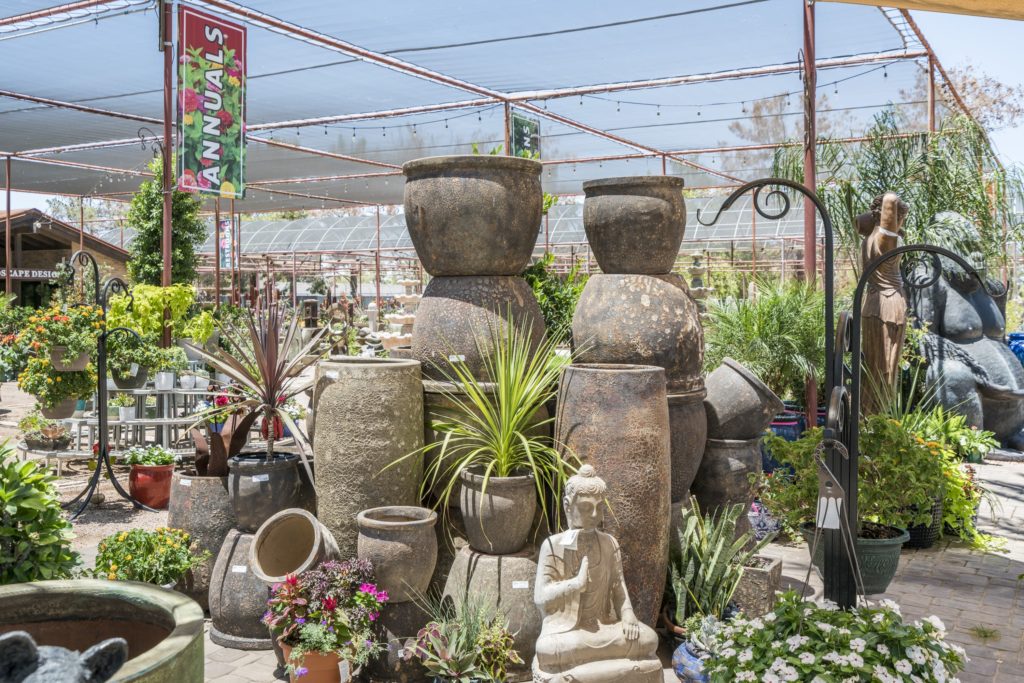
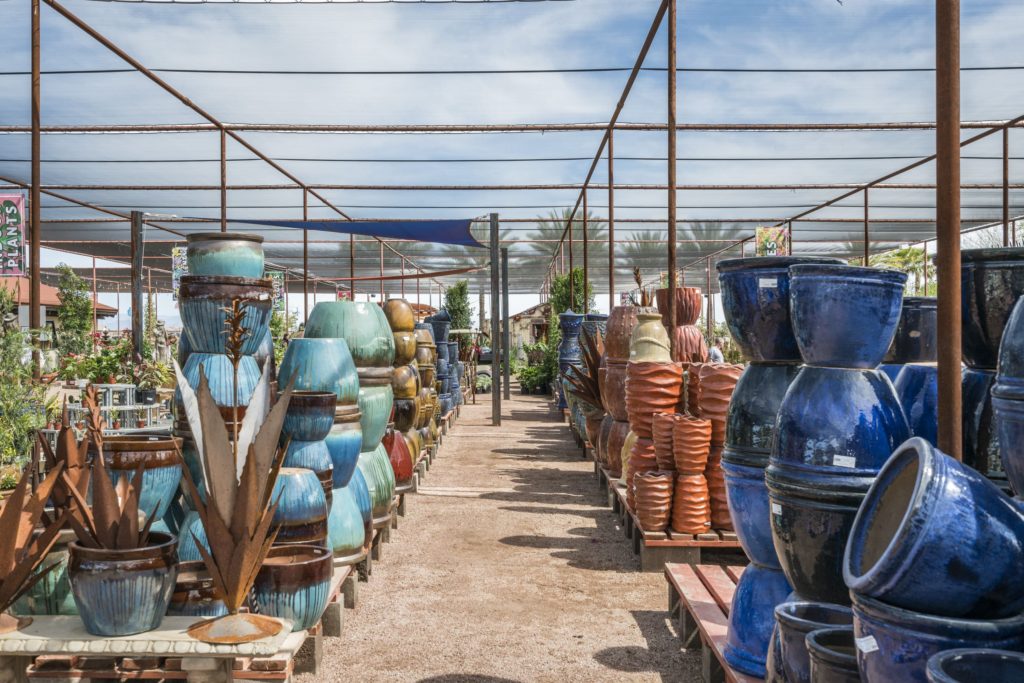
Annuals succeed or fail on what’s under them. We stock planting mix and compost for beds, potting mix for containers, bloom fertilizers including Tony’s Magic Mix and Magic Flower, starter fertilizer, drip fittings and frost cloth for the cold nights. The pottery yard has glazed and terracotta pots from 4-inch to whiskey-barrel size, window boxes and hanging baskets, and soil and mulch is sold by the bag or by the yard.

No. Even “sun” series need afternoon shade in the low desert; full sun bleaches and scorches them. Morning sun and afternoon shade is the rule.
From mid-March, after the last frost, through September. It is killed by the first frost in late November.
Daily for pots and every two days in beds through summer, every three to four days in spring and fall. It wilts fast when dry.
It is flowering, which stops leaf production. Pinch the flower spikes and the top leaves out every week or two to keep it bushy.
Take stem cuttings in October — they root in water in a week — and grow them on a bright windowsill. Plant them out in March.
No — coleus is toxic to cats and dogs if eaten.
Coleus live on the annuals tables; any staff member can point you to them. Locally owned, and a short drive from San Tan Valley, Gilbert, Chandler and Mesa.