Moderate water; irrigate deeply when the top 1–2 inches of soil dry. Needs more frequent watering during hot weather and is not a low-water desert plant.
Size
1-3 ft tall × 1-2 ft wide
Habit
Perennial clump
Toxicity
Non-toxic
Description
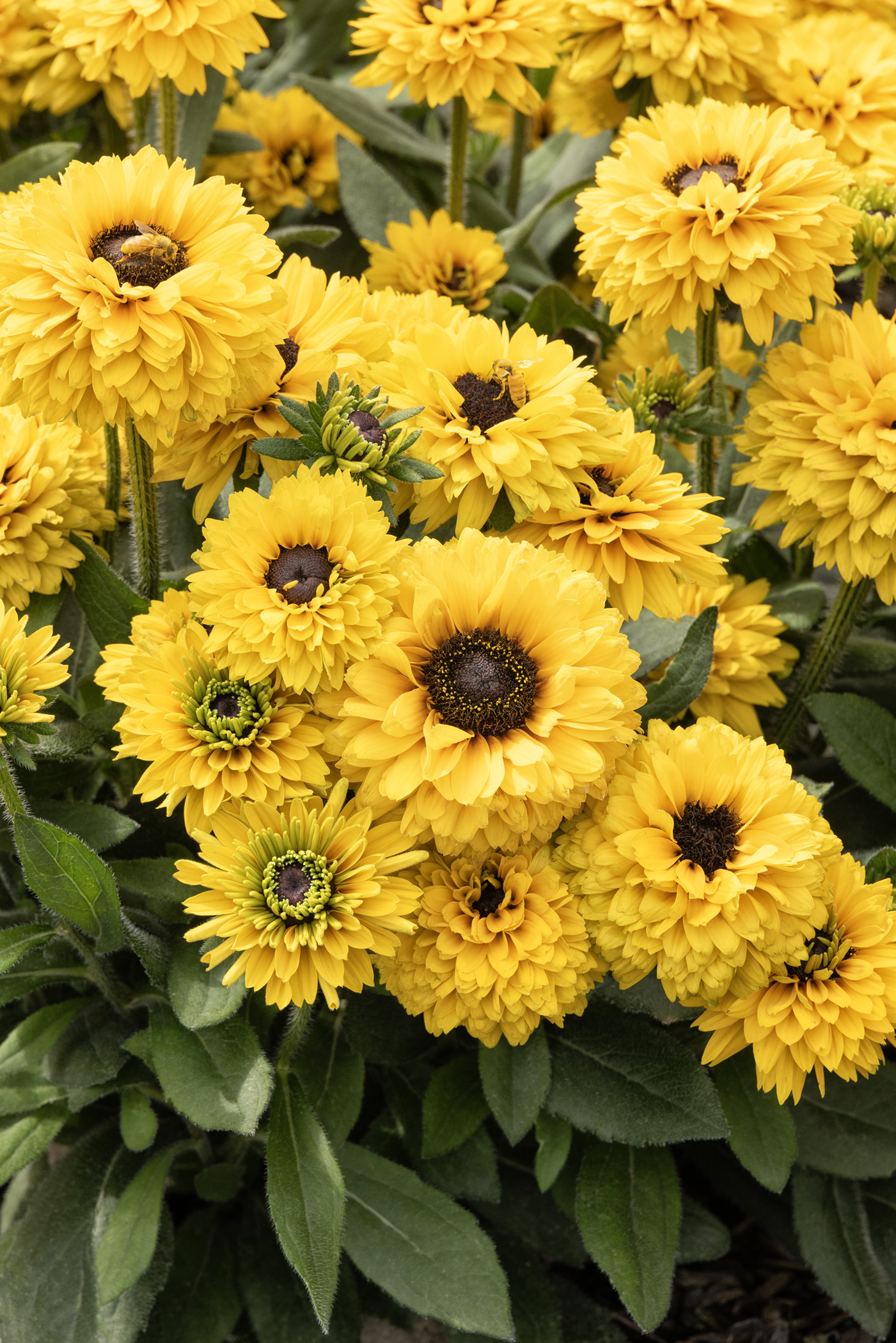
A cheerful, short-lived wildflower with rough, hairy leaves and golden daisy-like blooms surrounding dark centers. Often grown as a seasonal annual in Phoenix because extreme summer heat can shorten its life.
Light: Morning sun with afternoon shade is best in Phoenix; avoid intense reflected heat from walls and pavement.
Water: Moderate water; irrigate deeply when the top 1–2 inches of soil dry. Needs more frequent watering during hot weather and is not a low-water desert plant.
Soil: Well-drained soil enriched with compost; tolerates sandy or loamy soil. Avoid persistently wet soil and compacted clay.
Mature size: Usually 1–3 feet tall and 1–2 feet wide; compact cultivars remain smaller.
Bloom: Typically spring through early summer in Phoenix, with possible fall rebloom if plants survive summer. Deadhead to encourage continued flowering.
Evergreen / deciduous: Herbaceous annual, biennial, or short-lived perennial; not reliably evergreen. Often treated as an annual in Phoenix.
Growth rate: Fast; can flower in its first season from seed.