

‘Bee Giant Yellow’ — golden daisies on a trailing plant that spills from baskets and pots from spring into early summer, and again from a fall planting until frost. Full sun and regular water.
Bidens is the trailing yellow daisy in every good spring basket: ferny foliage, a constant froth of golden star flowers, and a habit that mounds and then cascades a foot or more over the rim. It takes full sun, tolerates wind, and blooms harder than almost anything else in April and May. In the low desert it fades in the worst of summer and comes back into its own from a fall planting.
We commonly carry ‘Bee Giant Yellow’, a large-flowered selection. Pair it with blue lobelia or purple calibrachoa for the classic contrast. The rest of the color tables are on our Annual Flowers & Foliage page.

This is the bidens we commonly carry. Availability changes week to week and season to season, so call (480) 987-3308 or stop in to see what’s on the bench today.
Extra-large golden daisies, up to two inches, on a vigorous mounding-trailing plant to 18 inches across. Self-cleaning.
Looking for one that isn’t listed? Ask — we can usually suggest a close match or tell you when it tends to come around.
The care tag was written somewhere else. This is the Queen Creek version.
Set out from mid-February through April, after frost, for bloom from March into June; and again in September or October for bloom until frost and, in a mild winter, straight through to spring. It thins out in the heat of July and August; cut it back and it often recovers in September.
Every two to three days in beds and daily in baskets and pots from April; every three to four days in the cool months. It tolerates a brief dry spell better than most basket plants but flowers best with steady moisture. Good drainage; it dislikes soggy soil.
Self-cleaning, so no deadheading. When it thins in the center or gets leggy — usually by June — shear it back by a third and feed; it refills in two to three weeks if the weather allows.
Full sun — bidens flowers on light and goes sparse in shade. Afternoon shade from June helps it survive summer but reduces bloom.
A quality potting mix in a basket or pot with drainage, or a well-drained amended bed. Move it into a 12-inch or larger container. A bloom fertilizer at half strength every two weeks; it is a hungry, fast plant.
Aphids and whiteflies occasionally; hose them off. Frost blackens it; in a mild winter it survives under a patio roof. Non-toxic to cats and dogs.
Snap a photo of the spot — sun direction, wall color, pot size — and we’ll pick a season-correct combination with you. Advice is free.
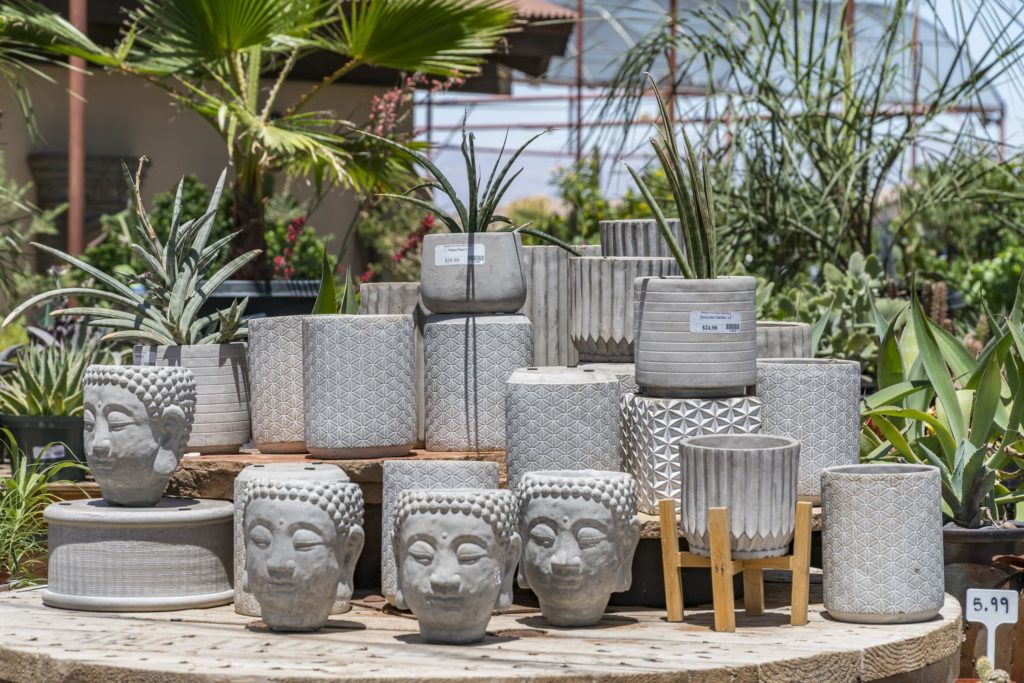
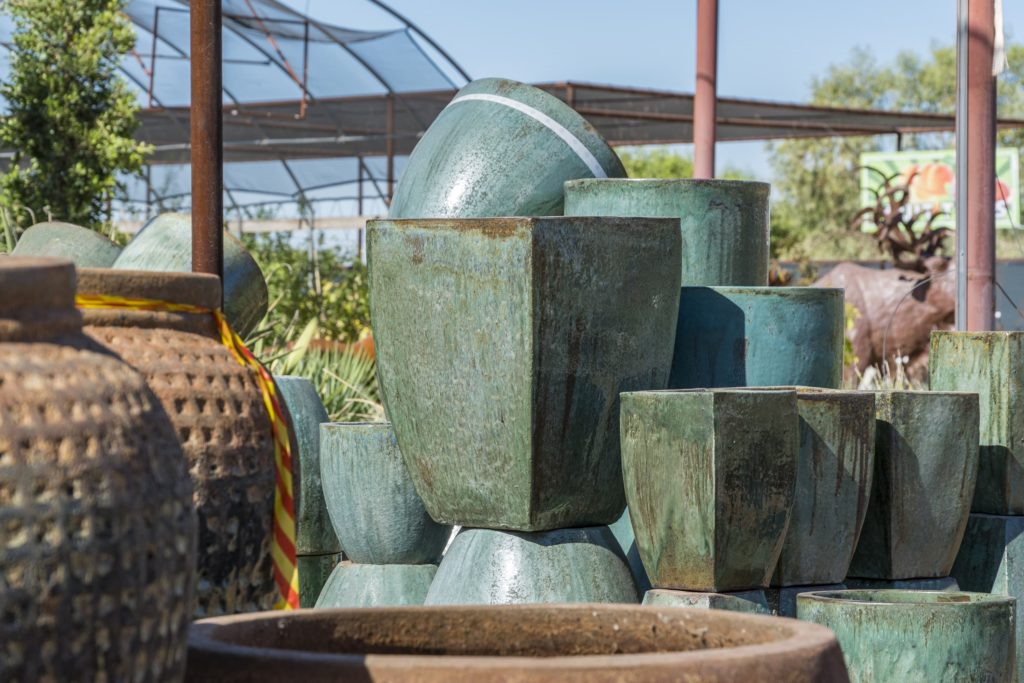
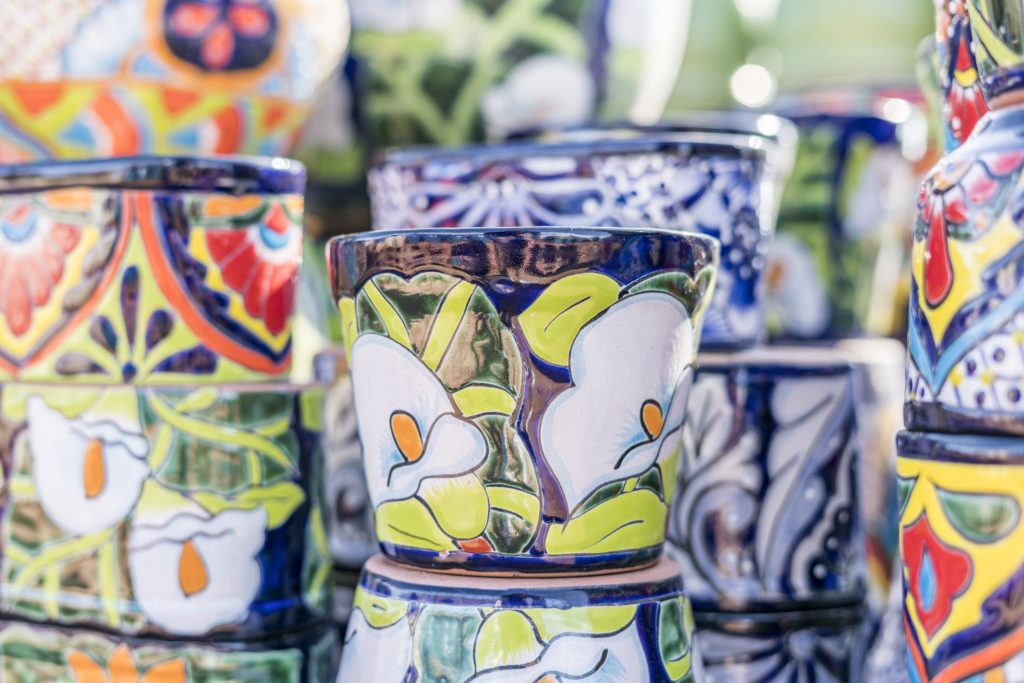
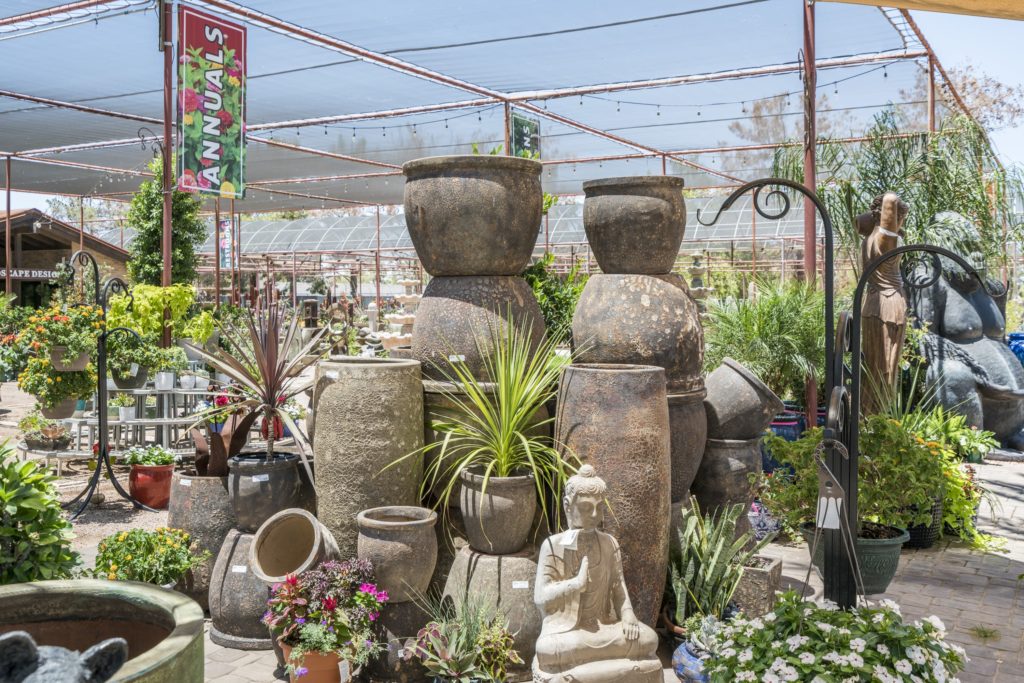
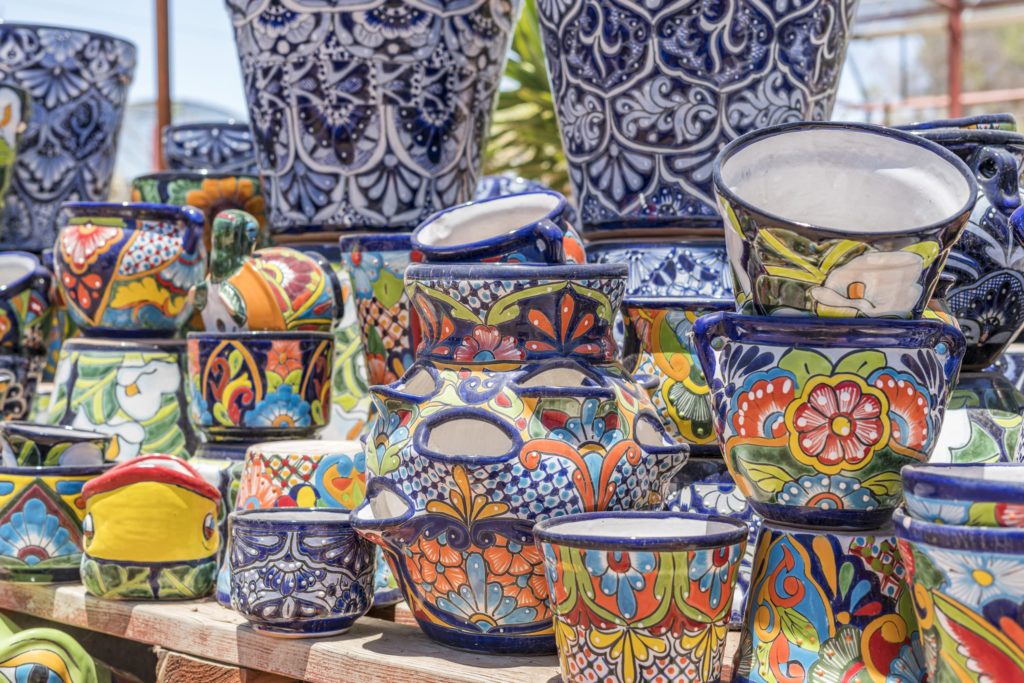
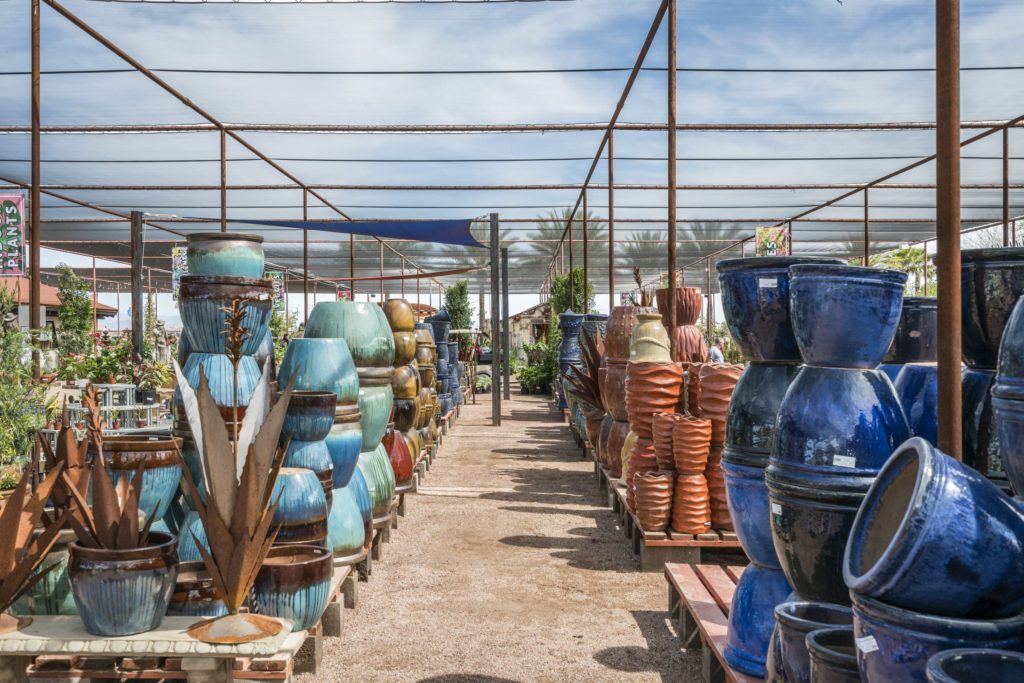
Annuals succeed or fail on what’s under them. We stock planting mix and compost for beds, potting mix for containers, bloom fertilizers including Tony’s Magic Mix and Magic Flower, starter fertilizer, drip fittings and frost cloth for the cold nights. The pottery yard has glazed and terracotta pots from 4-inch to whiskey-barrel size, window boxes and hanging baskets, and soil and mulch is sold by the bag or by the yard.
Mid-February through April, and again in September or October. It fades in midsummer heat.
Daily in baskets and pots from April, every two to three days in beds, less in the cool months.
No — it is self-cleaning. Shear it back by a third when it gets leggy.
Yes, and it prefers it. Afternoon shade only helps in the worst of summer.
Sometimes, cut back and shaded. Most people replace it in June and replant in fall.
Yes, non-toxic to cats and dogs.
Bidens live on the annuals tables; any staff member can point you to them. Locally owned, and a short drive from San Tan Valley, Gilbert, Chandler and Mesa.