Native Arizona plants that replace gravel include brittlebush, desert marigold, globe mallow, desert willow and velvet mesquite. Planted in beds where rock used to be, they shade the soil, feed pollinators and need far less care once established.
Key takeaways
- The best planting windows in the East Valley are October to November and February to March.
- Plan on deep watering every 7 to 10 days through the first summer, then taper off in years two and three.
- Remove gravel and landscape fabric only where plants will go, and keep the rest as a ground cover.
- Skip rich amendments and bark mulch. A 2 to 3 inch layer of decomposed granite works better.
- Sacred datura is poisonous if eaten, so keep it away from children and pets.

Why does a gravel-only yard fall short in the low desert?
Gravel stores heat all day and releases it after sundown, so a rock bed beside your house stays warmer into the evening than planted, shaded soil does. Plants cool the air around them. Rock cannot.
The monsoon, from roughly July through September, exposes other limits. Fast rain sheds across the surface, pushes debris into corners and leaves the rock sinking unevenly as the soil underneath shifts. Weeds seed into the dust that settles between stones, and the fabric under many gravel beds blocks both roots and seedlings from reaching real soil. Within a few years, a low-maintenance bed often needs regular raking and hand weeding.
Which native plants replace gravel best?
Brittlebush, desert marigold, globe mallow, desert willow and velvet mesquite cover most needs, from groundcover to shade. All eight below are native to the Sonoran Desert or nearby desert regions. These are varieties we commonly carry, and availability changes week to week and season to season.
Mix heights for the best look: one canopy tree, a few mid-sized shrubs and a drift of low color in front. Our plant department is the place to start when you are matching plants to your beds.
Parry’s penstemon (Penstemon parryi)
Size: leaves form a low rosette, with flower stalks reaching about 2 to 4 feet. Sun: full sun to light afternoon shade. Water: low once established. Pink to magenta tubular flowers appear in late winter through spring and draw hummingbirds. The drawback is a short bloom season and a plain rosette the rest of the year, though it self-seeds to keep a colony going.
Desert marigold (Baileya multiradiata)
Size: 12 to 18 inches tall and wide. Sun: full sun. Water: very low once established. Silvery foliage and yellow daisies fill gaps between larger shrubs, and it handles lean, rocky soil. The drawback is a short life per plant. It reseeds freely, so expect it to wander, and it looks ragged in summer without an occasional deep drink.
Blackfoot daisy (Melampodium leucanthum)
Size: roughly 1 foot tall and 1 to 2 feet wide. Sun: full sun. Water: low. This tidy mound of white daisies with yellow centers suits walkways and small beds, and it blooms across much of the year in mild weather. The drawback is a dislike of wet, heavy soil. Overwatering or poor drainage rots it quickly.

Brittlebush (Encelia farinata)
Size: 3 to 4 feet tall and wide. Sun: full sun. Water: very low once established. Silver-gray foliage makes a rounded mound, and bright yellow daisies cover it in late winter and spring. It grows fast in poor, alkaline soil. The drawback is that it sheds leaves in dry summer stretches and looks sparse, and hard freezes can damage it. A light trim after bloom keeps it compact.
Globe mallow (Sphaeralcea ambigua)
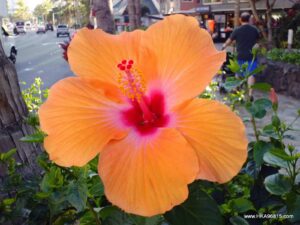
Size: 2 to 3 feet tall and wide. Sun: full sun. Water: low. Cup-shaped flowers in orange, apricot or pink open mainly in spring and again in fall. It fills open ground quickly and self-seeds into drifts. The drawback is a loose, sprawling habit, and the fine hairs on its leaves can irritate bare skin when you prune.
Desert willow (Chilopsis linearis)
Size: 15 to 25 feet tall and about as wide. Sun: full sun. Water: low to moderate, with a deep soak about once a month in summer. Despite the name, it is not a true willow. Trumpet-shaped pink, lavender or white flowers open from late spring into summer, which is rare for a desert tree. The drawback is mess: it drops flowers and long seed pods, and it is bare in winter.
Velvet mesquite (Prosopis velutina)
Size: 25 to 40 feet tall and wide. Sun: full sun. Water: very low once established, with occasional deep soaks. This is the Sonoran Desert’s classic shade tree, and as a legume it can add nitrogen to the soil around it. The drawback is size and litter. It has thorns on young growth, drops leaves and pods, and needs plenty of room, so it is a poor choice for a narrow side yard.
Sacred datura (Datura wrightii)
Size: 3 to 4 feet tall and 4 to 6 feet wide. Sun: full sun to light shade. Water: low. Large white trumpet flowers open in the evening and draw hawk moths, and the plant dies back in winter before returning in spring. The drawback is serious. All parts are poisonous if eaten, so keep it away from children and pets, and wear gloves when you cut it back.
How do I replace gravel with native plants step by step?
Work in sections rather than clearing the whole yard. Planting one bed at a time lets you learn your sun and drainage before you commit the rest.
- Note which spots get all-day sun, which get afternoon shade from a wall, and where water pools after a storm.
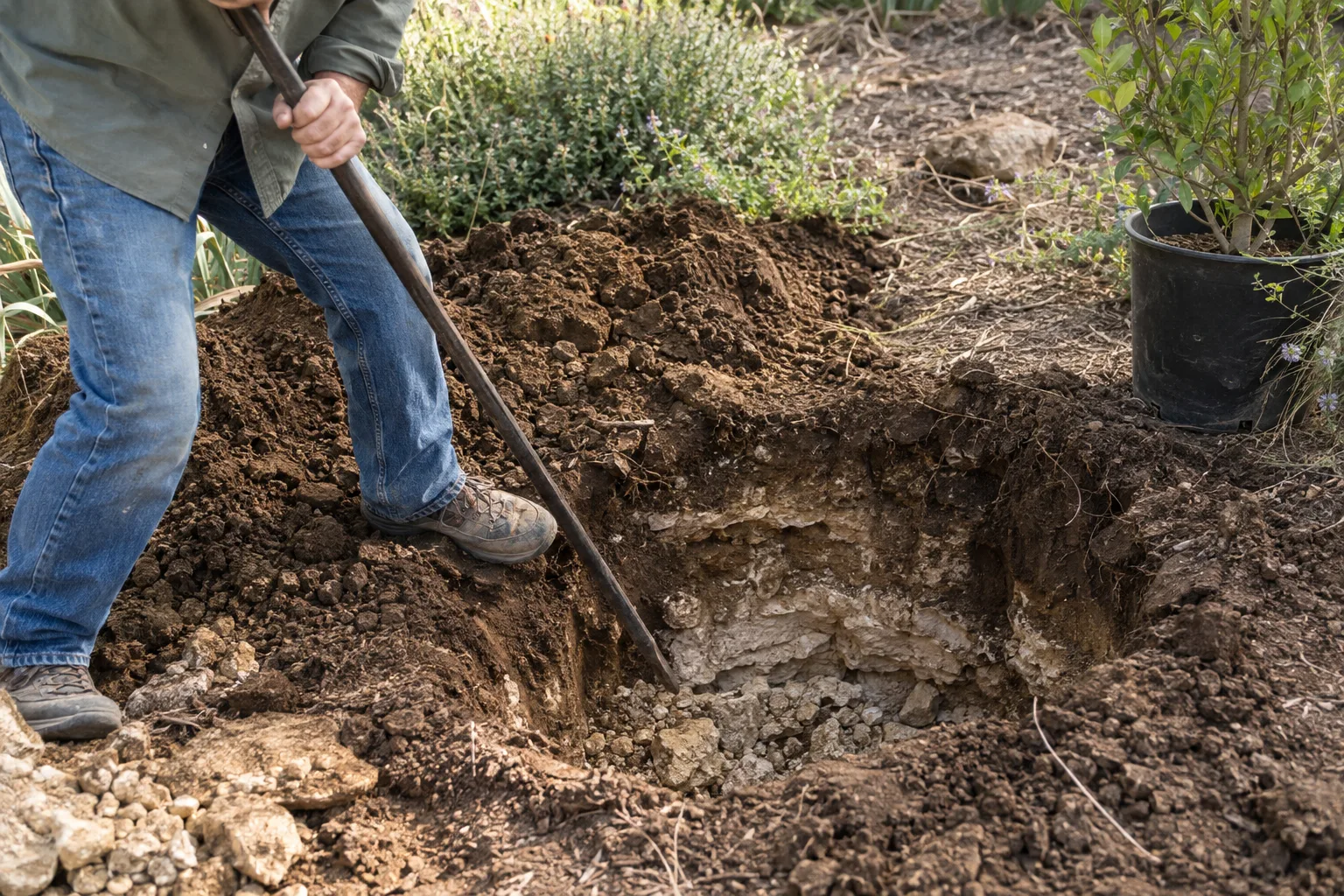
- Probe the soil with a rebar rod in several places. If it stops 6 to 18 inches down, you have found caliche, a cemented mineral layer.
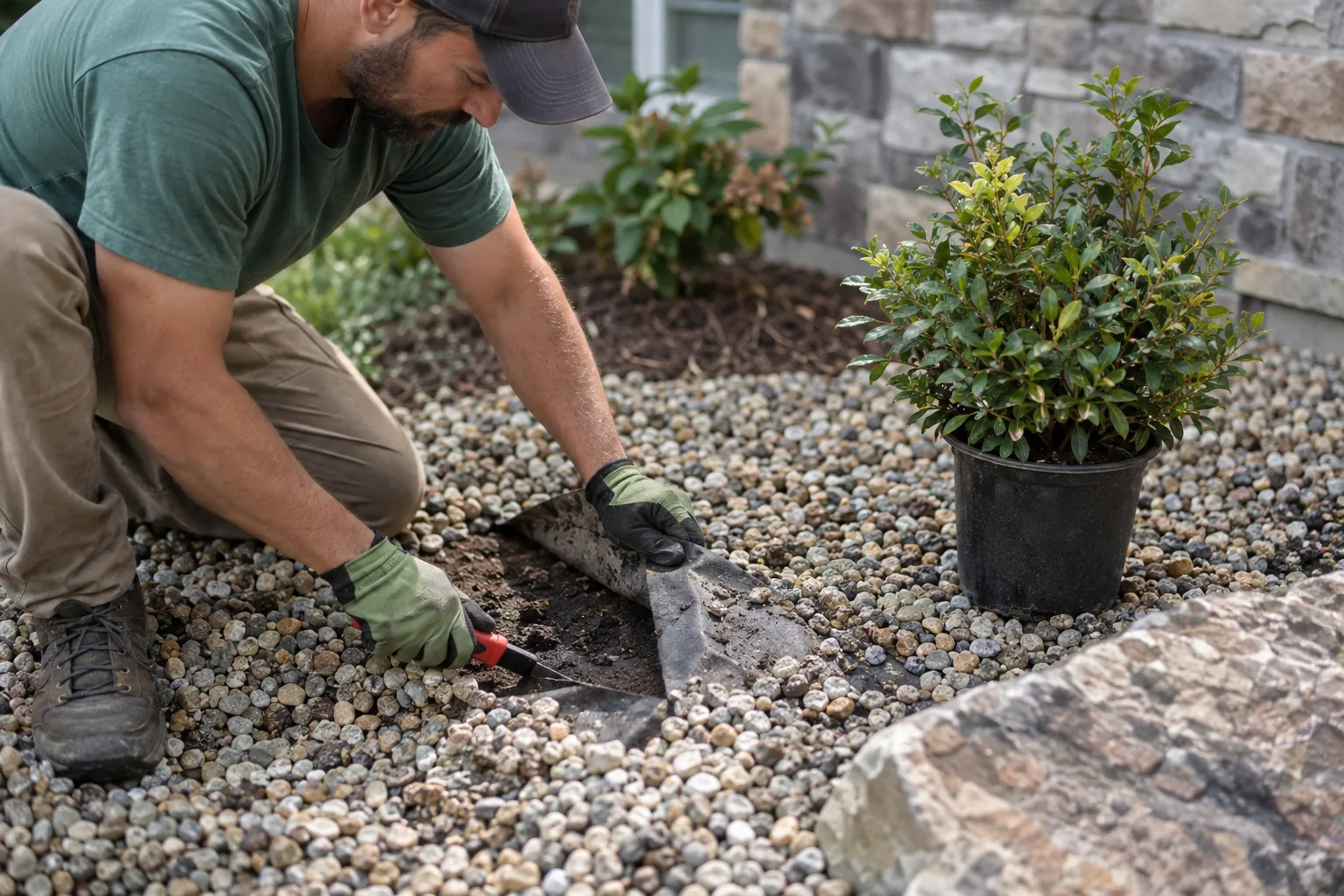
- Rake gravel back from the planting areas only, and cut away the landscape fabric underneath so roots and seedlings reach soil.
- Loosen compacted soil with a pick or auger. Leave it unamended, since most natives prefer lean soil.
- Dig each hole wider than it is deep, set the plant at the same level it sat in the pot, and water it in well.
- Spread 2 to 3 inches of decomposed granite over the bed and keep it a few inches back from the stems.
- Scatter wildflower seed such as desert marigold over bare soil in fall, and keep it damp until it sprouts.
Skip bark mulch. It holds moisture against plant crowns, which invites rot on desert plants. Avoid planting in June or July, when new roots struggle against air temperatures above 110°F.
How much water do native plants need in Queen Creek?
Natives need regular deep watering for the first year, then much less. Plan on a deep soak every 7 to 10 days through the first summer, applied at the root zone and not as a quick sprinkle on the surface.
By year two and three, most of the smaller plants here, such as brittlebush, desert marigold and penstemon, manage on rainfall plus an occasional soak during dry stretches. Desert willow and velvet mesquite do best with a deep watering roughly once a month in summer for their whole lives. Drip emitters should sit out at the edge of the canopy as the plant grows, since fine roots follow the water. Group plants by water need so one zone is not drowning some and starving others.
Can native plants handle caliche and alkaline soil?
Yes, the low-growing natives handle both well. Brittlebush, globe mallow and desert marigold spread their roots sideways through shallow, alkaline soil, much as they do in the wild.
Trees are different. Desert willow and velvet mesquite send roots deep, so a hard caliche layer under the planting hole can trap water and stunt them. Break through it with a rented hammer drill or a digging bar, or choose a planting spot where the layer is thin. Our hard Queen Creek water also leaves mineral buildup, so deep watering that flushes the root zone helps more than frequent light sprinkling.
When is the best time to plant natives in the East Valley?
October and November are the best months, with February and March a close second. In fall the soil is still warm enough for roots to grow while the air cools, which reduces stress on a new plant.
Wait to prune spring bloomers like penstemon and brittlebush until their flowers finish. Watch the forecast in winter, because an occasional frost below 28°F can burn tender new growth on plants such as brittlebush. For a month-by-month view, check our gardening calendars. Trees like desert willow and velvet mesquite are covered in our desert trees section.
Frequently asked questions
How long until native plantings fill in?
Most native plantings look established by the second or third year. Fast growers such as brittlebush and globe mallow can fill their space in one growing season, while desert willow and velvet mesquite take several years to reach a shady size. Seeding desert marigold in fall can add a drift of color by the next spring.
Are native plants safe around kids and pets?
Most are low risk, but sacred datura is poisonous if eaten and should stay out of yards where small children or dogs roam unsupervised. Velvet mesquite has thorns, and the hairy leaves of globe mallow can irritate skin. For a specific plant, contact the Arizona Poison and Drug Information Center or your vet.
Can I mix natives with non-native desert plants?
Yes, if the plants share similar water needs. Red yucca (Hesperaloe parviflora), Texas ranger (Leucophyllum frutescens) and agaves pair well with Sonoran natives. Put each group on its own irrigation zone so low-water plants are not overwatered by the schedule a thirstier plant needs.
Do native plants need fertilizer?
Most natives need little or none. Rich fertilizer pushes soft, fast growth that tends to scorch in summer sun. If a plant looks pale after its first year, check watering and drainage first, then ask our staff about a light feeding suited to that plant.
Is replacing your gravel with native plants worth it?
Yes for most yards, if you can accept a looser, more natural look than a raked rock bed gives. Natives repay a season of careful first-year watering with shade, seasonal color and less upkeep afterward. They are a poor fit if you want a sharply clipped formal look, or if you cannot water on schedule through the first summer. Stop by our Queen Creek nursery and talk through your yard with our staff.