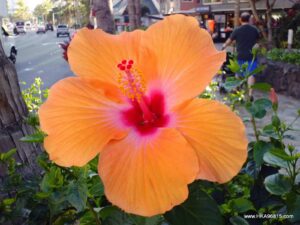

Early heat stress in an Arizona garden shows up as leaves that stay curled overnight, wilting in moist soil, crisp leaf edges, early leaf drop, dropped flowers, stalled growth, and soil pulling away from pot edges. Catch these in the first week and most plants recover.
Key takeaways
- Leaves still curled at 8 AM, after a night of cooling, point to a water deficit that one extra watering will not fix.
- Midday wilting that recovers by evening is common above 105°F. Wilting that starts earlier each week is the warning.
- Check moisture 8 to 12 inches down with a probe or long screwdriver before you change your watering schedule.
- A 3 to 4 inch layer of organic mulch, kept a few inches off the stems, is the first fix for most stressed plants.
- Flower and fruit drop is normal when daytime highs pass roughly 95°F, so stop fertilizing and wait for cooler nights.

Why does heat stress look different in Queen Creek?
Heat stress looks different here because summer highs above 110°F, warm nights and alkaline, caliche-heavy soil leave roots little chance to recover. In the East Valley, overnight lows often stay in the 80s from June through August. Soil in direct sun can run far hotter than the air, with surface readings above 140°F.
Caliche, the cement-like mineral layer common a foot or two down, slows drainage and keeps roots shallow, so they sit in the hottest soil. Hard irrigation water leaves salts behind, which adds to leaf-edge burn. The monsoon, roughly July through September, brings humidity that can hide stress for a few days before it returns. Plants suited to the low desert, like those in our plants department, cope with all of this better than plants bred for milder climates.
What are the seven early signs of heat stress?
The seven early signs are leaf curl, wilting in moist soil, scorched edges, leaf drop, flower and fruit drop, stalled growth, and soil shrinking away from container walls. Each one appears before a plant is past saving.
1. Leaf curl that lasts overnight
Leaves curl inward or cup upward to shrink the surface exposed to the sun and slow water loss. Curling at 2 PM that relaxes by evening is a normal daily reflex. Curling that holds into the next morning means the plant is falling behind on water, and you should look at irrigation depth and mulch. Tomatoes, peppers and flowering shrubs show it first.
2. Wilting even though the soil is moist
Leaves can lose water faster than roots can deliver it, even in damp soil. Do not add more water in that case. Midday droop that recovers by evening is common in peak summer. The warning is wilting that begins earlier in the morning week after week, or on a plant that used to handle the same heat without drooping. Shade cloth and a pause on fertilizer help.
3. Scorched or bleached leaf edges
Brown, crisp margins that creep inward from the tips are heat scorch, and they appear first on the south and west sides of a plant. Bleached, pale patches usually show up on plants moved from shade into full sun too quickly. Salt buildup from hard water can add to edge burn. Damaged tissue never turns green again, but new growth will be fine once conditions improve.

4. Heavy leaf drop on plants that do not normally do it
Some leaf drop is a normal strategy. Palo verde sheds small leaves in extreme heat and keeps photosynthesizing through its green bark. Heavy drop is different on citrus trees, hibiscus or deciduous fruit trees before September. It is a stress response that delays growth and fruiting, and recovery can take much of the rest of the season. Deep watering and mulch come first.
5. Flowers and fruit that fall off
Many fruiting plants stop setting fruit when daytime highs pass roughly 95°F and nights stay warm, because pollen becomes unreliable. Tomatoes, peppers and squash flowers drop without producing. The plant is not sick, and no spray will change it. Plan plantings around the heat instead, using the University of Arizona Cooperative Extension vegetable planting calendar for Maricopa County for timing.
6. Growth that stops
Growth naturally slows once temperatures reach the triple digits. A plant that pushed new leaves a few weeks ago and now looks dull, sparse and static is more likely stressed than resting. Stalled plants are also more open to pest and fungal trouble when monsoon humidity arrives, so keep watching them.
7. Soil shrinking away from the pot or bed edge
A gap of half an inch or more between soil and a container wall means the mix has dried hard. Water then runs down the gap and out the drainage hole without wetting the roots, so a plant can stay dry after you watered it. Peat-based mixes do this most. A slow soak and mulch correct it, and sturdy pots and planters that hold moisture longer reduce the problem.
How do I tell heat stress from overwatering?
Heat stress follows the clock and the sun, while overwatering follows the soil. The two look alike, with wilting, yellowing and slow growth, but the fixes are opposite, and giving water to a waterlogged plant can finish it off. Caliche can cause both at once, with a soggy lower root zone under a dry surface.
Signs that point to heat stress
- Wilting peaks in the afternoon and eases by evening.
- Leaf edges are brown and crisp, not mushy.
- Soil dries out quickly between waterings.
- Damage is worst on south and west exposures.
Signs that point to overwatering
- Plants wilt in the cool morning.
- Yellowing is even across the leaf, and leaves feel soft.
- Soil stays wet for days and may smell sour.
- Roots pulled from a pot are brown and mushy instead of white and firm.
When you cannot tell, probe the soil 8 to 12 inches down and watch the plant for 48 hours before changing anything.
What should I do first when plants show heat stress?
Start by finding out how deep the water is reaching, then fix depth, cover and shade before anything else. Work through these steps in order.
- Probe the soil 8 to 12 inches down. If it is dry below about 4 inches, the plant has a real water deficit.
- Water slowly and deeply. Established shrubs and trees need moisture well below the top foot, so lengthen run times and reduce how often you water.
- Spread 3 to 4 inches of organic mulch, keeping it a few inches back from trunks and stems.
- Cover vegetable beds and container plants with 30 to 50 percent shade cloth on the south and west sides.
- Pause fertilizer until nights cool, since feeding pushes soft growth that wilts first.
- Trim only leaves that are fully dead. Healthy canopy shades the branches below it.
- Move irrigation to early morning, and recheck the plant over 5 to 7 days.

Running drip for a few minutes twice a day is the most common mistake, because it wets only the top few inches. Fewer, longer cycles build deeper roots.
Which plants show the least heat stress in the low desert?
Plants that evolved in hot, dry places show the least stress, though even they need regular water through their first two summers. These are varieties we commonly carry, and availability changes week to week and season to season.
Texas sage (Leucophyllum frutescens) has silvery leaves that reflect heat and often blooms after monsoon humidity. Red yucca (Hesperaloe parviflora) sends up flower spikes that hummingbirds visit and handles reflected heat from walls. Desert willow (Chilopsis linearis) flowers through much of summer and drops its leaves in winter. Lantana keeps blooming in high heat, though it can freeze back in a hard winter frost. For shade, look through our desert trees.

Armenian cucumber (Cucumis melo var. flexuosus) is one of the few vegetables that keeps producing in summer, with afternoon shade and steady water.
Frequently asked questions
Can a plant recover fully from heat stress?
Yes, if the roots are still healthy. A plant with curled leaves or midday wilting but no tissue damage can bounce back within days of deeper watering and shade. Scorched leaf edges stay brown, though new leaves grow in clean. Recovery gets doubtful after weeks of drought and heat have damaged the roots.
Should I prune a heat-stressed plant in summer?
Remove only dead or fully scorched leaves. Heavy pruning in summer exposes bark and inner branches to sun and triggers soft new growth that needs more water. Save structural cuts for the cooler months. Our gardening calendars show what to do in each month.
Do native desert plants get heat stress too?
They can, mostly in the first two summers after planting, before roots spread. A new palo verde or brittlebush needs regular watering through that period even though it is drought adapted. Established natives handle the heat on very little extra water, and some drop leaves as a normal defense.
What density of shade cloth should I use?
Choose 30 to 50 percent shade cloth for most vegetables and containers, and hang it above the plants with air space underneath. Denser cloth cuts too much light for fruiting crops. Put it on the south and west sides first. Browse our herbs, vegetables and berries for crops that suit the season.
Should you change your watering or your plant list?
Change your watering first. If plants droop at 3 PM and perk up by evening, leave them alone, because that is a normal daily cycle. If leaves stay curled in the morning, or wilting starts earlier each week, switch to deeper, less frequent soaks and add mulch. Replace a plant only if it has struggled through two or more summers despite good care. Stop in at our Queen Creek nursery and ask us which plants suit your yard.