
To harden off seedlings in Arizona, set them outdoors in shade for 2 to 3 hours, then add a little more sun each day over 7 to 10 days before transplanting. Soft, indoor-grown leaves burn fast in low desert April sun and wind.
Key takeaways
- Plan on 7 to 10 days, starting with 2 to 3 hours of morning shade out of the wind.
- Introduce direct sun around day 5 with 30 to 45 minutes before 9:30 AM, and build to 3 to 4 hours of morning sun by day 9.
- Check trays in the morning and again in late afternoon, because small pots can dry out within a few hours in April.
- Hold 30 percent shade cloth over new transplants for about 7 days, or 10 to 14 days if you shortened the schedule.
- Tomatoes, basil, squash and cucumbers need the full schedule, while marigolds and zinnias can often go faster.
Why do seedlings need hardening off in the low desert?
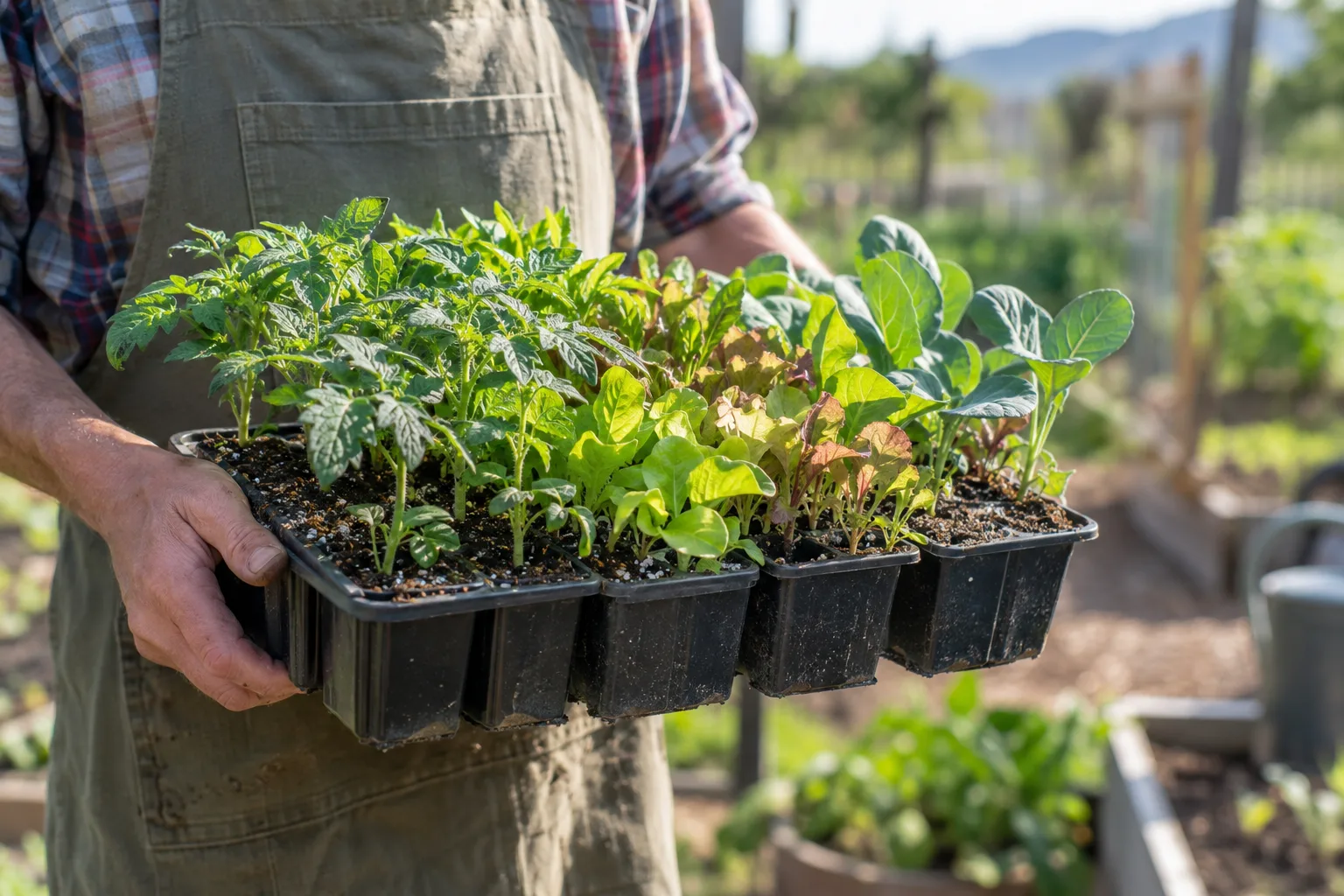
Seedlings grown indoors or under greenhouse cover have soft, thin leaves that have never met full sun, moving air or dry air, so they lose water faster than their small root systems can replace it. Hardening off is a 7 to 10 day routine of gradual outdoor exposure that gives the plant time to toughen up before it goes into the ground.
The low desert makes this step more urgent than it is in milder regions. April brings intense sun, humidity that often drops into the teens or lower, and gusty spring wind. Block walls, driveways and gravel then radiate extra heat back at young plants. A tray that spent three weeks under grow lights has no defense against any of it.
Over the hardening period the plant builds tougher leaf tissue and its roots catch up with the demand for water. Exposure in small steps solves the problem.
When should I start hardening off seedlings in April?
Start the day you bring transplants home, and aim to have them planted by mid-April if you can. Highs in Queen Creek commonly run from the 80s into the 90s through April, and 100°F days become more likely toward the end of the month, so every week of delay shortens your margin.
Each warm-season crop has its own planting window. The University of Arizona Cooperative Extension vegetable planting calendar for Maricopa County lists those windows, and our gardening calendars give month-by-month reminders. For ideas on what suits April, browse our herbs, vegetables and berries. We commonly carry many warm-season vegetables and herbs, though availability changes week to week and season to season.
- First half of April: the best time to begin. Morning sun is manageable, and shade cloth can soften the afternoons.
- Third week of April: still workable, but on a faster schedule with close attention to afternoon heat.
- Last week of April and into May: stick to early morning sun, use heavy shade cloth, and get plants in the ground quickly once they are conditioned.
Late plantings are risky.
How do I harden off seedlings step by step?
Set up a sheltered spot first, then follow a 10 day schedule that adds sun in small steps. You need a bench or table so trays sit off hot concrete, 30 percent shade cloth, a timer or phone reminder, and a watering can with a gentle rose. An east-facing patio runs noticeably cooler than a spot beside a south or west block wall. Plan the layout before day 1.

- Days 1 and 2: Put seedlings in full shade for 2 to 3 hours during the cool part of the morning, roughly 7 to 10 AM, under a patio cover or against a north-facing wall. Bring them back to a shaded spot afterward. These days introduce moving air and outdoor temperatures. Sun can wait.
- Days 3 and 4: Move trays to dappled or filtered light for 2 to 3 hours in the morning, with 4 to 5 hours outdoors in total. The light under a lacy tree such as a palo verde works well. Keep direct sun off the leaves.
- Days 5 and 6: Give 30 to 45 minutes of direct sun before 9:30 AM, then shade for the rest of the day. Watch the leaves closely. Slight afternoon drooping is fine, but limp leaves that do not recover by evening mean you moved too fast.
- Days 7 and 8: Extend direct morning sun to 1 to 2 hours. Hanging 30 percent shade cloth over the plants saves you from carrying trays back and forth. Leave them out all day, but out of direct afternoon sun.
- Days 9 and 10: Allow 3 to 4 hours of morning sun and filtered light in the afternoon. Seedlings with firm stems and no heavy wilting are ready to plant.
- Transplant day: Choose a calm, cool morning or the late afternoon. Water the seedlings well before moving them and again after planting, then cover the bed with 30 percent shade cloth for about a week.
The shade cloth after planting gives roots time to reach into the surrounding native soil before full sun hits the leaves. Our soil is alkaline and often hard, so dig a wide planting hole and loosen the sides before you set the root ball in.
Which seedlings need the slowest hardening-off schedule?
Tender plants with large, thin leaves need all 10 days, while sturdy annuals can move faster. Here is how the usual spring candidates compare.
Tomatoes (Solanum lycopersicum) bleach quickly in sudden sun, so give them the full schedule. April is late for them, because fruit set generally falls off once nights stay above roughly 75°F and days climb past 90°F, so the earlier planting dates on the spring calendar suit them better.
Peppers (Capsicum annuum) tolerate heat well once established, but seedlings dislike sudden swings and nights below about 50°F. They also dislike wind, so keep them sheltered during the first week.
Squash (Cucurbita species) and cucumbers (Cucumis sativus) grow fast and recover quickly, yet their broad leaves scorch easily. Start with shade and do not skip the middle steps.
Basil (Ocimum basilicum) reacts badly to both cool nights and sudden sun. Give it at least five days of shade conditioning before any direct sun. Once hardened, it handles our heat well.
Marigolds (Tagetes species) and zinnias (Zinnia elegans) are among the sturdiest, and a 6 to 7 day schedule usually works for them. Browse our annual flowers and foliage for color to plant beside vegetable beds. The varieties we commonly carry change with the season.
How should I water and protect seedlings while they harden off?
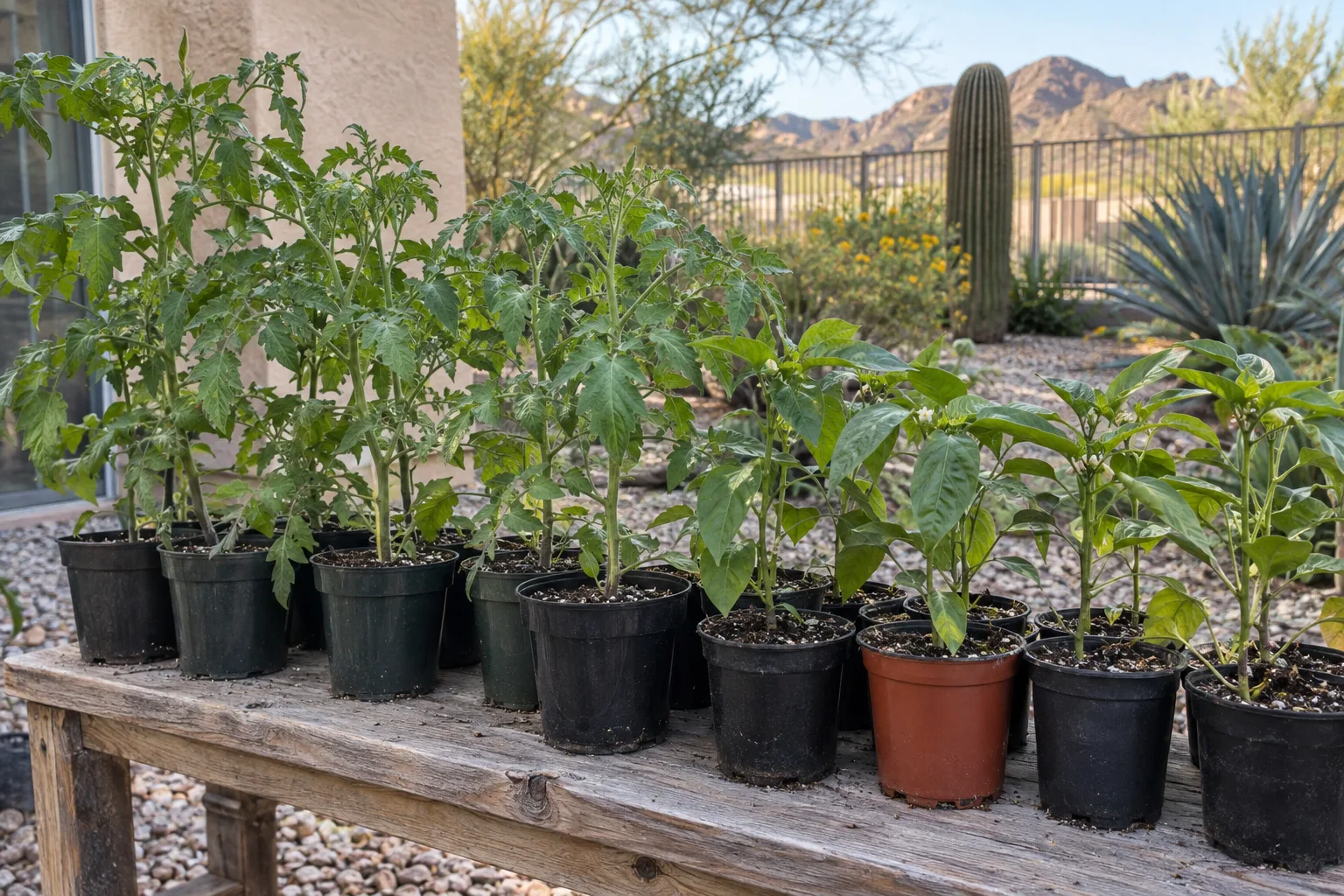
Check trays in the morning and again in late afternoon, and water when the top half inch of mix feels dry. Small pots in dry air and sun can go from damp to dry in a few hours, so by the later days you may be watering twice daily. Let excess water drain freely, because roots sitting in a full saucer cannot get oxygen and start to rot.
Water the base of the plants with a gentle stream so you do not knock seedlings over or wash mix out of the cells. Hold off on fertilizer during hardening, since extra nitrogen pushes soft new growth. About a week after planting, once you see healthy new growth, a half-strength liquid feed is reasonable.
Wind and hot surfaces cause most of the damage. Gusts pull moisture from soft leaves, so bring trays into shelter on windy afternoons. Keep them on a wooden bench instead of concrete or flagstone, and away from south and west block walls, which can raise the air temperature around plants by several degrees. A thermometer on the bench shows what your seedlings are experiencing.
What if I only have five to seven days?
You can compress the schedule by spending days 1 and 2 in shade, moving to filtered light on day 3, and using 50 percent shade cloth for the first two days of direct sun. Water more often to offset the added stress, and expect some leaf damage on the most tender plants. After planting, keep 30 percent shade cloth over the bed for 10 to 14 days rather than 7. Shade cloth does much of the work.
A rushed schedule suits sturdy plants such as marigolds and zinnias best. Tomatoes, basil and cucumbers come through a short schedule with more losses. If you are unsure which way to go, our classes and events page shows whether any spring vegetable sessions are scheduled.
Frequently asked questions
Can I harden off seedlings in a garage?
A garage works as a staging area only if it is open, ventilated and shaded. A closed garage with a west-facing door can climb well above the outdoor temperature by afternoon, so check it with a thermometer before relying on it. An east-facing open door gives gentle morning light and airflow. Move trays to a patio bench if the garage stays stuffy.
What does sunburn on seedlings look like, and can the plant recover?
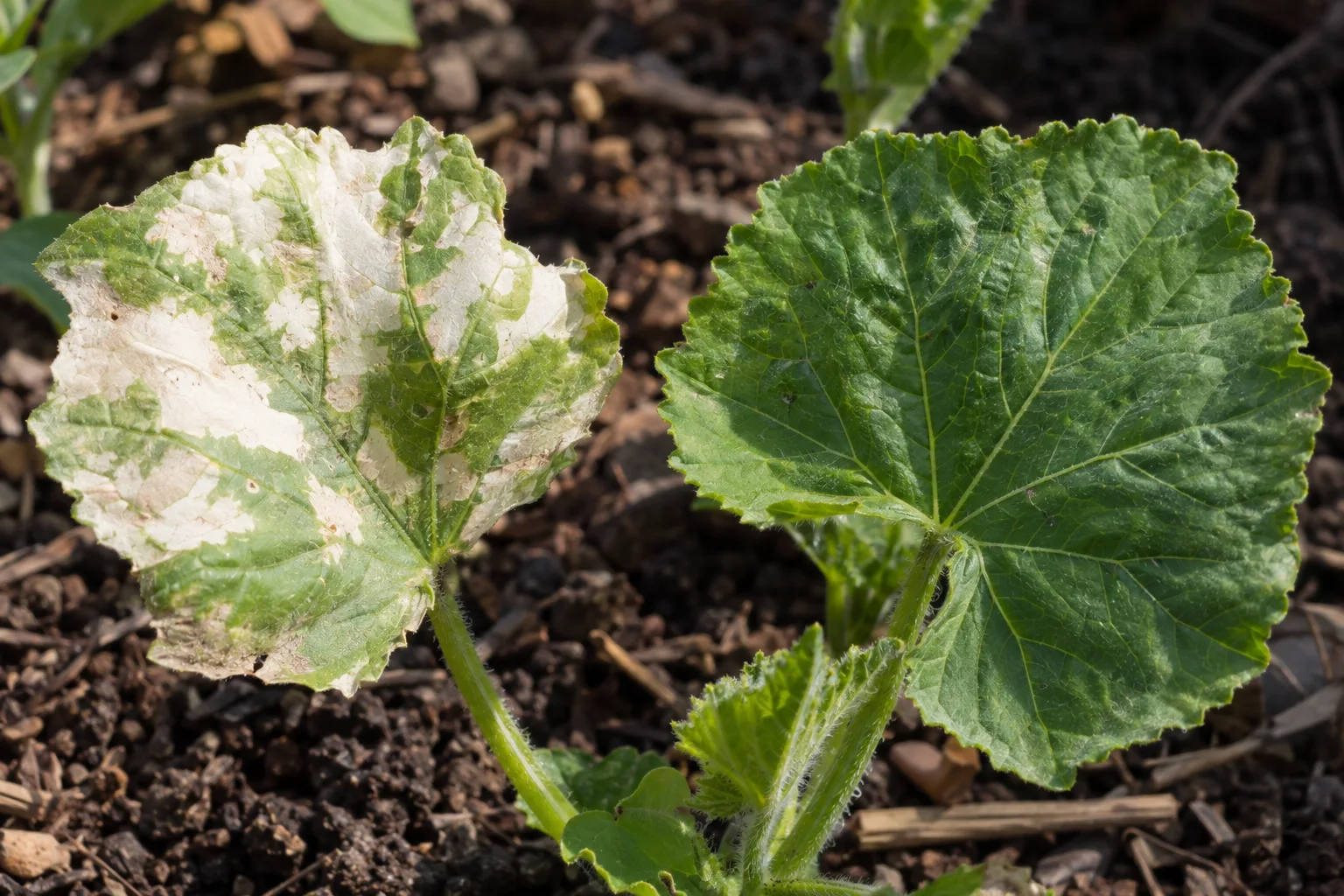
Sunburned leaves turn pale green, then white or tan, and the damaged patches do not recover. Move the plant to shade right away, water it, and wait several days before resuming the schedule. If the growing tip and most leaves are still green, the plant usually grows new leaves. Extensive bleaching across most of the foliage often kills a small seedling.
How do I know a seedling is ready to plant?
A seedling is ready when its leaves look firmer and slightly darker than when it left the greenhouse. It should handle 3 to 4 hours of morning sun without lasting wilt. Some afternoon drooping is normal in April heat. The real test is recovery: if the leaves are firm again by 8 AM the next morning, the plant is ready to go in the ground.
Do seeds sown directly in the garden need hardening off?
No, seeds sown directly in the garden germinate and grow in the conditions they will live in, so they need no hardening. Hardening off applies only to transplants raised indoors or under cover. Young direct-sown seedlings still need steady moisture and sometimes shade cloth during hot, windy spells, but no gradual schedule.
Can I leave seedlings outside overnight while hardening off?
Yes, once seedlings reach the second half of the schedule, you can leave them out overnight if lows stay above about 50°F. Warm-season plants such as peppers and basil stall or get damaged in cooler nights. April nights in Queen Creek are usually mild, but check the forecast. Keep trays under a patio cover to buffer the temperature.
Is hardening off worth the effort for a few transplants?
Yes, for any transplant raised indoors, in a greenhouse or under shade cloth. A week or so of gradual exposure takes a few minutes twice a day, and a scorched tray can cost the entire planting. Skip the full schedule if your seedlings have already been growing outdoors in your yard under similar sun. If you cannot spare time in the morning and late afternoon for a week, wait for fall planting or choose sturdier annuals. Stop by our nursery in Queen Creek and we will help you choose plants that suit your yard.