

Citrus, roses, palms, bermudagrass, tomatoes, bougainvillea, lantana and yellow bells are the eight plants worth fertilizing in April in Arizona. Soil is warm and growth is active, while highs stay below the 105°F that makes feeding risky.
Key takeaways
- Fertilize in April and early May, when nights stay above roughly 60°F and before daytime highs pass 100°F.
- Water the bed deeply the day before and again right after you apply fertilizer to protect roots from salt burn.
- Citrus, palms and bermudagrass each need a different product, so one bag will not cover the whole yard.
- Established desert trees and native wildflowers need little or no fertilizer.
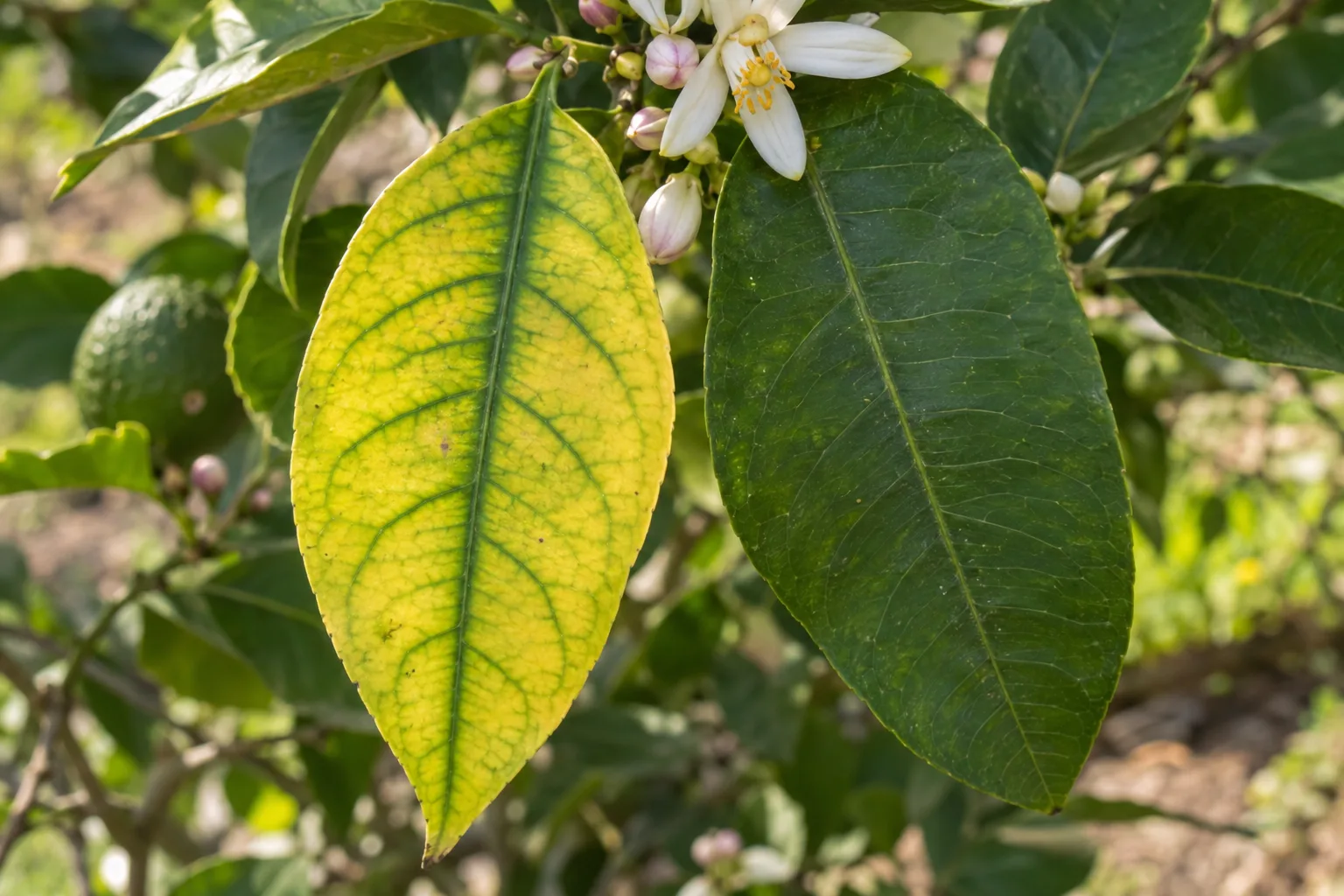
- Yellow leaves with green veins point to iron that roots cannot reach in alkaline soil, and extra fertilizer will not fix it.
Why is April a good month to fertilize in the low desert?
April combines warm soil, active roots and air that is still cool enough to avoid burn. Daytime highs in the East Valley run from the 80s to the low 90s, and nights climb above 60°F by the end of the month. Plants are pushing new growth and can use nitrogen right away. Feeding now also builds reserves before summer highs above 110°F slow growth. Our gardening calendars lay out the rest of the year month by month.
Once highs pass 100°F in mid-May, fast-release fertilizers can stress roots. Timing matters. Our soil is alkaline, often between pH 7.5 and 8.5, and caliche slows drainage. Iron, zinc and manganese are present but locked up, which is why many of the fertilizers below carry micronutrients.
Which eight plants should I fertilize in April in Arizona?
The eight below respond best to an April feeding. They are plants we commonly carry, though availability changes week to week and season to season.
Lemon, orange and grapefruit (Citrus species)
Citrus is a heavy nitrogen feeder, and a spring feeding supports fruit size and new leaves. Mature trees reach 8 to 25 feet depending on variety and rootstock. They need full sun and a deep soak every 1 to 2 weeks in April. The drawback is iron chlorosis in our alkaline soil, plus frost tenderness in January and February.
Choose a citrus fertilizer that lists iron, zinc and manganese, spread it under the canopy and keep it 6 inches from the trunk. Our citrus trees department lists the varieties we commonly carry.

Roses (Rosa hybrids)
Roses bloom heavily in April, and feeding as the first flush begins supports the buds that follow. Most grow 3 to 6 feet tall, want 6 or more hours of sun with afternoon shade in summer, and need deep watering once or twice a week in spring. The drawback is that bloom slows sharply once highs stay above 100°F. A balanced rose fertilizer with micronutrients works well.
Queen palm (Syagrus romanzoffiana)
Queen palms need potassium, magnesium and manganese, and a palm-specific slow-release fertilizer supplies all three. They reach 25 to 40 feet, want full sun and take a deep watering about every 1 to 2 weeks in spring. The drawback is that nutrient shortages show up as yellow, frizzled fronds, and cold snaps can scorch them. Skip high-nitrogen turf fertilizer, which pushes leaf growth while the deficiency worsens. Browse our palm trees to compare sizes and habits.
Bermudagrass (Cynodon dactylon)
Bermudagrass should be fed once it is fully green, usually from mid-April into May. It grows as a low turf mowed at 1 to 2 inches, wants full sun and a deep soak a few times a week in spring. The drawback is that it goes brown in winter and creeps into planting beds. Use a turf fertilizer high in nitrogen, follow the label rate per 1,000 square feet, and water it in the same day.
Tomatoes (Solanum lycopersicum)
Tomatoes that are setting fruit in April benefit from a vegetable or tomato formula with less nitrogen, so the plant makes fruit instead of leaves. Vines run 3 to 6 feet and want 6 to 8 hours of sun and steady moisture. The drawback is heat: fruit set drops when days pass the low 90s and nights stay warm. The UA Cooperative Extension vegetable planting calendar shows the planting windows for Maricopa County. See our herbs, vegetables and berries for more spring crops.
Bougainvillea (Bougainvillea hybrids)
Bougainvillea needs only a light, balanced feeding in April, because too much nitrogen produces leaves at the expense of colorful bracts. Plants range from 6 to 15 feet or more depending on variety, need full sun, and want little water once established. The drawback is frost damage and sharp thorns. Water the soil first, since dry roots burn easily.

Lantana (Lantana camara)
Lantana blooms without much help, so one light balanced granular feeding in April is plenty. Plants grow 2 to 4 feet tall and 3 to 6 feet wide, take full sun and need only occasional deep watering once established. The drawback is that frost cuts it back in winter and it sprawls if left unpruned. Heavy feeding reduces flowers.
Yellow bells (Tecoma stans)
Yellow bells benefit from one light balanced, slow-release feeding at the start of the bloom season. This shrub reaches 6 to 10 feet, wants full sun and needs little water after the first year. The drawback is frost damage in cold winters, along with seedlings that pop up around the plant. Established plants often need nothing more.
What fertilizer should I buy for each plant?
Match the product to the plant, because nutrient needs differ widely. The table summarizes what each of the eight wants in April.
| Plant | Fertilizer type | Nutrient focus | April note |
|---|---|---|---|
| Citrus | Citrus formula | Nitrogen plus iron, zinc, manganese | Keep 6 inches from trunk |
| Roses | Rose or balanced | Balanced with micronutrients | Feed as first flush begins |
| Queen palm | Palm slow-release | Potassium, magnesium, manganese | Avoid turf fertilizer |
| Bermudagrass | Turf fertilizer | Nitrogen | Wait until fully green |
| Tomatoes | Tomato or vegetable | Lower nitrogen | Feed once fruit sets |
| Bougainvillea | Balanced, light | Modest nitrogen | Too much nitrogen hides color |
| Lantana | Balanced granular | Light balanced | One feeding only |
| Yellow bells | Balanced slow-release | Light balanced | Established plants need little |
How do I apply fertilizer in April without burning roots?
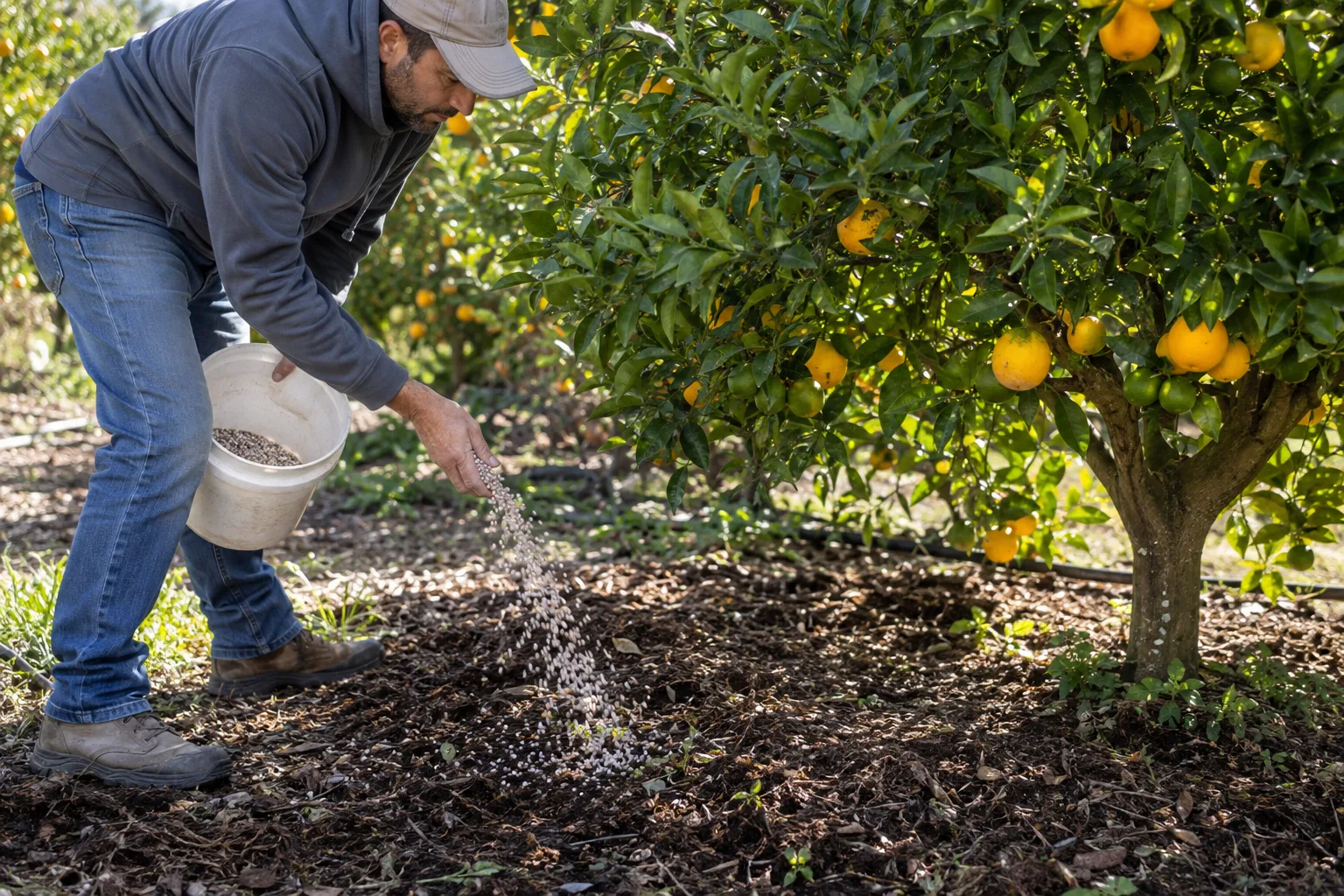
Apply it to moist soil at the right rate, then water it in. Dry soil and doubled doses cause most fertilizer burn, and our hard water already leaves salts behind in the root zone.
- Read the label and measure the dose for your plant or square footage.
- Water the bed deeply the day before, so the soil is moist but not soggy.
- Spread granules evenly from 6 inches off the trunk out to just past the canopy edge, where feeder roots grow.
- Water in deeply within a few hours, aiming for 2 to 3 inches of moisture in the soil.
- Watch for new growth or deeper color over the next 2 to 3 weeks.
- Write down the product and date so you do not double up later.
Early morning is the best time to apply. Granular fertilizer left on hot, dry soil in the afternoon can concentrate on the surface and scorch shallow roots, so a slow irrigation cycle right after spreading is a safe habit.
Which plants should I skip fertilizing in April?
Skip established desert trees and native wildflowers, because they are adapted to lean soil. Palo verde, mesquite and desert willow that have been in the ground for years usually need little or nothing, and extra feeding pushes soft growth that breaks in monsoon winds.
Young trees in their first two to three years can take a light slow-release feeding to help them establish. Desert marigold, globe mallow, penstemon and brittlebush bloom best unfed. Pushing them with fertilizer can shorten the display. Our desert trees page shows the kinds that need the least care.
Why are my leaves still yellow after fertilizing?
Yellow leaves with green veins usually mean iron chlorosis, which is a pH problem rather than a shortage of fertilizer. In alkaline soil, iron is present but roots cannot absorb it, so another round of general fertilizer changes nothing.
Apply an iron chelate labeled for alkaline soil, and soak the root zone afterward. Overwatering and poor drainage over caliche cause similar yellowing, so check the soil before you feed again. If new leaves stay pale after a month or two, bring a sample to the nursery.
Frequently asked questions
Is it too late to fertilize in late April?
No, late April still works for most plants. Apply in the early morning to pre-watered soil, and use slow-release products as temperatures rise. By mid-May, when highs pass 100°F, hold off on fast-release fertilizers for warm-season plants and wait for guidance on a summer feeding.
Can I fertilize plants I just put in the ground?
Wait until new plants show fresh growth, usually 6 to 8 weeks after planting. Their roots are still spreading and burn easily. If you feed sooner, use a diluted liquid starter or half the label rate, and water it in well.
Should I use liquid or granular fertilizer?
Granular slow-release is the better choice for trees, palms and lawns because it feeds for weeks. Liquid acts faster and suits vegetables, roses and containers, but needs reapplying more often. Either type needs moist soil beforehand and a deep watering afterward.
Does hard water change how I fertilize?
Yes, hard water adds salts that build up in the soil, so deep, infrequent watering matters. A slow soak that pushes water below the root zone carries salts down and away. Shallow daily sprinkling leaves them near the surface, where fertilizer adds more.
When should I fertilize again after April?
Many plants take a second feeding in late spring or early summer, and palms and bermudagrass often get a third later in the season. Follow the label interval for each product, and pause when highs reach 110°F. Check the gardening calendar for the next window.
Is April fertilizing worth it for your yard?
For most yards, yes. Citrus, roses, palms, lawns and vegetables all gain from a well-timed April feeding, as long as you match the product to the plant and water it in. If your yard is mostly established desert trees, native shrubs and wildflowers, you can skip it. Soil test results or persistent yellowing may call for something different than fertilizer. Stop by the nursery in Queen Creek and we will help you pick the right products for your plants.
