

The most useful gardening tasks for February in Arizona are planting cool-season vegetables, pruning roses, feeding citrus, pulling weeds early, checking irrigation, starting warm-season seeds, and improving soil. Do them before the low desert heat arrives in April.
Key takeaways
- Sow carrots, beets, radishes, chard, spinach and cilantro from seed, and set out broccoli, cabbage and kale transplants early in the month.
- Prune hybrid tea roses around Valentine’s Day, cutting them back to roughly 18 to 24 inches.
- Feed citrus in late February once the worst frost risk has passed, spreading fertilizer out to the drip line and keeping it off the trunk.
- Cut irrigation run times to roughly 30 to 50 percent of your summer settings, and check every emitter.
- Start tomato and pepper seeds indoors 6 to 8 weeks before your planned transplant date, using a heat mat at 75 to 80°F for germination.
How do I prepare Queen Creek soil before planting in February?
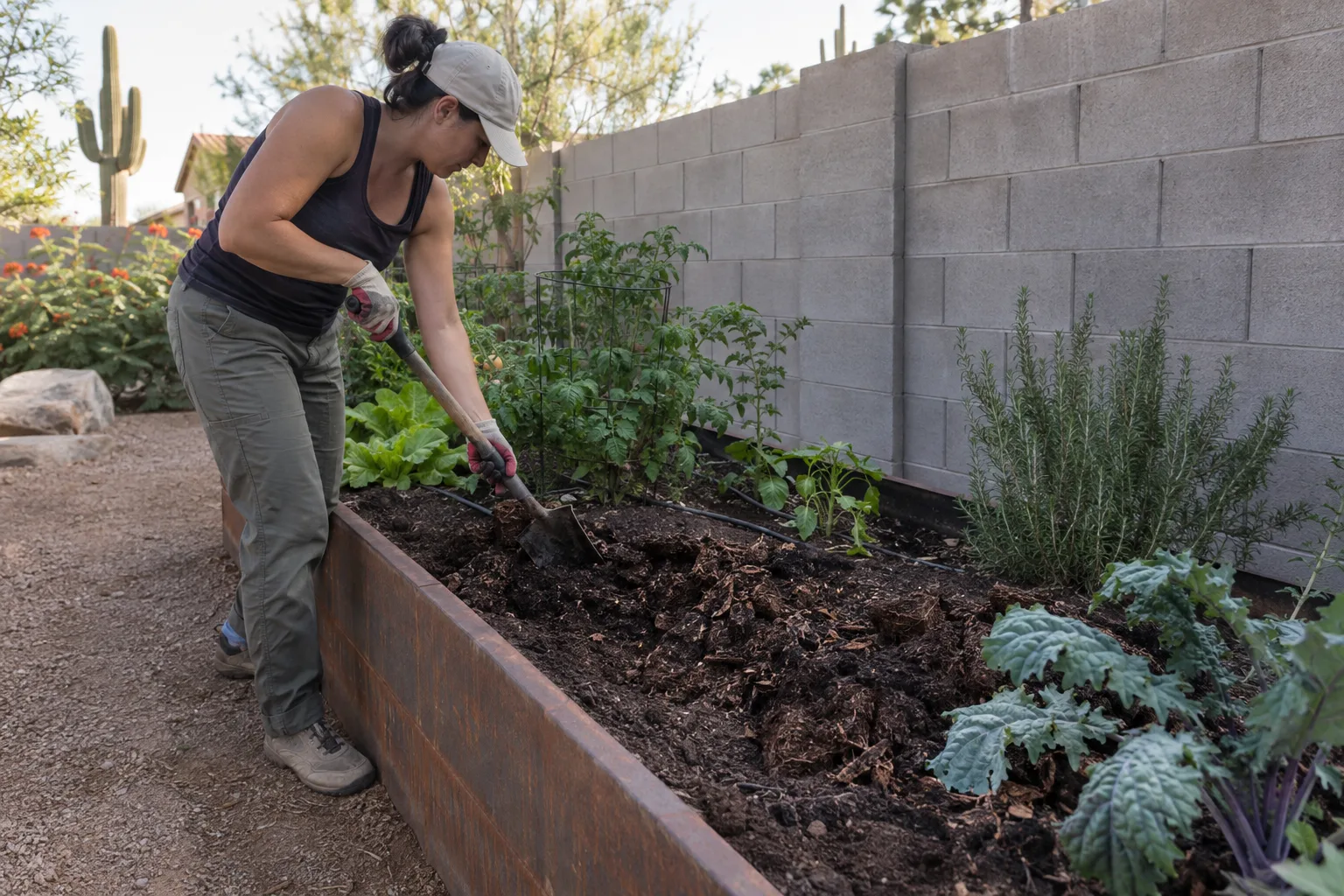
Work 3 to 4 inches of compost into the top 8 to 10 inches of your beds before anything goes in. Our native soil is alkaline, often above pH 7.5, and compost loosens clay while helping sandy spots hold water. It shifts pH only slowly, so pick plants that tolerate alkaline conditions.
Dig down about 12 inches in a few spots first. A hard, pale, chalky layer is caliche, and it blocks both drainage and roots, so a bed that looks fine on top can hold water like a bowl. Raised beds set on top of the caliche are the easiest fix for vegetables, and a tree hole should drain before you plant it. Test it.
Our gardening calendars lay out each month’s planting and care once your beds are ready.
What vegetables can I plant in the low desert in February?
Carrots, beets, radishes, Swiss chard, spinach, arugula, cilantro and dill can be sown from seed in February, while broccoli, cauliflower, cabbage, kale and lettuce go in as transplants. The University of Arizona Cooperative Extension vegetable planting calendar for Maricopa County lists planting windows crop by crop.
Set out the cabbage family early in the month so it matures before daytime highs climb through the 80s and 90s. Lettuce keeps going in through February, though by March it wants afternoon shade. Cilantro and dill bolt fast in warm weather, so sow them now. Bush beans can follow once nights stay above roughly 45°F, usually late in the month or in March.
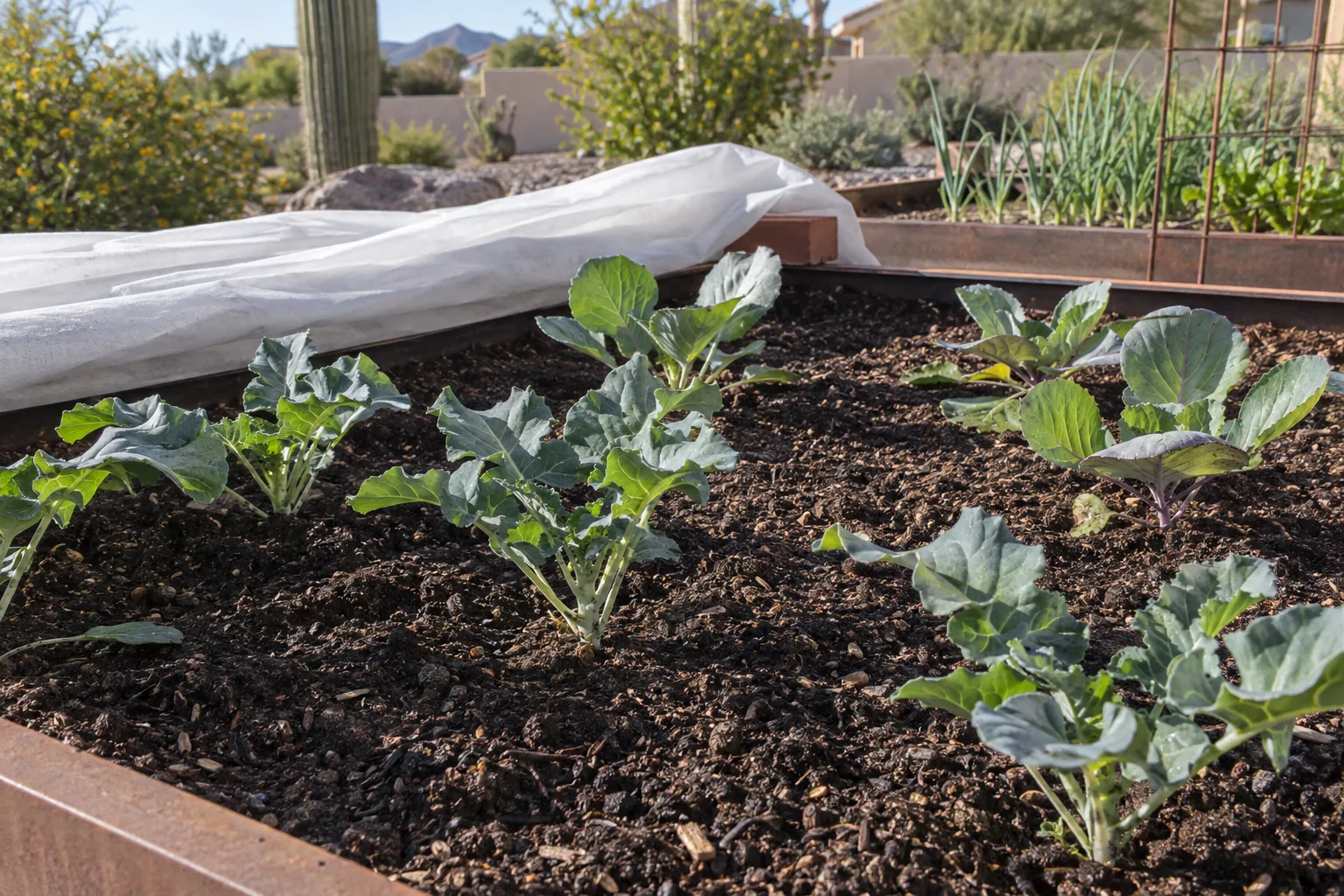
Frost is still possible in Queen Creek through at least mid-February, and cold pockets can see it later, so cover new transplants with frost cloth on any night forecast near 32°F. Keep the cloth by the door.
For color, snapdragons, pansies, violas, alyssum and sweet peas handle February cold and bloom into spring. Look through our annual flowers and foliage and our herbs, vegetables and berries for varieties we commonly carry, keeping in mind that availability changes week to week and season to season.
When should I prune roses in the East Valley?
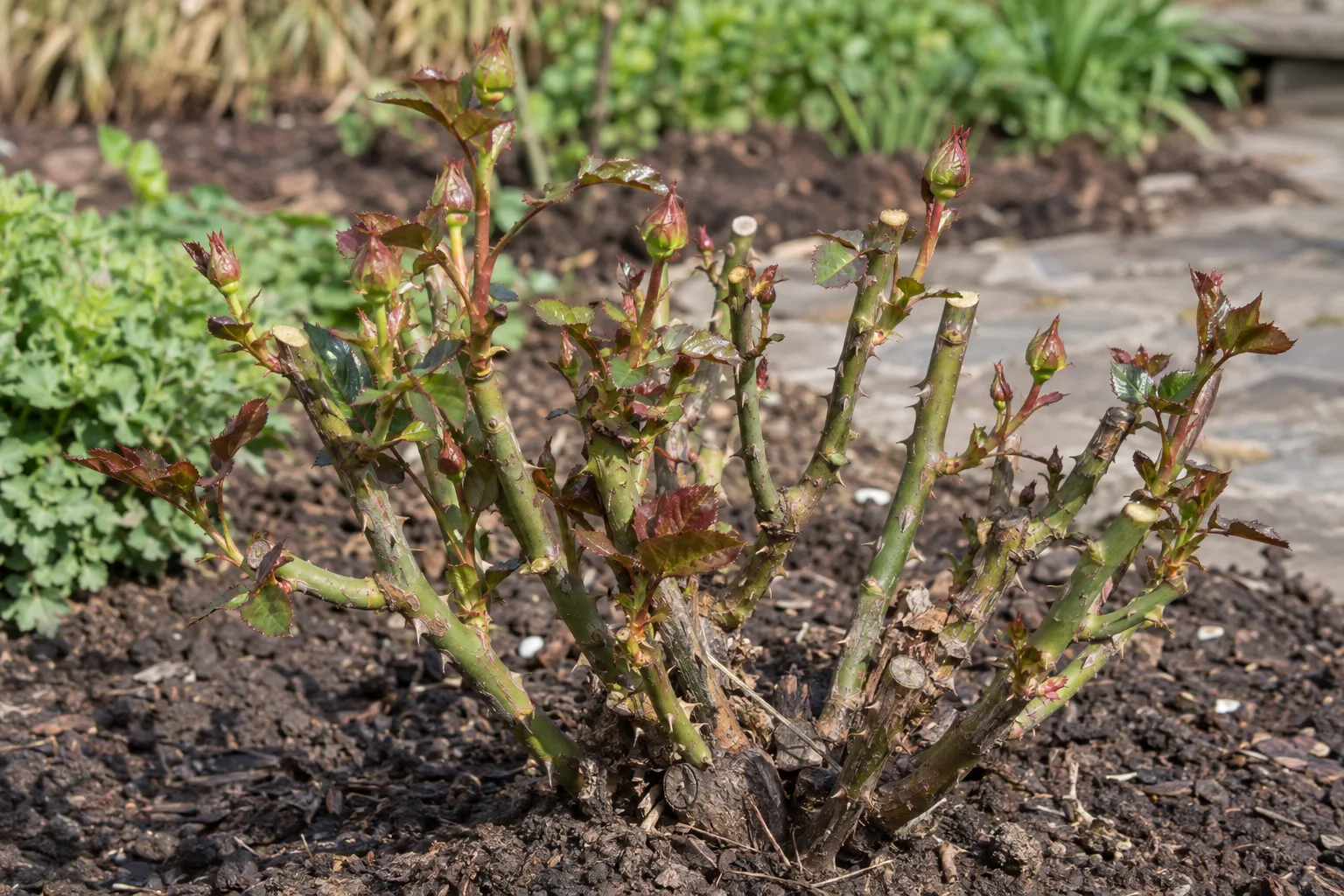
Prune roses around Valentine’s Day, through mid-February, once the buds start to swell. Hybrid teas, grandifloras and floribundas respond well to a hard cut, and the new canes bloom heavily in March and April.
Cut hybrid teas back to roughly 18 to 24 inches. Remove dead canes, crossing branches and anything thinner than a pencil, and make each cut at a slight angle just above an outward-facing bud. Wipe your pruners with rubbing alcohol between plants if you see any sign of disease. Shrubs with frost damage need a different approach.
Bougainvillea, natal plum and other frost-tender shrubs look dead after a freeze, but the green tissue under the bark tells the real story. Wait until new growth appears, often late February or March, then cut back to just above it. Cutting in January risks removing wood that would have recovered, and another freeze can still follow.
Leave palo verde, mesquite and acacia alone this month. They are better pruned after they flower, and pruning now can push tender growth that a late frost will burn.
Should I fertilize citrus and fruit trees in February?
Yes, but time citrus feeding for late February, after the worst frost risk has passed, because fertilizer pushes soft new growth that cold nights damage. Spread a citrus fertilizer on the soil under the canopy out to the drip line, follow the label rate for your tree size, and water it in deeply.
Leaves that turn yellow between green veins point to iron deficiency, which is common in alkaline soil. A chelated iron product made for high pH soils, such as the EDDHA form, works better here than regular iron. Check your watering as well, since soggy roots cause similar yellowing. Our citrus trees page shows the types we commonly carry.
Deciduous fruit trees such as peach, plum and apple can get their first feeding as buds swell, before the leaves open. Finish any dormant pruning in the first half of February so you can see the branch structure clearly. Our fruit trees department lists what we commonly carry, though availability changes with the season.
How do I get ahead of weeds before spring?
Hand-pull winter weeds now and, if you use a pre-emergent herbicide, apply it to cleared ground following the product label exactly. London rocket, sowthistle and similar cool-season weeds are setting seed in February, so every plant pulled now means fewer next year.
Pull after a watering, when the soil is soft, and get the whole taproot. A broken piece of London rocket root can re-sprout within days. Bag the seed heads instead of tossing them on the ground.
Pre-emergents are aimed at summer weeds such as spurge, puncturevine (goathead) and crabgrass, and the label and the University of Arizona Cooperative Extension are the authorities on timing and safe use. The product forms a barrier in the top inch of soil, so cultivating or planting afterward breaks it. Seeds you want to sow may also fail to sprout where a pre-emergent has been applied, so keep it away from seeded beds unless the label says otherwise.
How do I check my irrigation system in February?
Run each zone by hand and watch it work. Look for clogged emitters, broken risers, and spray heads that hit the sidewalk or pool water instead of covering the plants. A plant that looks stressed despite regular watering often has a clogged emitter at its base.
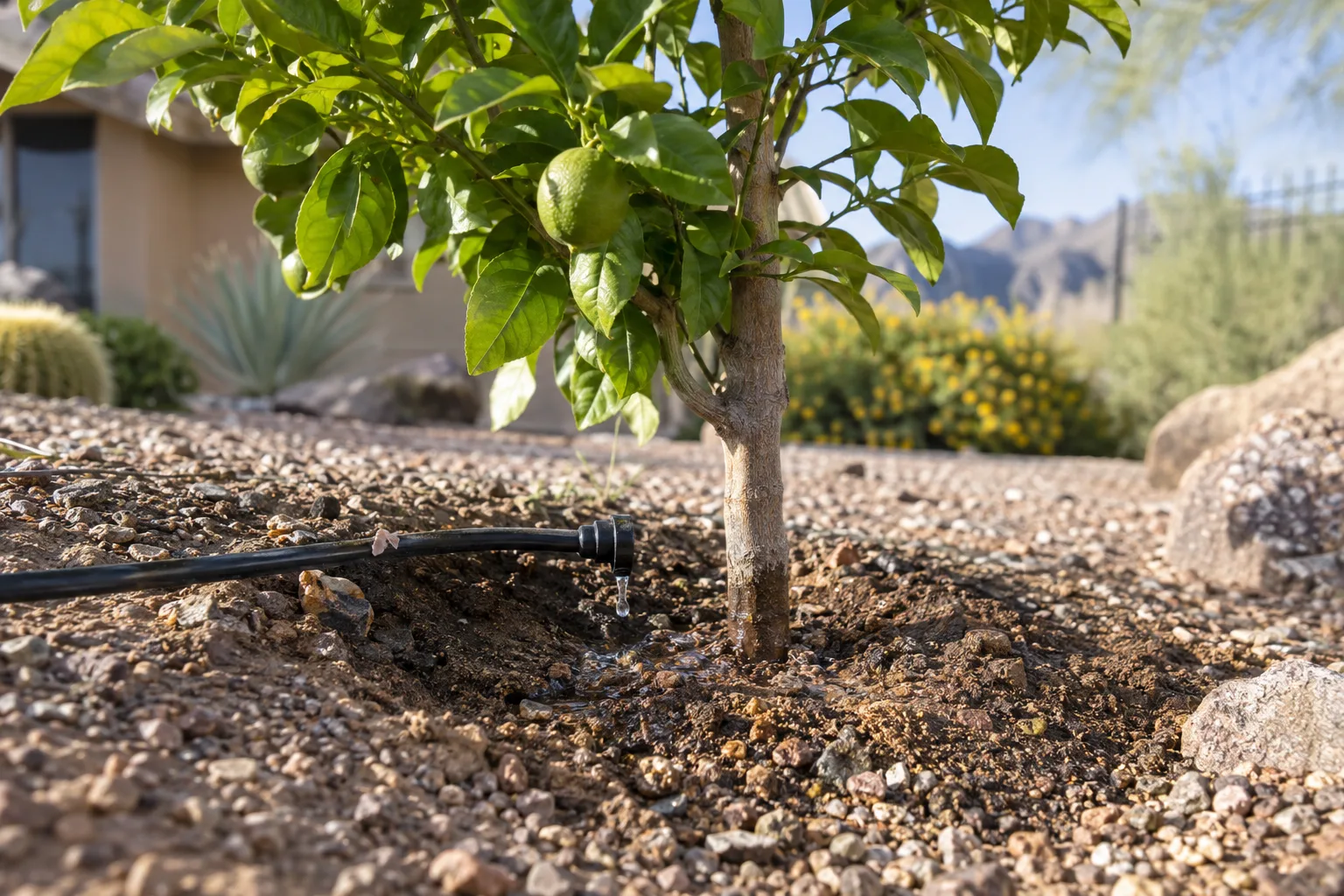
Then reset the controller, because many systems still run on a summer schedule that overwaters in winter cold. February run times often land around 30 to 50 percent of peak summer settings. Overwatering in cool weather is a common cause of root rot in low desert yards.
As a rough guide, established desert trees and shrubs need a deep soak only every 2 to 4 weeks in winter, and citrus can go about every 10 to 14 days. Vegetables and new transplants need more attention, so check the soil 2 to 3 inches down and water when it is dry at that depth.
Can I start tomatoes and peppers from seed in February?
Yes, start tomato and pepper seeds indoors in February and plan to move the plants outside in spring. Tomatoes need about 6 to 8 weeks of indoor growth first. Peppers germinate slower and want more warmth, so start them at the very beginning of the month.
Use a seed-starting mix in small cells or 4-inch pots, and set them on a heat mat at 75 to 80°F until they sprout. Seedlings then need strong light, and a grow light running 14 to 16 hours a day gives sturdier plants than a window does.
Tomatoes are damaged by temperatures below about 40°F and killed by hard frost, so wait until nights hold above roughly 50°F before they go outdoors, often mid to late March in the East Valley. Peppers and eggplant like even warmer soil, so they usually wait until early April.
Frequently asked questions
Can I plant trees and shrubs in February?
Yes, February is a good month for planting most low desert trees and shrubs, because roots get several mild months to establish before summer. Water new plantings often for the first couple of weeks, then taper to deeper, less frequent soaks. Wait on frost-tender tropicals such as hibiscus until frost risk has passed.
When should I stop planting cool-season vegetables?
Plan to finish planting most cool-season crops by about mid-March. After that, warming days push lettuce and spinach to bolt and make broccoli and cabbage bitter. Carrots and beets tolerate a little more warmth. Fast crops such as radishes and lettuce can be sown every two weeks through early March for a steady harvest.
Do native desert plants need fertilizer in February?
Established desert natives such as palo verde, brittlebush and desert marigold generally do not need fertilizer. They evolved in lean soil, and extra nitrogen produces soft growth that frost and pests damage more easily. Container plants are the exception, since regular watering washes nutrients out. For plants in the ground, mulch and correct watering cover February care.
How often should I water in February?
Most established plants need far less water than in summer, often every 2 to 4 weeks for desert trees. Use the soil as your guide and check it a few inches down before watering. Rainfall, shade and soil type all change the answer. Container plants dry faster and may need water every few days.
Where can I learn more before planting?
Our classes and events page lists hands-on sessions for local gardeners. For planting windows by crop, the University of Arizona Cooperative Extension calendar linked above is the reference we point people to, and it applies to Maricopa County conditions.
Is February the right month to do all seven tasks?
For most East Valley gardeners, yes, because each job gains from the cool weather and loses value once summer heat arrives. Vegetable growers and rose or citrus owners will use all seven. If your yard is mostly established desert plants and gravel, you can skip the vegetable, fertilizing and seed-starting jobs and just check irrigation and pull weeds. Come by our nursery in Queen Creek and we will help you plan your spring garden.
