
The eight March garden tasks that matter most in Arizona are frost cleanup, selective pruning, fertilizing, planting warm-season crops and color, tuning irrigation, pulling weeds, and topping up mulch. Do them while days are still mild.
Key takeaways
- Wait for new growth, usually mid to late March, before cutting frost-damaged stems back to live wood.
- Get tomato transplants in by about mid March so fruit sets before daytime highs reach the mid 90s.
- Spread 3 to 4 inches of organic mulch around trees and shrubs, and keep it a few inches off the trunk.
- Run every drip zone by hand and check each emitter, since hard water clogs them over time.
- Pull winter weeds such as London rocket and filaree before they flower and set seed.

How do I tell frost damage from dead wood in March?
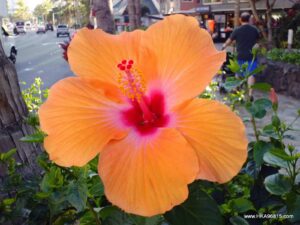
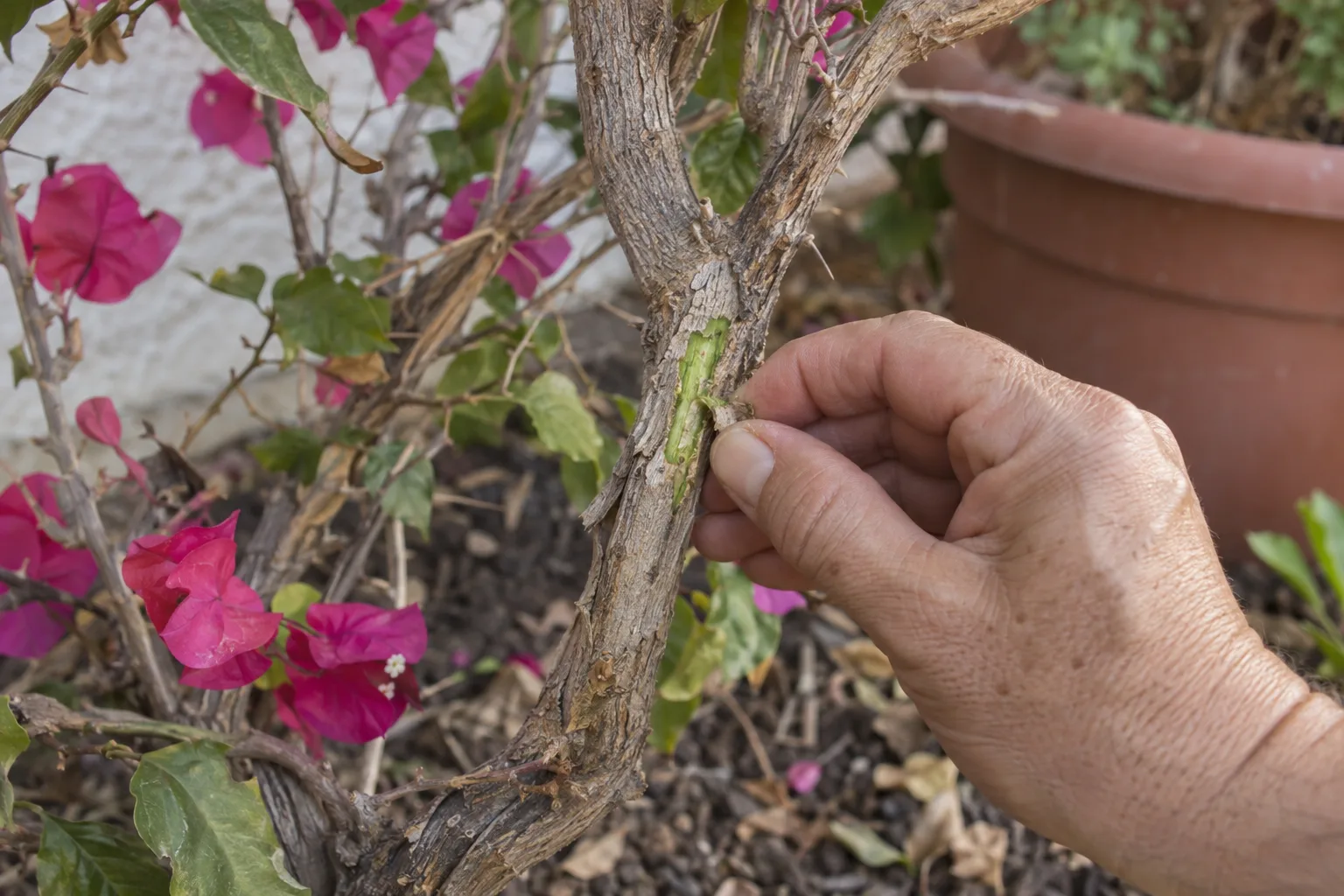
Scratch a small patch of bark with a fingernail. Green tissue underneath means the stem is alive, and brown and dry means it is dead. Winter lows in the upper 20s and low 30s reach Queen Creek and the rest of the East Valley in some years, so Bougainvillea, citrus and tropical hibiscus often show blackened tips by early spring. Green means alive.
Hold your pruners until new growth appears, which usually happens in mid to late March depending on your yard and how cold the low spots get. Cutting earlier risks removing wood that would have leafed out, and a late cold night can burn fresh cuts. Once buds swell, trim back to the first live wood.
March is also the time to pull spent winter annuals such as pansies, petunias and snapdragons that have turned leggy. Rake leaves and debris from around trees and shrubs, and refill any gravel that winter wind pushed aside. Our gardening calendars lay out the rest of the year if you want to plan ahead.
What should I prune in March, and what should wait?
Prune dead wood, ornamental grasses and light shaping only, and wait on anything that is blooming or about to bloom. Spring-flowering plants set buds during winter, so a heavy cut now removes this year’s flowers.
Prune now
- Ornamental grasses: cut them to about 4 to 6 inches before new blades push through, so fresh growth is not buried in last year’s dry leaves.
- Frost-damaged stems: once you have confirmed what is dead, cut back to live wood.
- Roses: remove dead or crossing canes and shape lightly. Heavier pruning is best done earlier in winter.
Leave for later
- Palo verde (Parkinsonia) and other spring bloomers among our desert trees: wait until the flowers fade before shaping.
- Brittlebush (Encelia farinosa) and yellow bells (Tecoma stans): tidy them after bloom.
- Citrus: remove only dead wood now, and save structural cuts for after bloom and harvest are finished.
- Bougainvillea: wait until new growth is clearly underway, then shape lightly.
If you are unsure whether a shrub flowers on old wood or new wood, wait until it finishes blooming, because a late trim costs you a few weeks while an early one can cost you the whole show. Waiting costs little.
Should I fertilize in March?
Yes for most trees, shrubs and roses, because plants are pushing new roots and leaves and can use the nutrients. Hold off on Bermuda grass until it has greened up on its own, usually in April.
For citrus trees (Citrus), choose a citrus fertilizer that includes micronutrients, spread it beneath the canopy rather than against the trunk, and water it in well. Our alkaline soil ties up iron and zinc, and the usual sign is yellow leaves with green veins. Chelated iron helps correct it.
Roses respond to a balanced granular rose food applied after pruning. Palms do better with a palm-specific fertilizer that includes magnesium and potassium, since general formulas can leave those short. Follow the label rate, because extra fertilizer burns roots. Once highs approach 100°F, growth slows and the bag is better left on the shelf until fall.
Which vegetables can I plant in March?
Set out tomato, pepper and eggplant transplants, and sow beans, squash, cucumbers, melons, corn and okra. Soil is warm enough for seed to sprout, and plants get a few weeks to establish before summer heat arrives.
The University of Arizona Cooperative Extension publishes a vegetable planting calendar for Maricopa County with crop-by-crop windows, and it is worth checking before you buy. Many of these crops are varieties we commonly carry as transplants, and availability changes week to week and season to season. You can browse our herbs, vegetables and berries to see what is on offer.
| Crop | Typical March approach | Note |
|---|---|---|
| Tomatoes | Transplants, early to mid March | Fruit set slows when highs pass the mid 90s |
| Peppers and eggplant | Transplants, March into April | Tolerate more heat than tomatoes |
| Squash and cucumbers | Seed or transplants, March | Need steady water |
| Beans and melons | Seed, March into April | Warm soil speeds germination |
| Okra | Seed, late March onward | Keeps producing in midsummer heat |
Tomatoes are the most time-sensitive crop. Flowers drop fruit when daytime highs pass the mid 90s and nights stay above the mid 70s, so transplants that go in by about mid March have time to flower and set fruit first. Cherry types and varieties labeled heat-tolerant generally keep setting fruit longer into spring than large beefsteaks.
What flowers and shrubs can go in the ground in March?
Warm-season color plants and heat-tolerant shrubs go in well in March, because their roots establish in mild weather before July. These are types we commonly carry, though availability changes week to week and season to season.
- Lantana (Lantana camara): blooms from late spring into fall in full sun and handles reflected heat from walls. It can freeze back in cold winters and grows large.
- Angelita daisy (Tetraneuris acaulis): a low native perennial with yellow flowers and very low water needs once established. It looks sparse in heavy, wet soil.
- Pentas (Pentas lanceolata): draws hummingbirds and butterflies through the warm season. It wants regular water, afternoon shade in the hottest spots, and frost protection.
- Blanket flower (Gaillardia): blooms heavily in spring and fall and tolerates drought. It can look tired in midsummer.
- Vitex (Vitex agnus-castus): a multi-trunk small tree or large shrub with lavender flower spikes in late spring and summer, and good tolerance of alkaline soil. It drops its leaves in winter.
Dig each hole as deep as the root ball and two to three times as wide, then refill with native soil mixed with a modest amount of compost. If you hit caliche, the whitish, cement-like layer common in our soil, break through it or drill drainage holes, and test the hole by filling it with water to see how quickly it drains. You can see more choices on our plants page.
How do I get my drip system ready for summer?
Run each zone by hand and check every emitter, then raise run times in small steps as temperatures climb. A system that suited winter often falls short by May.
- Turn on each zone and walk it, looking for clogged emitters, cracked lines and emitters that have drifted away from the root zone.
- Clean or replace the filter at the head of the system, since our hard water leaves mineral deposits that clog filters and emitters.
- Match emitters to plant size, because a shrub planted from a 1-gallon pot a few years ago now needs more water, often from several emitters spaced around the drip line instead of one at the stem.
- Place an emitter within a few inches of the root ball of every new plant.
- Add a few minutes to each cycle, then probe the soil 6 to 8 inches deep a day or two after watering to see whether moisture is reaching the roots.
- Write down your zone run times and emitter layout so you have a baseline if a plant struggles in July.

By June, many yards do better with two shorter cycles a day, which lets water soak through caliche without running off. Plan for that now so the controller is ready.
Pull winter weeds before they set seed
Pull or hoe them now, because London rocket, sowthistle and filaree are flowering and each plant can drop a large amount of seed for next winter. Wet soil releases roots easily, so water the area the day before and the plants come out whole. Weeds already in flower belong in the trash rather than the compost pile, since the seeds can survive. Timing matters here. Skip this job and next winter’s crop of weeds gets larger.
Top up mulch to 3 to 4 inches before the heat arrives
Spread organic mulch such as shredded wood or bark to a depth of 3 to 4 inches around trees and shrubs. It holds moisture, shades the soil and slows weeds as temperatures climb. Winter wind and decomposition thin the layer, so most yards need a top-up by March.
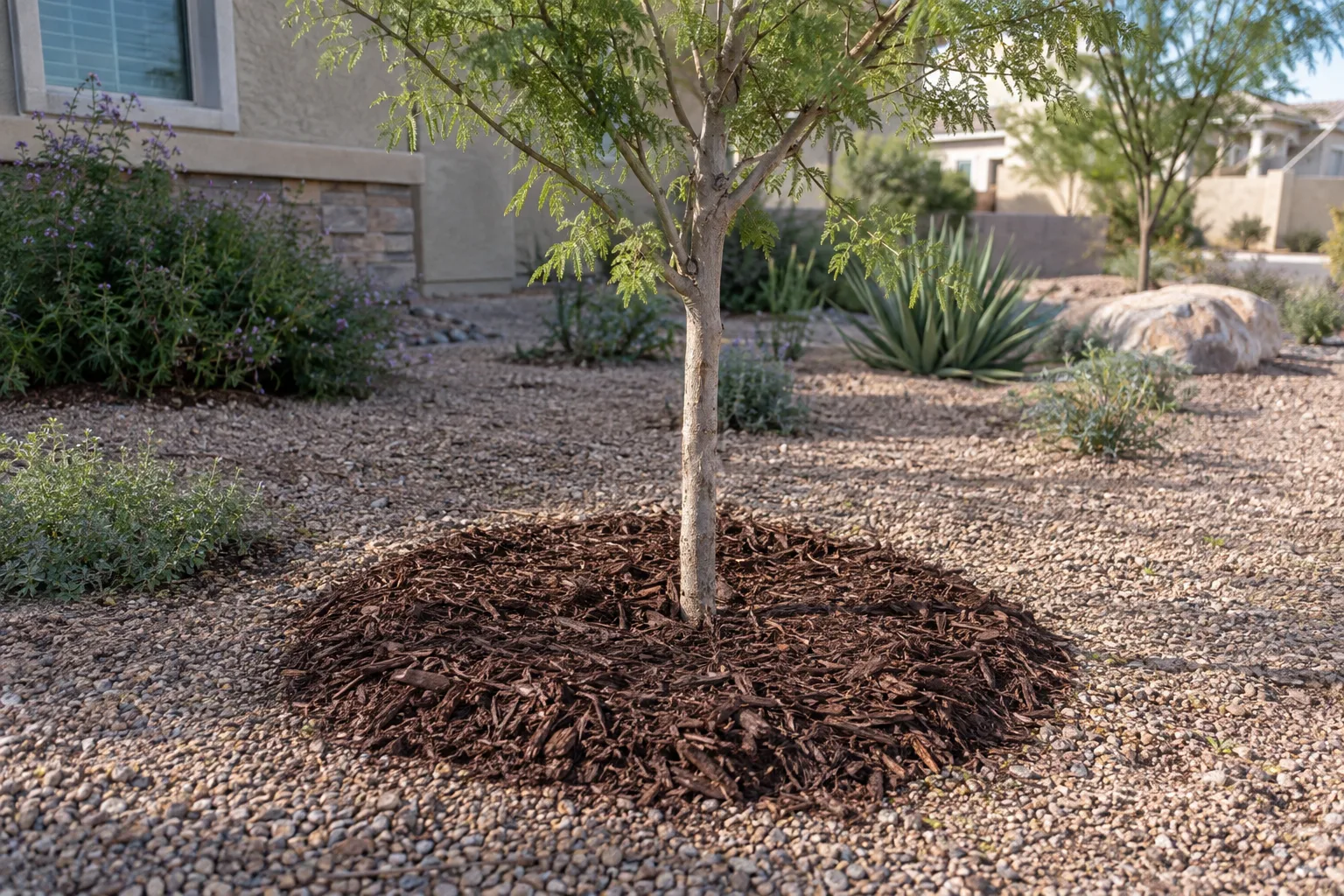
Pull mulch back a few inches from every trunk, forming a donut rather than a volcano, because mulch piled against bark stays damp and invites rot. In vegetable beds, straw between rows keeps roots cooler and cuts soil splash, which spreads soilborne disease.
Frequently asked questions
When should I stop planting cool-season vegetables?
Stop planting new cool-season vegetables by about February, and pull any that start to bolt in March. Lettuce, spinach and broccoli send up flower stalks and turn bitter once days reach the low 80s. Harvest what is still good, clear the bed, and use the space for warm-season crops.
Should I amend the soil before planting?
Yes, work 2 to 3 inches of compost into vegetable beds before planting. Low desert soil is alkaline, often with a pH around 7.5 to 8.5, and low in organic matter, so compost improves drainage and water holding. For shrubs and trees in the ground, blend only a modest amount of compost with native soil, and use little or none for desert natives.
Can I plant Bermuda grass in March?
Bermuda sod can go in during March, but seed should wait until soil stays above about 65 to 70°F, usually late March or April. Seed sown into cold soil germinates slowly and leaves gaps for weeds. Sod roots in as the weather warms, so it gives faster coverage if you want a green lawn by summer.
How often should I water new shrubs in March?
Water new shrubs every few days at first, checking the soil about 4 inches down before each watering. Roots are still confined to the original root ball, so the soil there dries faster than the surrounding yard. Once new growth is visible, stretch the interval gradually, and expect established shrubs to need deeper, less frequent watering by summer.
Should I think about monsoon prep in March?
Yes, March is a good time to check drainage, because the monsoon runs roughly from July through September and can drop heavy rain in short bursts. Walk the yard after an irrigation cycle to spot pooling, low areas near foundations and runoff entering from neighboring lots, and inspect block walls and bed borders for cracks you can repair before summer.
Which March tasks should you do first?
Start with irrigation and frost cleanup, because every other job depends on knowing which plants are alive and getting water. Tomato planting comes next, since its window closes earliest. If your yard is mostly established desert natives on a working drip system, you can skip fertilizing and most planting and still be in good shape. Renters with a few pots can limit the list to watering and mulch. Stop by our nursery in Queen Creek and talk through your yard with our staff.