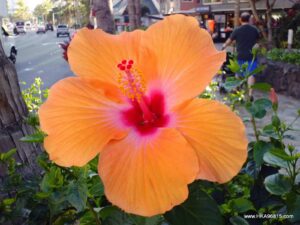

The best container plants for Arizona heat are agave, aloe, desert rose, bougainvillea, lantana, portulaca, euphorbia and Texas ranger, grown in well-draining pots of 15 gallons or more. Most need water every 3 to 14 days in summer.
Key takeaways
- Use pots of 15 gallons or more for most of these plants, and 25 gallons for bougainvillea and Texas ranger.
- In summer, water agave and euphorbia about every 10 to 14 days, and lantana and bougainvillea every 3 to 5 days.
- Cut watering roughly in half from October through February, then ramp back up from March to May.
- Fill pots with a fast-draining cactus mix cut with perlite, because native soil with caliche packs down and holds water.
- During the monsoon (July through September), skip irrigation after storms and move succulents under cover if the soil stays wet.

What size pot works best for container plants in Arizona heat?
Pick a pot of 15 gallons or more for most of these plants. A small 6 to 10 inch pot in full sun can dry out in a day, and the soil inside can heat well past the air temperature once summer highs climb above 110°F.
Large pots hold steadier moisture and temperature, so a missed watering does less damage. Choose pots with several drainage holes rather than one small one.
Material changes how fast the soil dries. Unglazed terracotta wicks moisture through its walls, so it dries quickly in summer unless you set a plastic pot inside it. Glazed ceramic and light-colored plastic hold water longer. Dark plastic in direct western sun can overheat the root zone, and fabric grow bags dry out fastest, so size those up. You can browse pottery and planters to compare finishes and sizes in person.
Which container plants handle Arizona heat best?
These eight are the ones we point to for low-water pots on a hot patio. They are varieties we commonly carry, though availability changes week to week and season to season. If you want more options, look through all plants and ask us what suits your exposure.
Agave (Agave parryi and Agave victoriae-reginae)
These compact agaves stay roughly 1 to 3 feet tall and wide in a 15 to 25 gallon pot. They take full sun to light afternoon shade and need water about every 10 to 14 days in summer. Drainage matters more than anything else, so use a gritty mix. The drawback is the sharp terminal spine, so keep them away from walkways and play areas.

Aloe (Aloe vera)
Aloe forms clumps about 1.5 to 2 feet tall in a 10 to 15 gallon pot. Give it morning sun and afternoon shade, and water every 7 to 14 days in summer. Leaves turn orange or brown under all-day western sun. It also shows damage in a hard frost, so cover it on freezing nights.
Desert rose (Adenium obesum)
Desert rose develops a swollen base and pink, red or white flowers, usually reaching 2 to 4 feet in a pot. It wants full sun, at least 6 hours, and a shallow, wide container. Water every 5 to 7 days in summer after the soil dries. The drawback is cold: protect it when nights approach 40°F. Its sap is toxic, so keep it away from pets and children.
Bougainvillea (Bougainvillea hybrids)
Bougainvillea can reach 6 to 15 feet if left alone, but pruning keeps a potted plant at roughly 3 to 6 feet. Use a 25 gallon pot and full sun. Water every 3 to 5 days in summer, and let the soil dry a little between drinks, since a slightly dry plant colors up better. Expect thorns, dropped bracts to sweep up and leaf loss in a hard frost.
Lantana (Lantana camara and Lantana montevidensis)
Lantana grows 1.5 to 4 feet tall depending on the variety, and trailing types spill nicely over a pot rim. Use a pot of at least 10 gallons in full sun, and water every 3 to 5 days in summer. It keeps blooming through the heat and draws pollinators. The drawback is frost dieback, so plan to cut it back in late winter.
Moss rose (Portulaca grandiflora)
This low annual stays about 6 inches tall and spreads 12 inches or more, which makes it a good filler around taller plants or alone in a shallow bowl. It wants full sun and water every 3 to 5 days in summer. Flowers close in shade or low light. As an annual, it fades with cold weather, and you will replant it each year. See our annual flowers and foliage for other heat-loving color.
Euphorbia (Euphorbia milii and Euphorbia tirucalli)
Crown of thorns (E. milii) stays around 2 to 3 feet and blooms for much of the year. Firesticks (E. tirucalli) grows taller, with pencil-thin stems that turn orange and red in cool weather. Both like full sun and water every 10 to 14 days in summer. The milky sap irritates skin and eyes, so wear gloves and eye protection when you prune or repot.
Texas ranger (Leucophyllum frutescens)
In the ground this shrub reaches 4 to 8 feet, and a 25 gallon pot holds it to a smaller size, roughly 3 to 5 feet. It takes full sun and water about every 7 to 10 days in summer. Silver-gray leaves look good all year, and flowers often follow humid or rainy weather. The drawback is that it hates wet roots, so fast drainage is required.
How often should I water container plants in summer?
Plan on every 3 to 14 days from June through September, depending on the plant. Pots dry faster than ground soil because the roots are confined and the pot absorbs heat, so check the soil rather than the calendar.
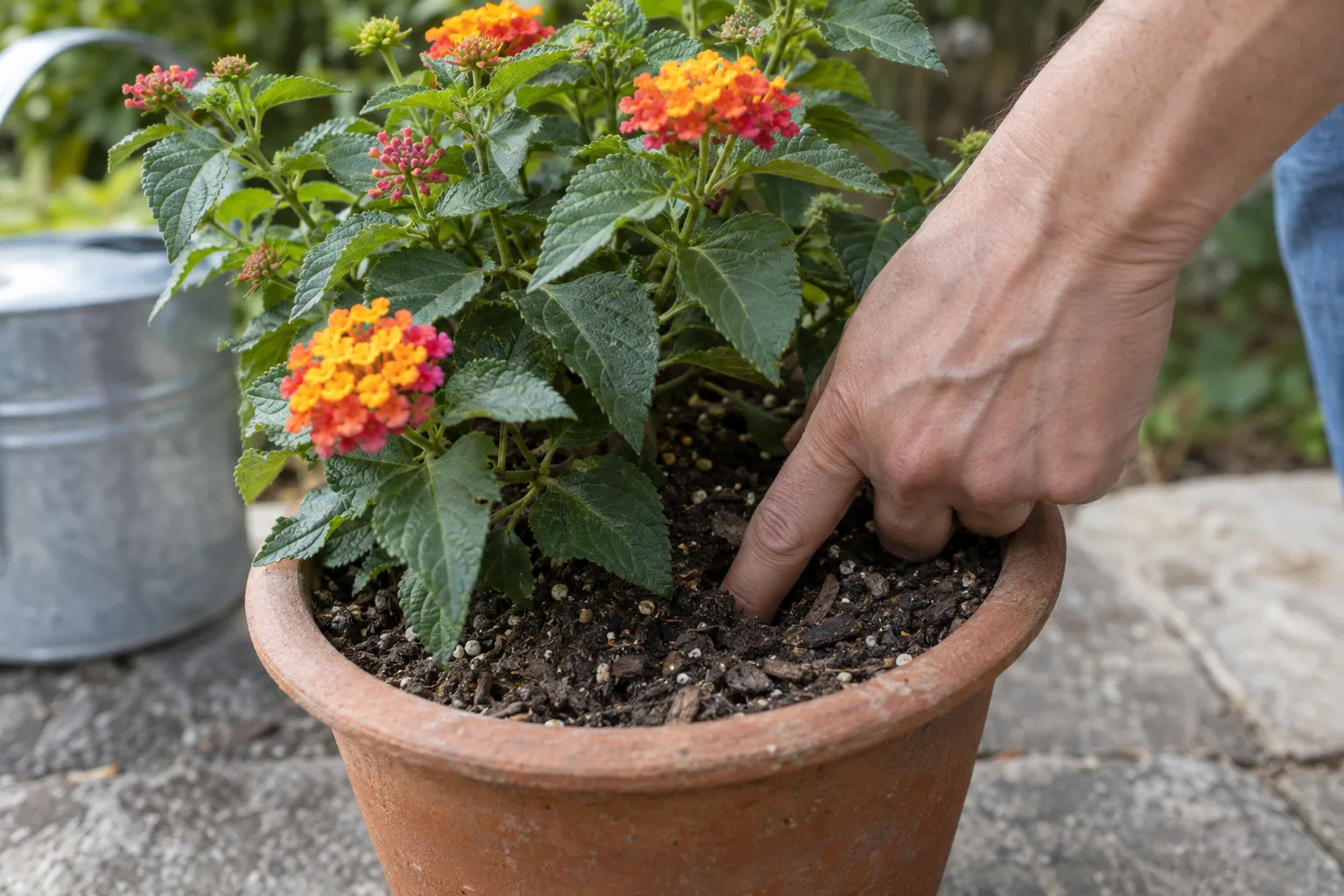
Push a finger 2 inches into the soil. If it feels cool and damp, wait a day or two. If it is dry and warm, water slowly until it runs out the drainage holes.
| Plant | Summer watering | Light |
|---|---|---|
| Agave | Every 10 to 14 days | Full sun to light shade |
| Euphorbia | Every 10 to 14 days | Full sun |
| Texas ranger | Every 7 to 10 days | Full sun |
| Aloe | Every 7 to 14 days | Morning sun, afternoon shade |
| Desert rose | Every 5 to 7 days | Full sun |
| Lantana | Every 3 to 5 days | Full sun |
| Bougainvillea | Every 3 to 5 days | Full sun |
| Moss rose | Every 3 to 5 days | Full sun |
From October through February, cut each interval roughly in half, since succulents may need water only every 3 to 4 weeks. In March to May, step back up as highs climb. Our gardening calendars help you time those changes.
What potting mix works for containers in the low desert?
Use a cactus and succulent mix with extra perlite or pumice. For agave, aloe, desert rose and euphorbia, a roughly 50/50 blend of cactus mix and perlite drains quickly. For lantana, bougainvillea and moss rose, try about 70% potting mix to 30% perlite.
Avoid filling pots with native soil. It is alkaline, heavy and often full of caliche, and in a pot it compacts and holds water around the roots.
Our irrigation water is hard, so salts build up in container soil over time. Every 2 to 3 months, water slowly until it drains for several minutes to flush them out. If new leaves turn yellow between the veins, the cause can be iron that the plant cannot take up in alkaline soil, so ask us about a suitable product.
Mix a slow-release granular fertilizer in at planting. From March through October, add a liquid feed every 4 to 6 weeks, and stop in winter. Go light on nitrogen in late summer, because soft new growth is the first to burn in a frost.
Where should I place containers on a hot patio?
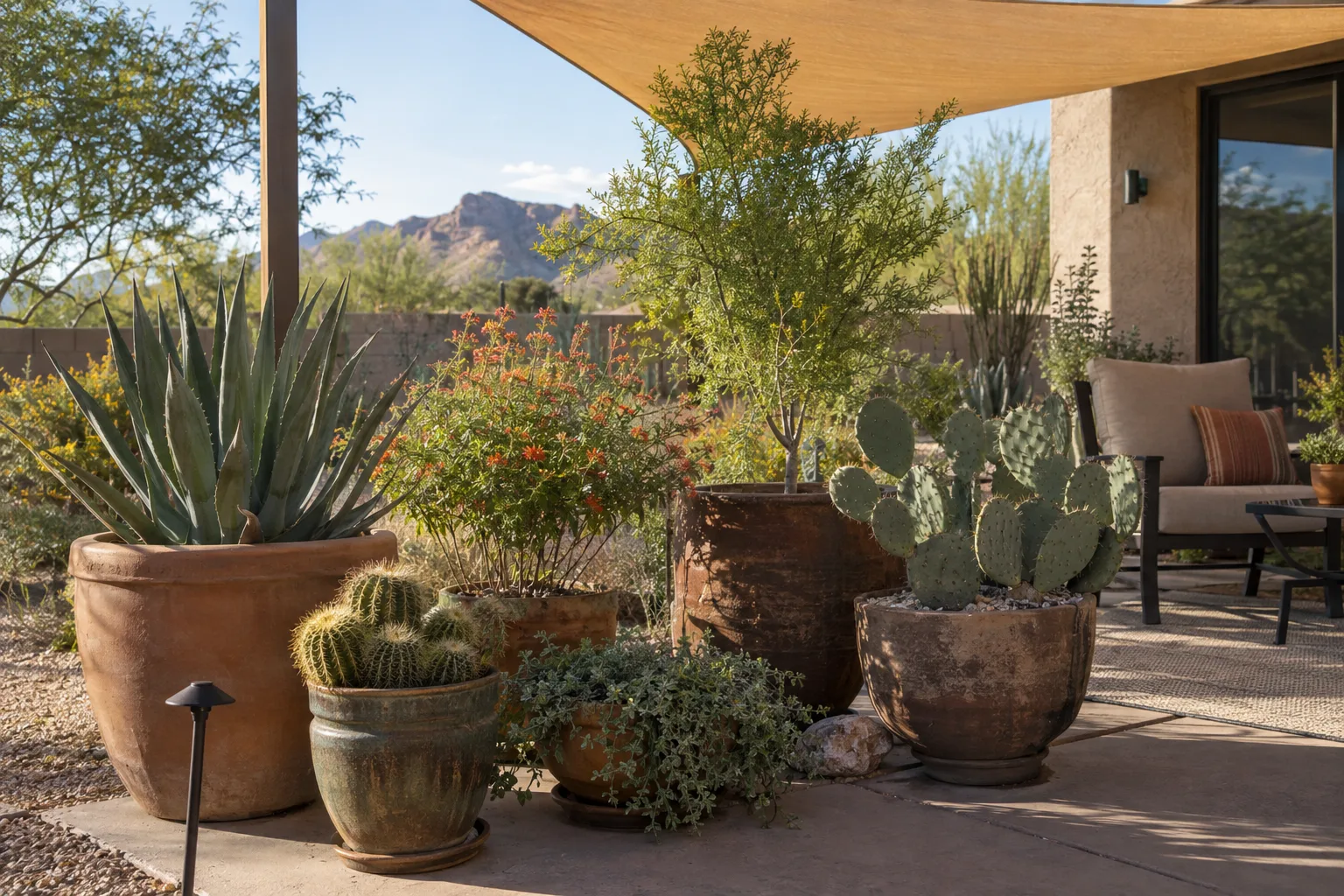
Put them where they get morning sun and some afternoon shade, with a west wall at their back only if the plant is a full-sun type. West-facing walls and paving bounce heat back at the pot, and surfaces there can pass 115°F in July and August.
Keep pots a foot or more away from block, stucco and concrete so air can move around them. Grouping pots close together shades the soil surface and slows evaporation.
Aloe does best under a tree canopy or a shade sail in the afternoon. Bougainvillea, lantana, desert rose, Texas ranger and moss rose want 6 or more hours of direct sun, so give them the brightest spot that avoids the harshest afternoon exposure.
How do I protect containers during the monsoon?
Check pots after every storm and skip irrigation while the soil is still wet. The monsoon runs roughly July through September, and warm, damp soil is when succulents and agave are most likely to rot at the roots.
If a storm drops an inch or more of rain, slide lightweight pots under a patio cover until they drain. Raise pots on pot feet so water does not pool beneath them.
Dust storms can leave a film of dust on leaves. Rinse foliage with clean water after one passes to restore light to the leaf surface.
Frequently asked questions
Can container plants stay outside all winter in the East Valley?
Most can stay out, but desert rose needs protection when nights approach 40°F. Agave, Texas ranger and euphorbia usually handle typical East Valley winters, while bougainvillea, lantana and aloe can show leaf or tip damage in a hard frost. Check the forecast, and cover or move tender pots on nights near freezing.
How can I tell overwatering from underwatering?
Check the soil and roots. Overwatered pots hold soggy soil, with soft, dark roots and sometimes a sour smell, and lower leaves yellow and go limp. Underwatered pots are dry all the way through, with crisp leaf tips and shrunken growth. Succulents in particular tend to fail from too much water.
How often should I repot these plants?
Every 3 to 5 years is enough for slow growers such as agave and desert rose. Repot sooner if roots push out of the drainage holes or the soil dries in under a day after a deep soak. Move up only one pot size at a time, since an oversized pot holds more wet soil than the roots can use.
How do I water pots while I am traveling?
Put pots on drip irrigation with a timer. For trips of 5 to 7 days in summer, grouping pots in shade cuts evaporation, and established agave and aloe often need no help. Reservoir pots suit thirstier plants like lantana, but confirm the reservoir lasts through your trip in 110°F heat.
Are low-water container plants right for your patio?
Yes, if you can give them sun, a large pot and fast-draining soil. These eight plants add color and structure through July and forgive a missed watering. Skip them if your spot is deep shade, if you want a lush tropical look, or if spines, thorns and irritating sap near walkways and small children worry you. In those cases, a different plant will suit you better. Stop by our Queen Creek nursery and we will help you match a plant to your patio.