Flowering plants that come in many colors and hold up in the Arizona low desert include lantana, bougainvillea, vinca, angelonia, yellow bells and tropical hibiscus. Some carry color straight through July. Others take over from October to April, so the fullest yards plant from both groups.
Key takeaways
- Lantana, bougainvillea and Tecoma are the toughest landscape shrubs on this list, and all three bloom through summer in full sun.
- Vinca, angelonia, portulaca and globe amaranth are the summer bedding plants. Petunias, snapdragons, geraniums and dianthus take over from October through April.
- Queen Creek and most of the East Valley are rated USDA Zone 9b, which means the coldest winter night averages 25 to 30°F. The rating says nothing about July.
- Bougainvillea, tropical hibiscus, pentas and lantana can all be burned by frost, so plan to cover them or expect some dieback after the coldest nights.
- Lantana berries and vinca are listed as toxic to pets by the ASPCA, so place them with that in mind.
What does Zone 9b mean for flowering plants in Phoenix and Queen Creek?
Zone 9b tells you a plant should survive our winters, and that is all it tells you. USDA hardiness zones are built from the average coldest night of the year. Queen Creek, San Tan Valley and most of the East Valley are rated 9b, and the warmer parts of Phoenix are rated 10a.
A plant tag marked "Zones 9 to 11" was tested for cold. The same tag sells in coastal California and Florida, where a summer afternoon tops out 20 or 30 degrees cooler than ours. Judge a plant by where it will sit in your yard. An east-facing bed with afternoon shade and a west-facing block wall with gravel at its feet are two very different places, even ten feet apart.
Our gardening calendars lay out what to plant each month, and you can browse everything in our plants department.
Which 15 plants give the most color choices in the low desert?
Lantana, bougainvillea, angelonia, vinca, pentas, Tecoma, portulaca, salvia, ruellia, tropical hibiscus, gazania, verbena, zinnia, plumbago and canna are the fifteen we would start with. These are varieties we commonly carry, though availability changes week to week and season to season. Sizes are typical ranges and vary by variety and site.
1. Lantana (Lantana camara and Lantana montevidensis)
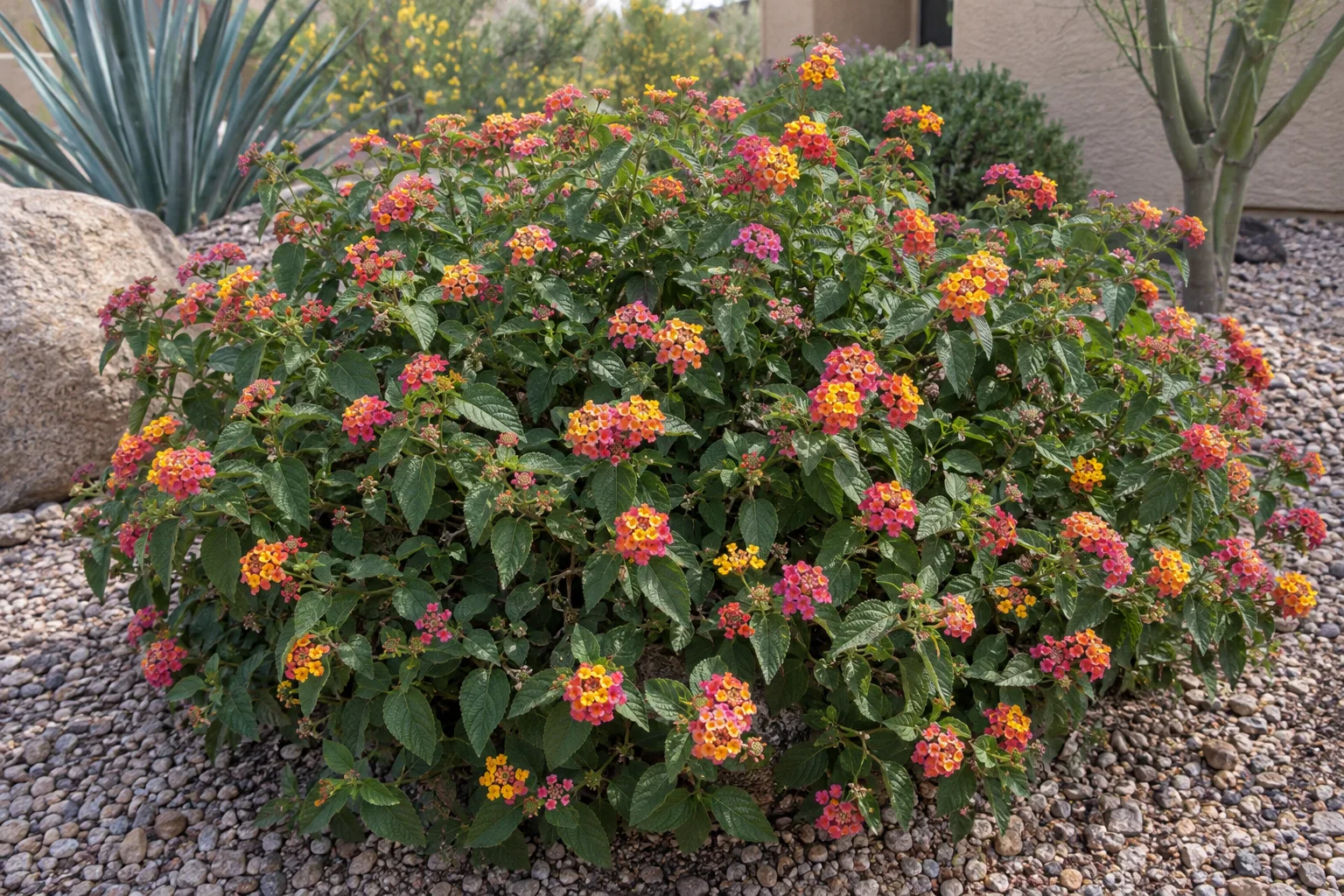
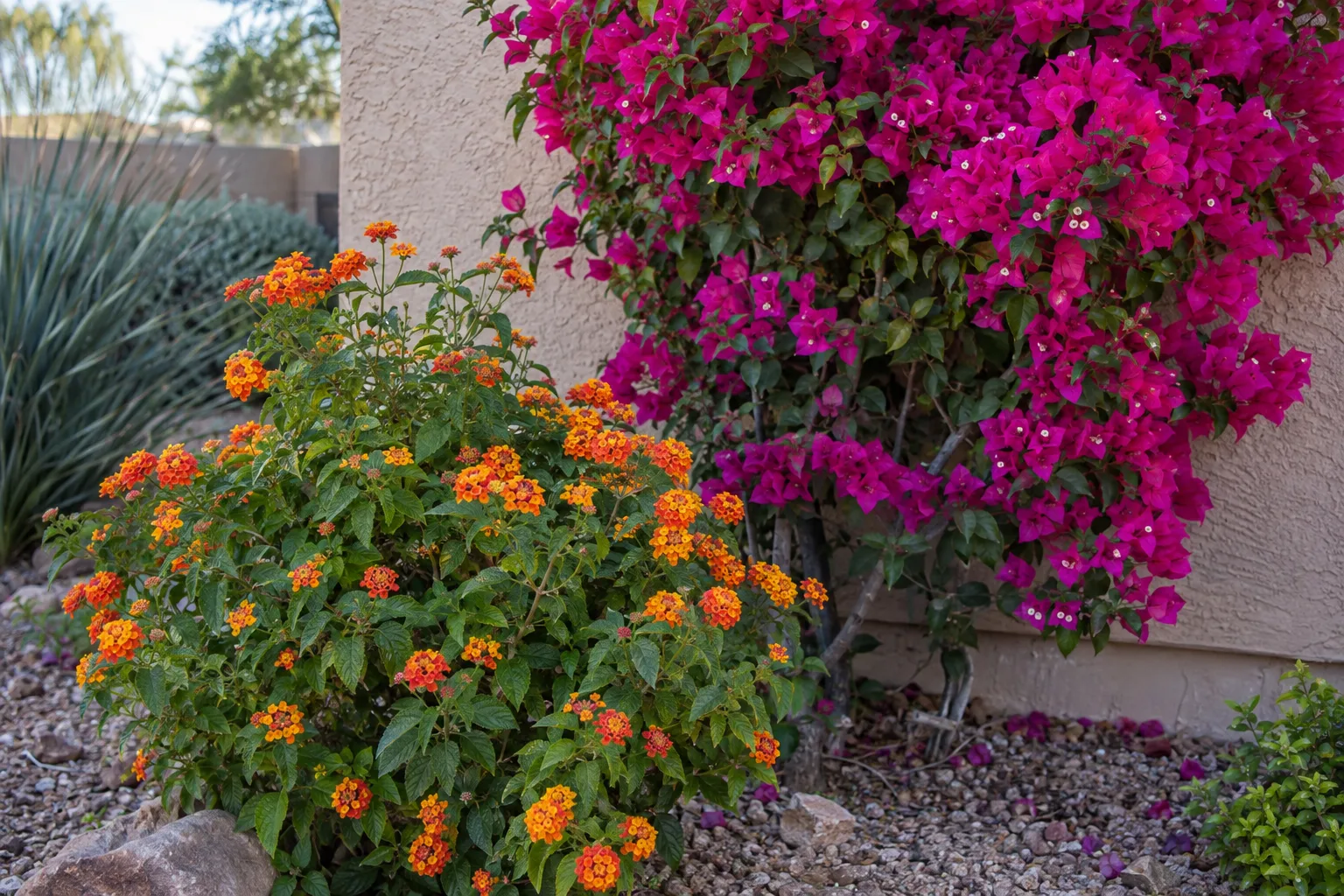
Colors: yellow, orange, red, pink, purple, white and multicolor clusters that shift shade as they age. Mounding types reach 2 to 4 feet, and trailing types stay 1 to 2 feet tall while spreading several feet wide. Lantana takes full sun and reflected heat and blooms from spring until frost. The drawbacks are frost dieback, which you cut out in March, and berries that are toxic to pets.
2. Bougainvillea (Bougainvillea hybrids)
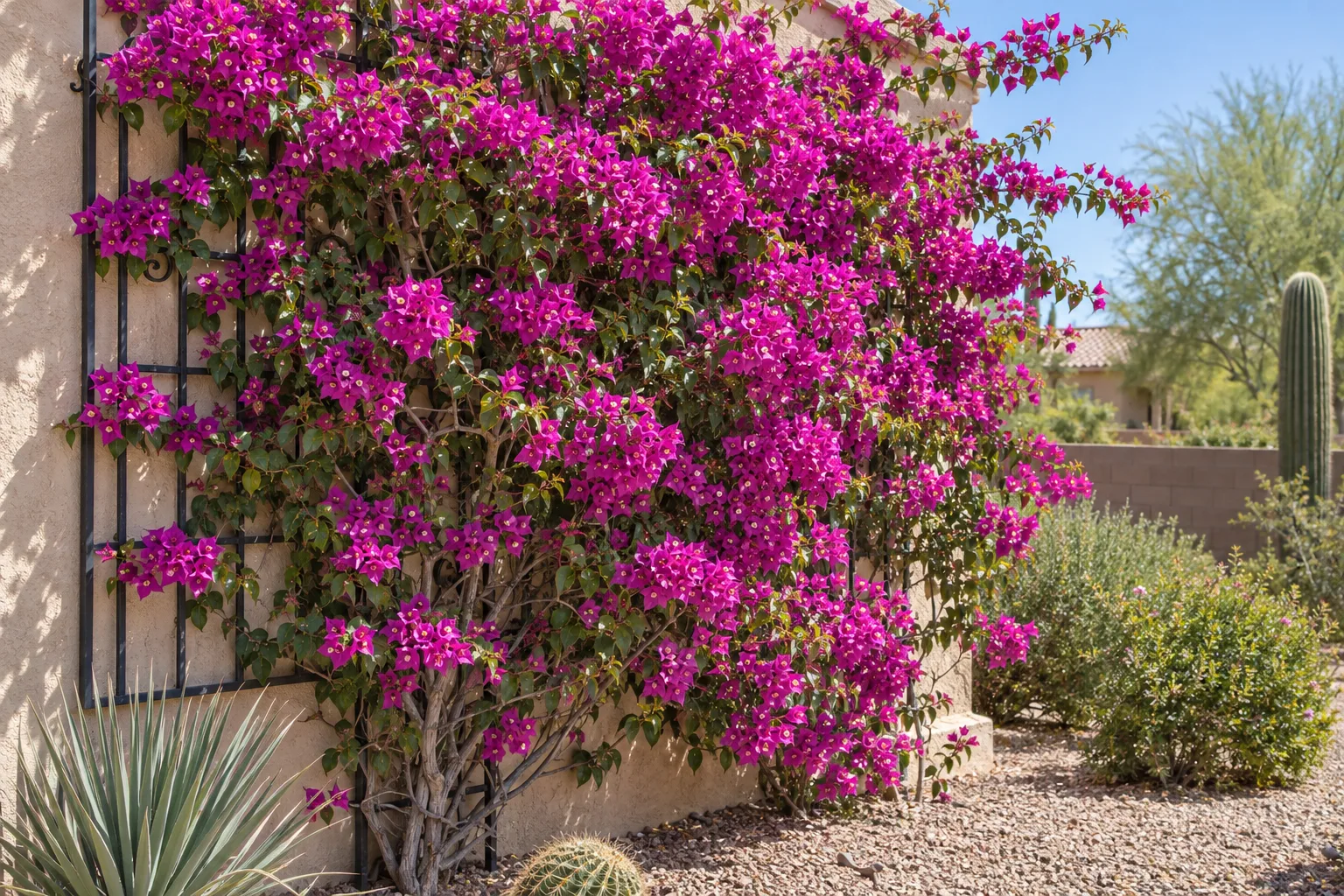
Colors: magenta, purple, red, orange, salmon, pink, white and yellow. The color comes from papery bracts surrounding a tiny white flower, which is why a plant holds its show for weeks. Give it full sun and let the soil dry between waterings, because a pampered bougainvillea grows leaves and skips the bloom. Expect thorns, bract litter on the patio, and burned tips after a night in the upper 20s.
3. Angelonia (Angelonia angustifolia)
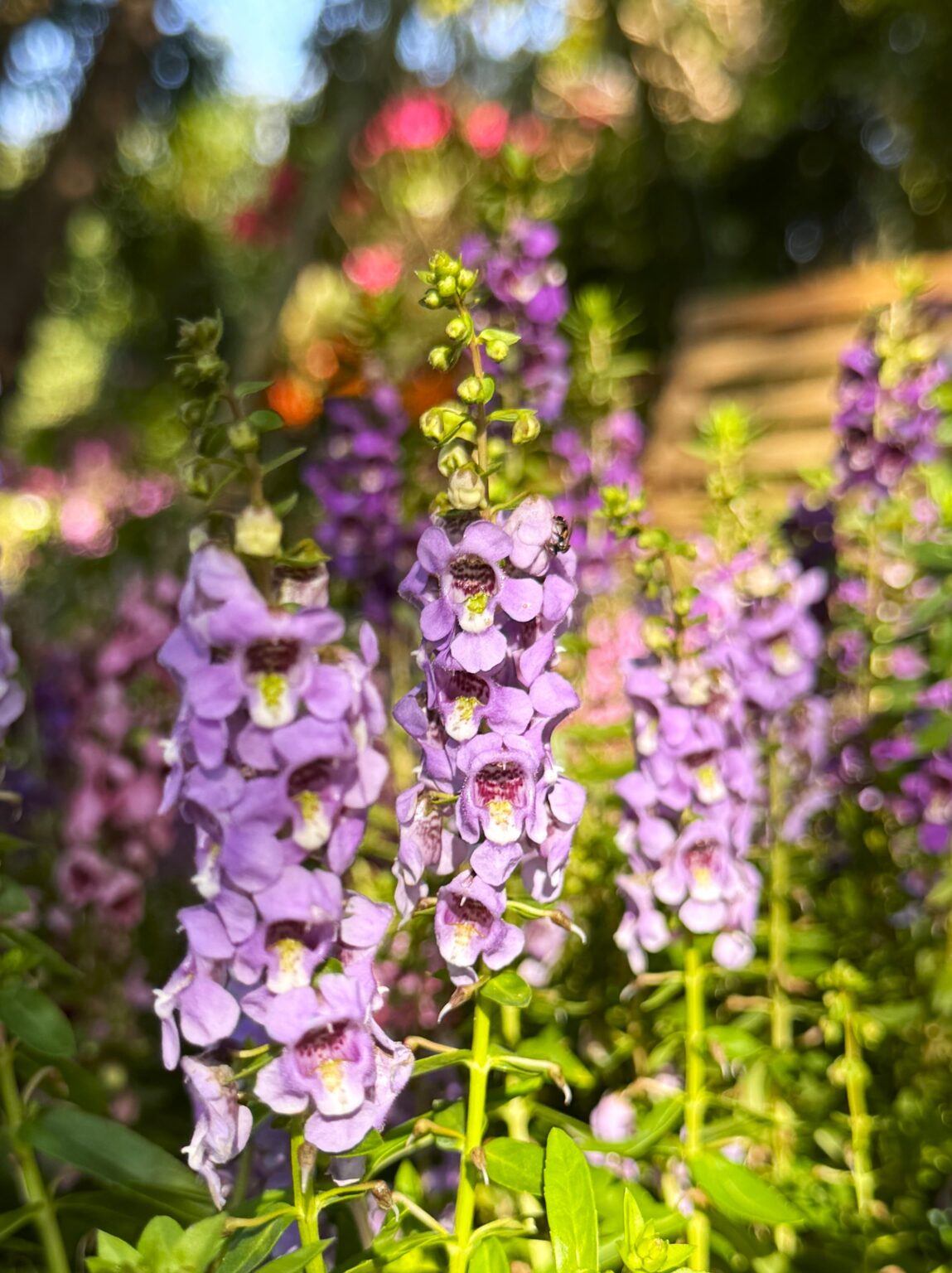
Colors: purple, lavender, blue-violet, pink, white and bicolor. Often sold as summer snapdragon, it sends up flower spikes 12 to 18 inches tall and needs no deadheading. It is one of the few upright bedding plants that keeps blooming in June. It does need steady water, and most gardeners treat it as an annual that comes out when the cool-season flowers go in.
4. Vinca (Catharanthus roseus)
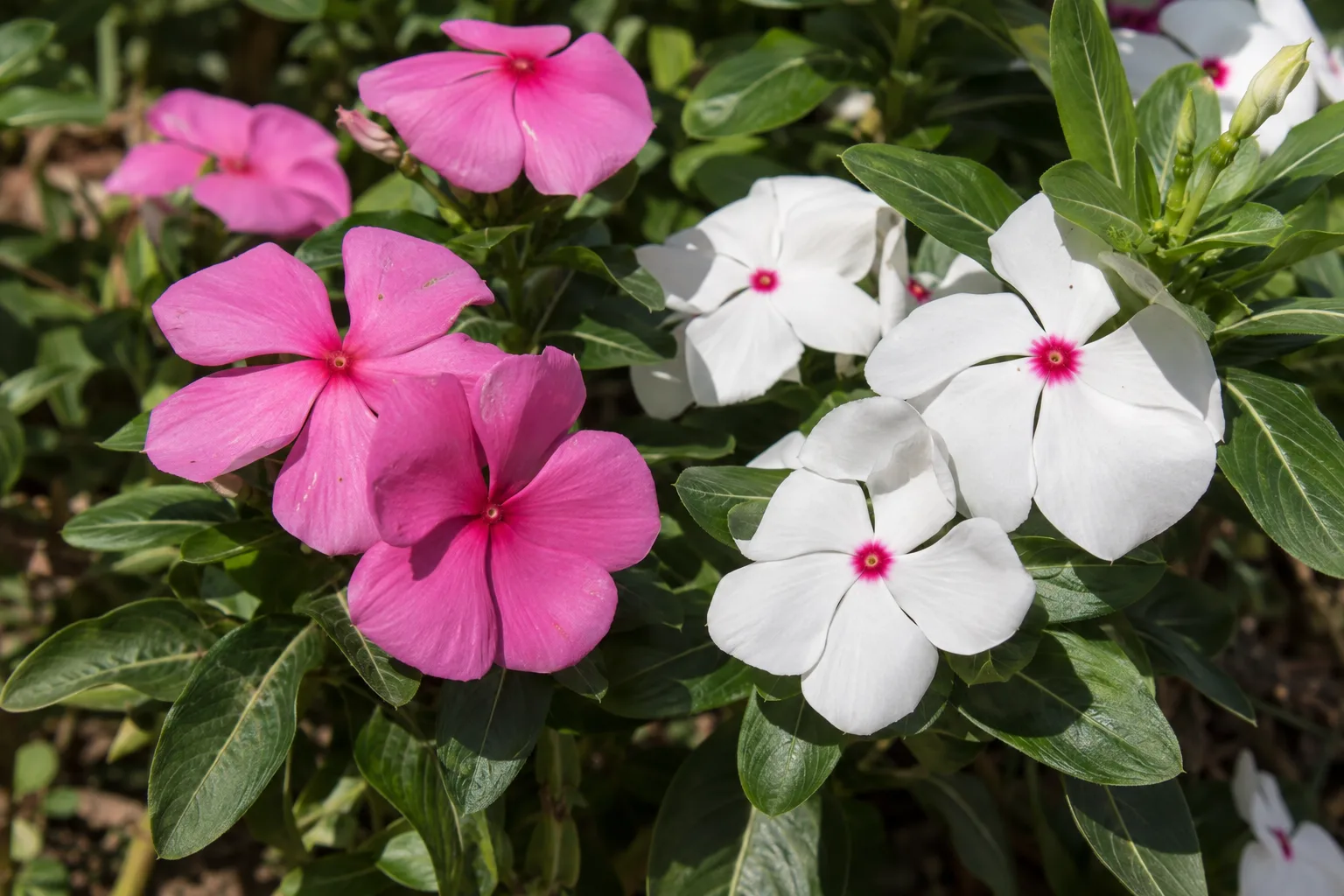
Colors: white, pink, red, magenta, lavender and peach, many with a contrasting eye. Vinca is the workhorse of summer flower beds in the Valley. Wait to plant until nights stay warm, usually late April or May. Its weakness is water. Cool, wet soil and overhead sprinklers bring on root and stem rot, so plant it in a bed that drains and water at the base. All parts are toxic if eaten.
5. Pentas (Pentas lanceolata)

Colors: red, pink, lavender, purple and white. Clusters of small star-shaped flowers bring in butterflies and hummingbirds from spring through fall. Pentas does best with morning sun and afternoon shade. Leaves scorch against a west wall, the plant wants regular water, and frost will take it down.
6. Tecoma, yellow bells and orange bells (Tecoma stans and hybrids)
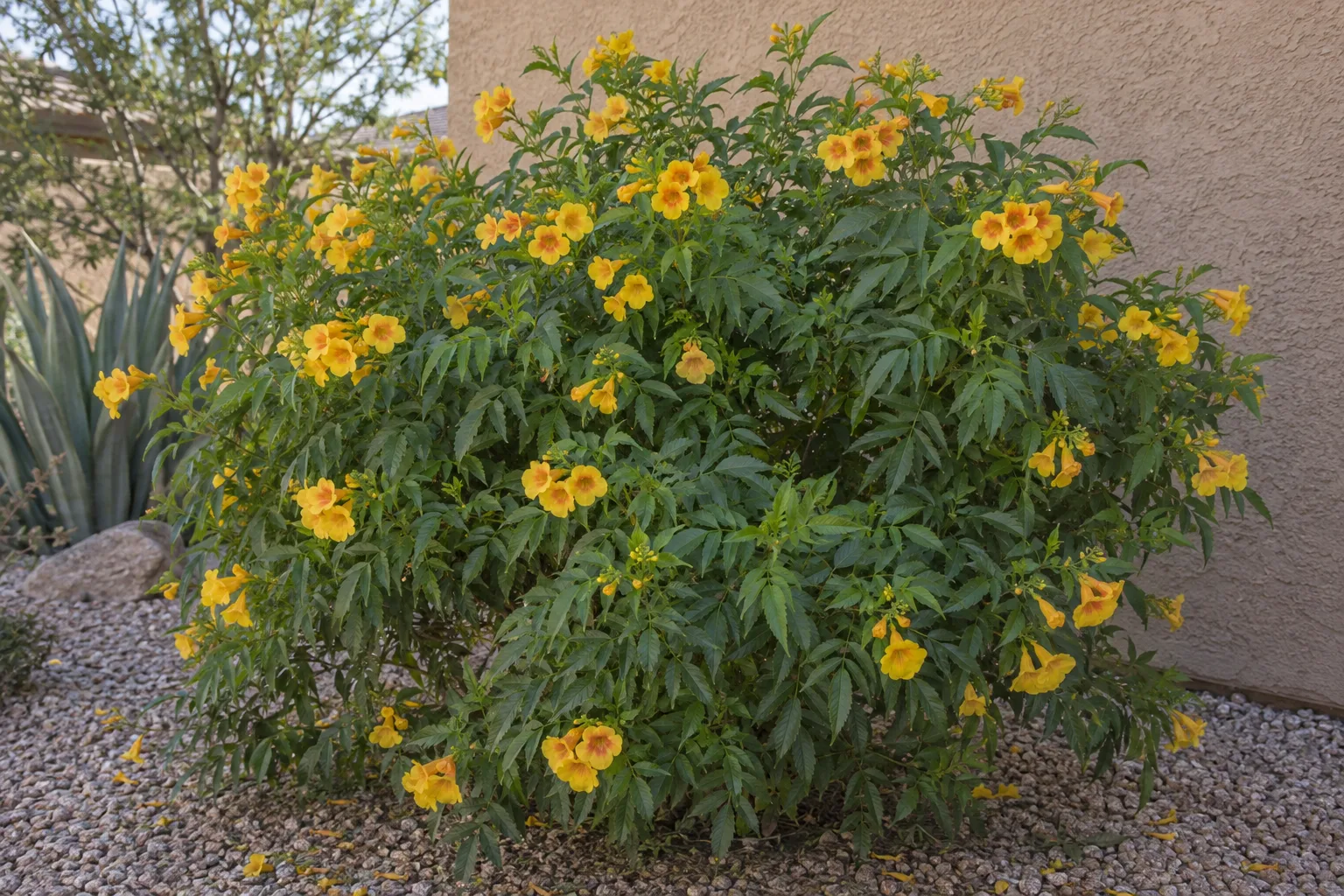
Colors: yellow, gold, orange, apricot and red-orange, depending on the variety. These shrubs carry trumpet-shaped flowers from spring to fall and hummingbirds work them all day. Sizes run from compact selections around 3 to 5 feet up to 12 feet or more, so read the tag before you plant under a window. Cold winters freeze them back, and the long seed pods look untidy unless you clip them.
7. Portulaca, moss rose (Portulaca grandiflora)
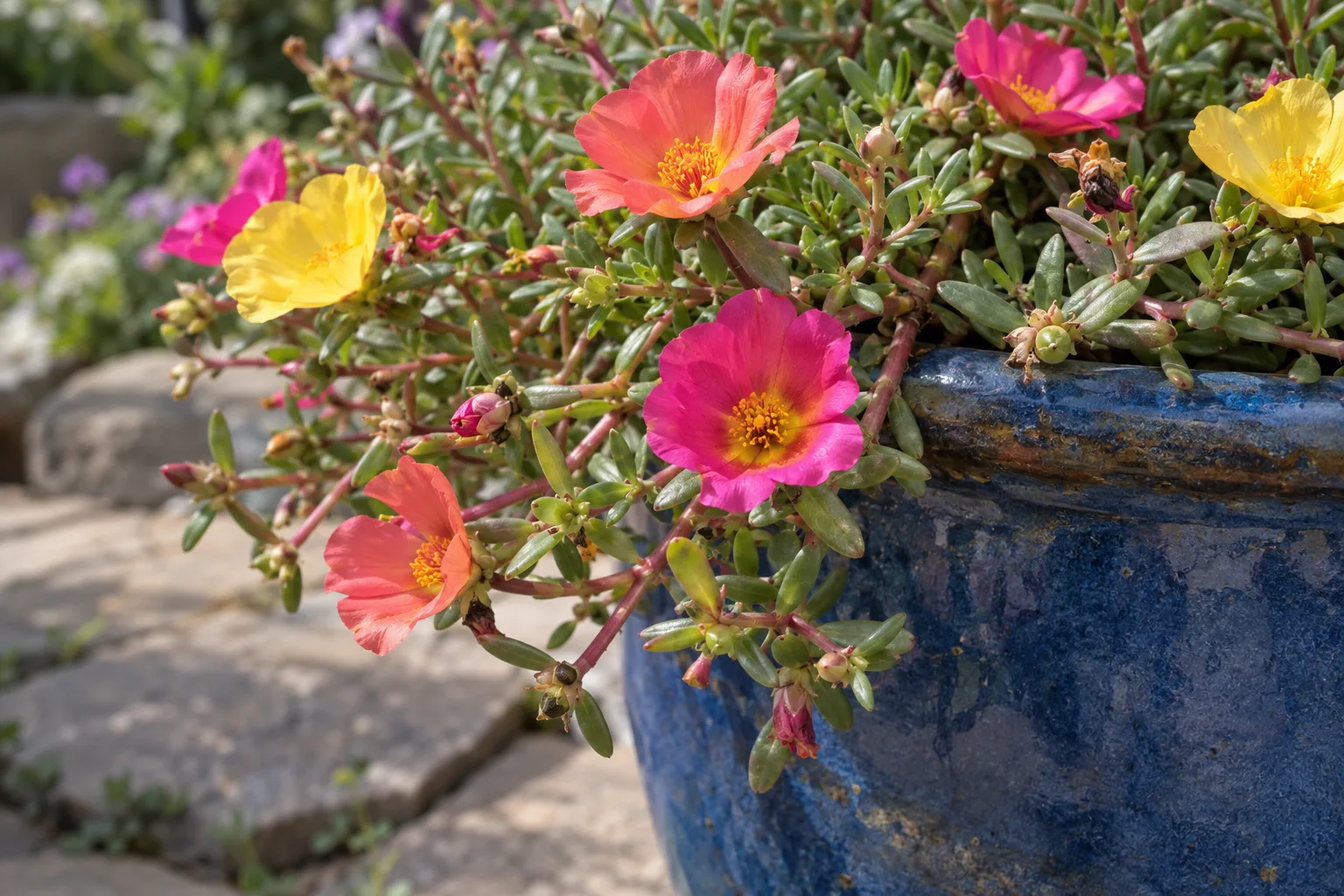
Colors: yellow, orange, hot pink, red, peach, white and mixes. A succulent mat only 4 to 8 inches tall, portulaca handles full sun, lean soil and a missed watering. It suits pots, hanging baskets and the hot strip along a driveway. Flowers close in late afternoon and on cloudy days, and the plant rots if it is watered like a petunia.
8. Salvia (Salvia greggii, Salvia leucantha, Salvia farinacea and others)
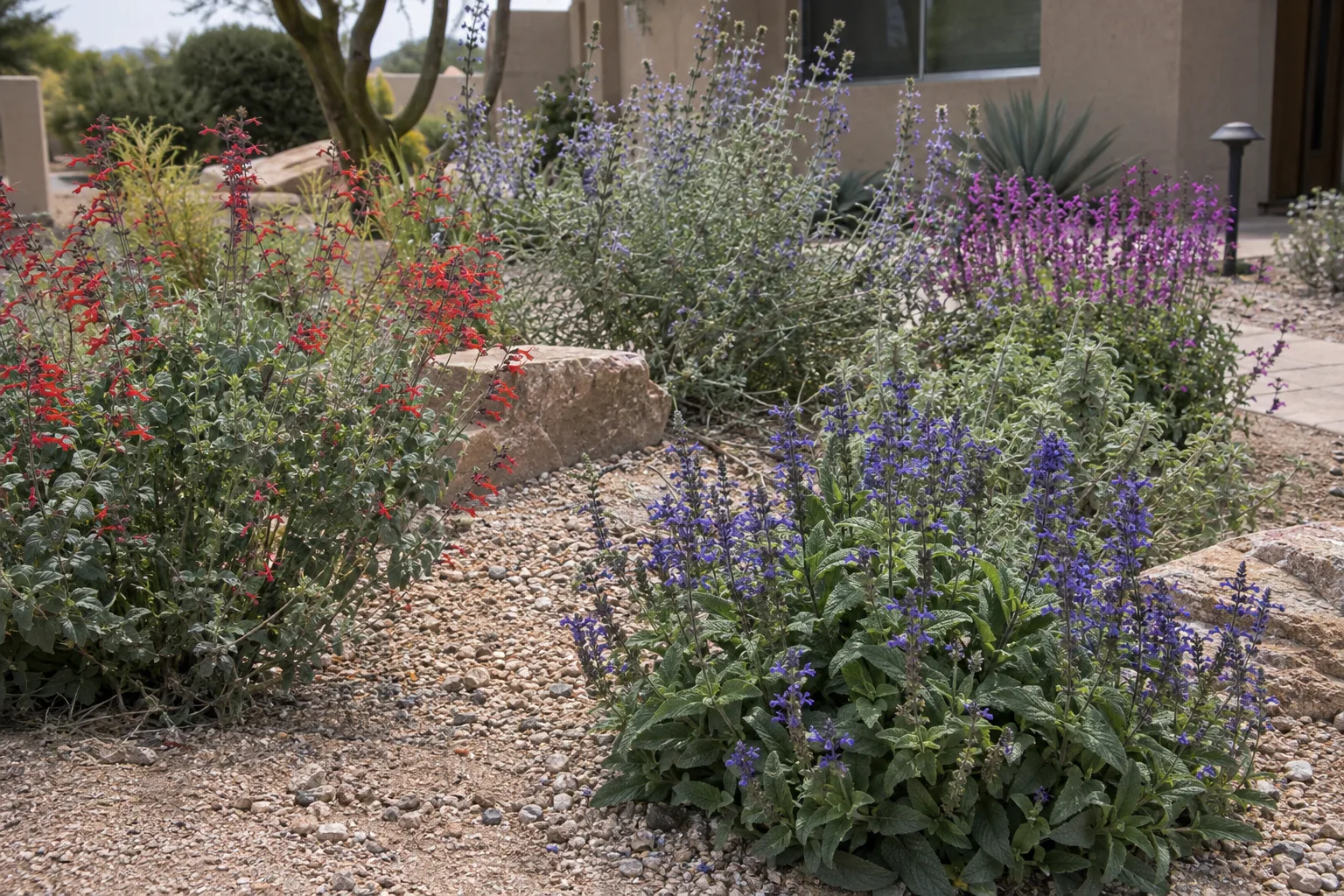
Colors: red, coral, salmon, pink, purple, blue and white. Autumn sage, Mexican bush sage and mealycup sage are the three you will see most. Hummingbirds visit all of them. Many salvias look tired in July and August and bloom best in spring and fall, so give them afternoon shade and trim the woody types in late winter.
9. Ruellia, Mexican petunia (Ruellia simplex)
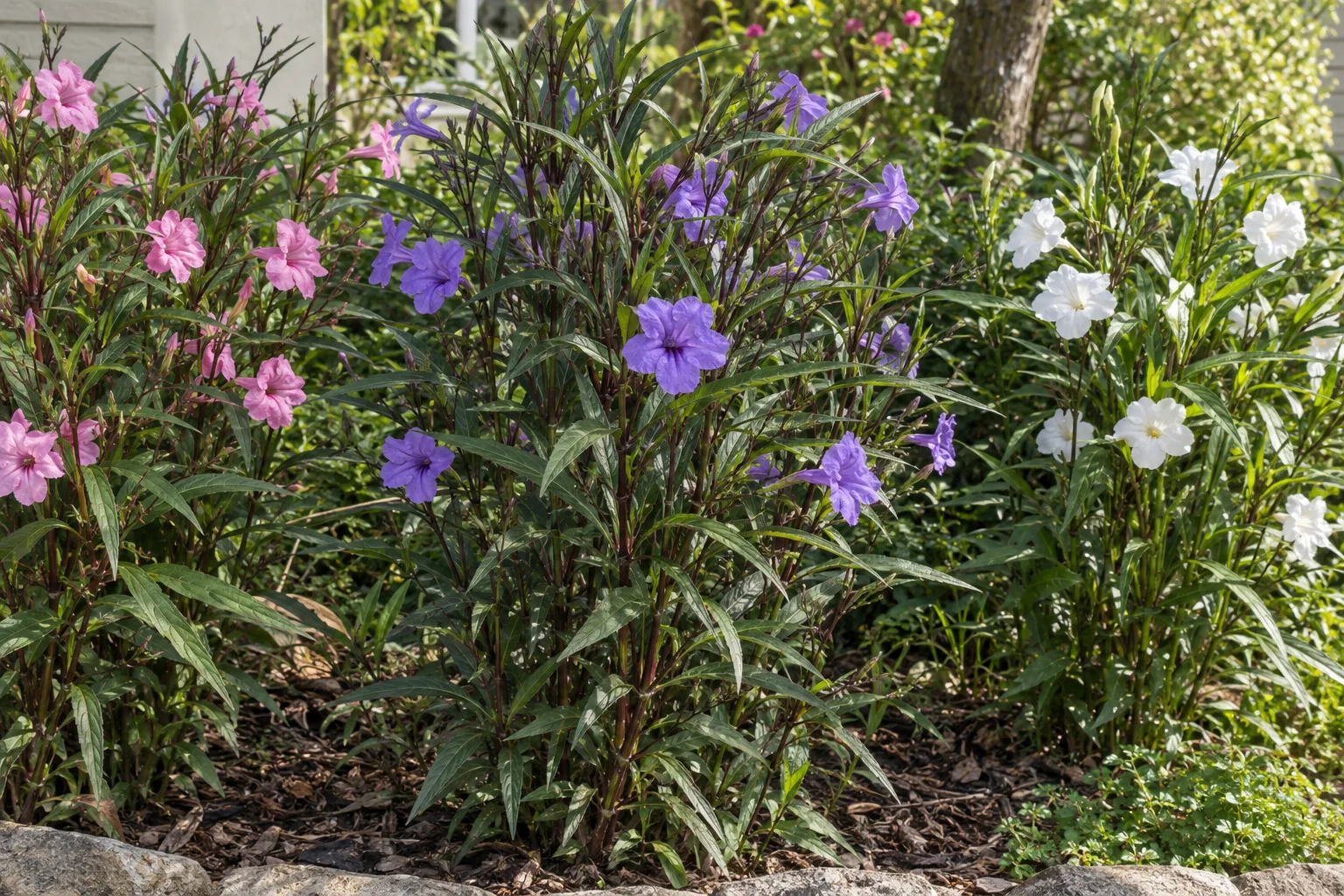
Colors: purple, pink and white. Ruellia takes sun or part shade, heat, and soil that stays wetter than most desert plants tolerate. The tall form reaches about 3 feet, and dwarf types such as 'Katie' stay under a foot. Be aware that the tall form spreads by seed and underground runners. Keep it inside an edged bed or choose a dwarf. Frost blackens the top growth until spring.
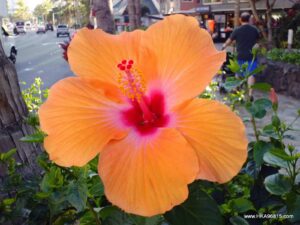
10. Tropical hibiscus (Hibiscus rosa-sinensis)
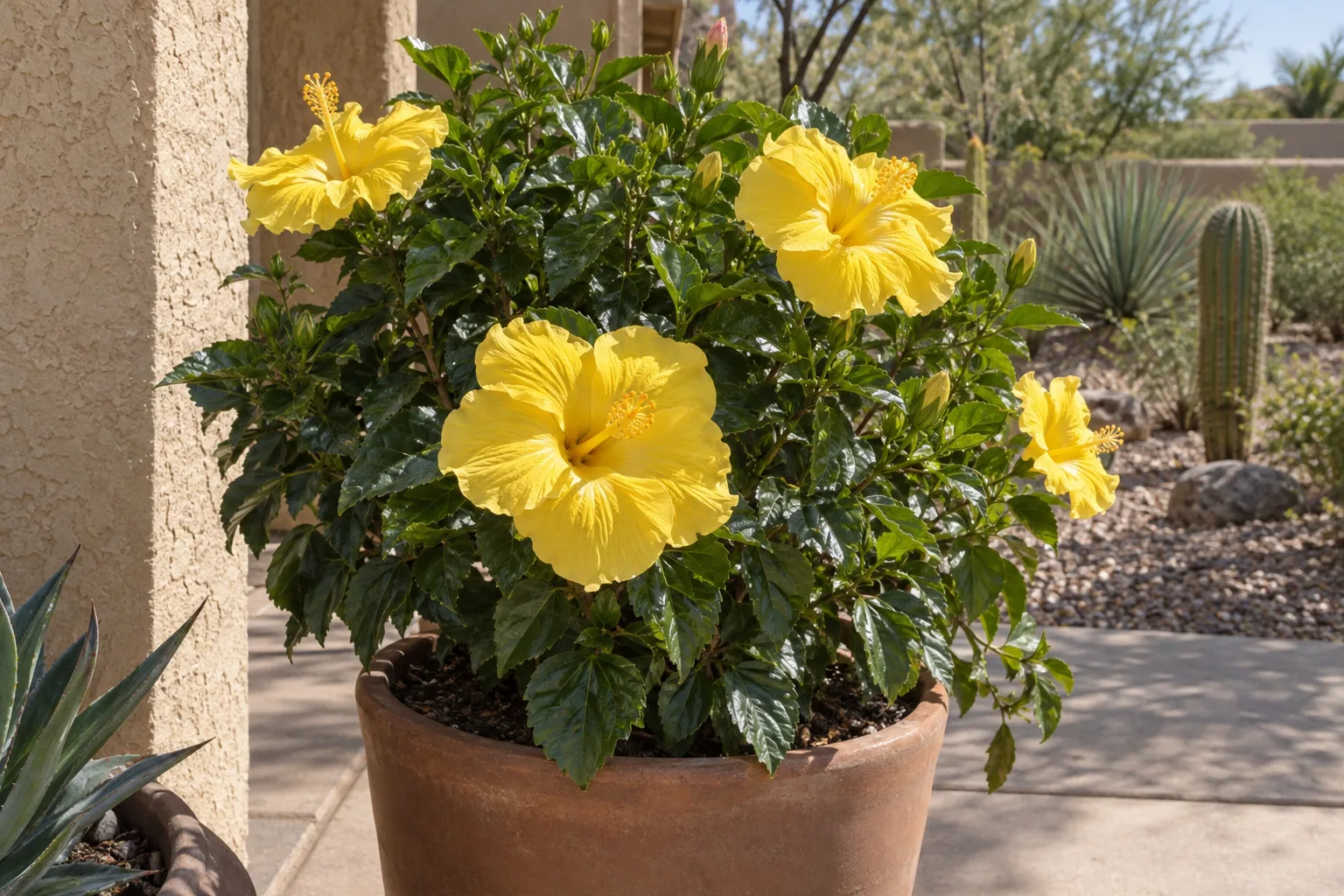
Colors: red, orange, yellow, pink, peach, coral, white and two-tone blends. No other shrub here offers as many flower colors, and blooms can reach 6 inches across. Each one lasts a day or two. Hibiscus is the fussiest plant on the list. It wants an east exposure, regular water and feeding, and frost protection, and its leaves yellow in our alkaline soil without supplemental iron. A large pot on a covered patio suits it well.
11. Gazania (Gazania rigens)
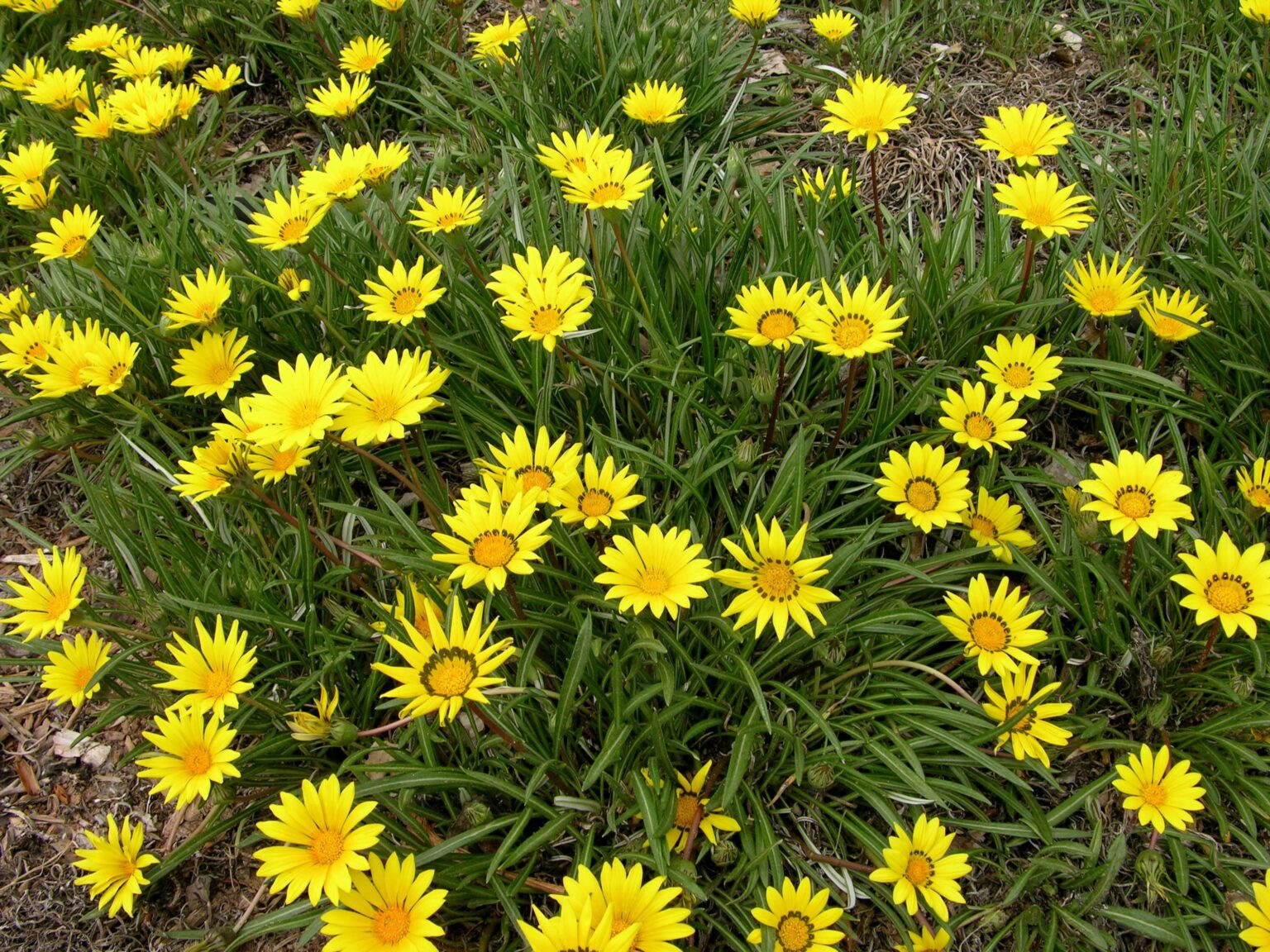
Colors: yellow, orange, bronze, pink, red and striped bicolors. This low daisy stays 6 to 10 inches tall and is at its best from fall through spring. Bloom slows in peak summer, when overwatering can rot the crown. Flowers close in shade and in the evening, and plants often thin out after two or three years.
12. Verbena (Verbena and Glandularia)
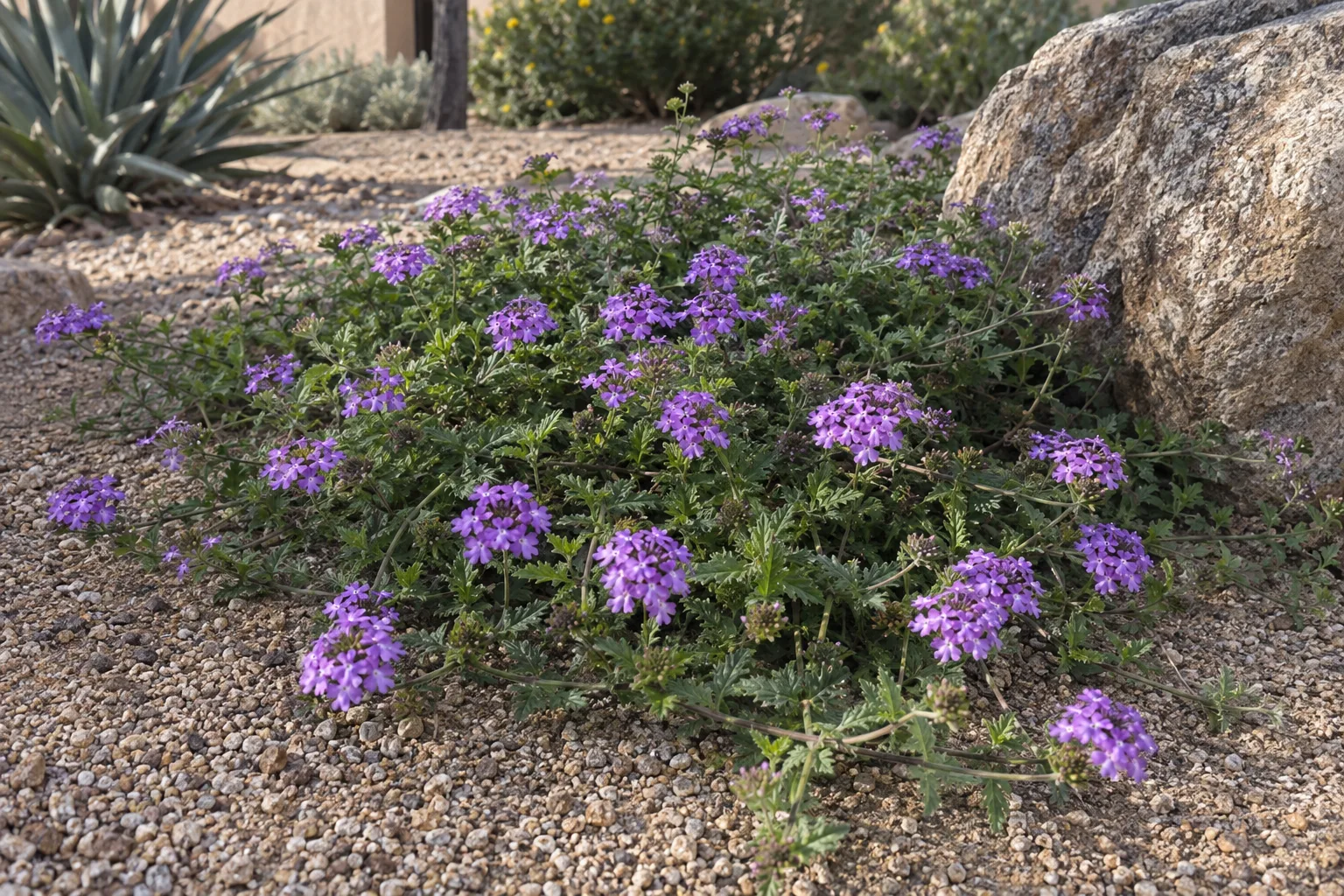
Colors: purple, violet, pink, red, white, peach and bicolor. Verbena makes a carpet of color in spring and again in fall. Most of the large-flowered hybrids burn out in peak summer, so plan on them as seasonal color. The tougher desert species reseed and return on their own.
13. Zinnia (Zinnia elegans and others)
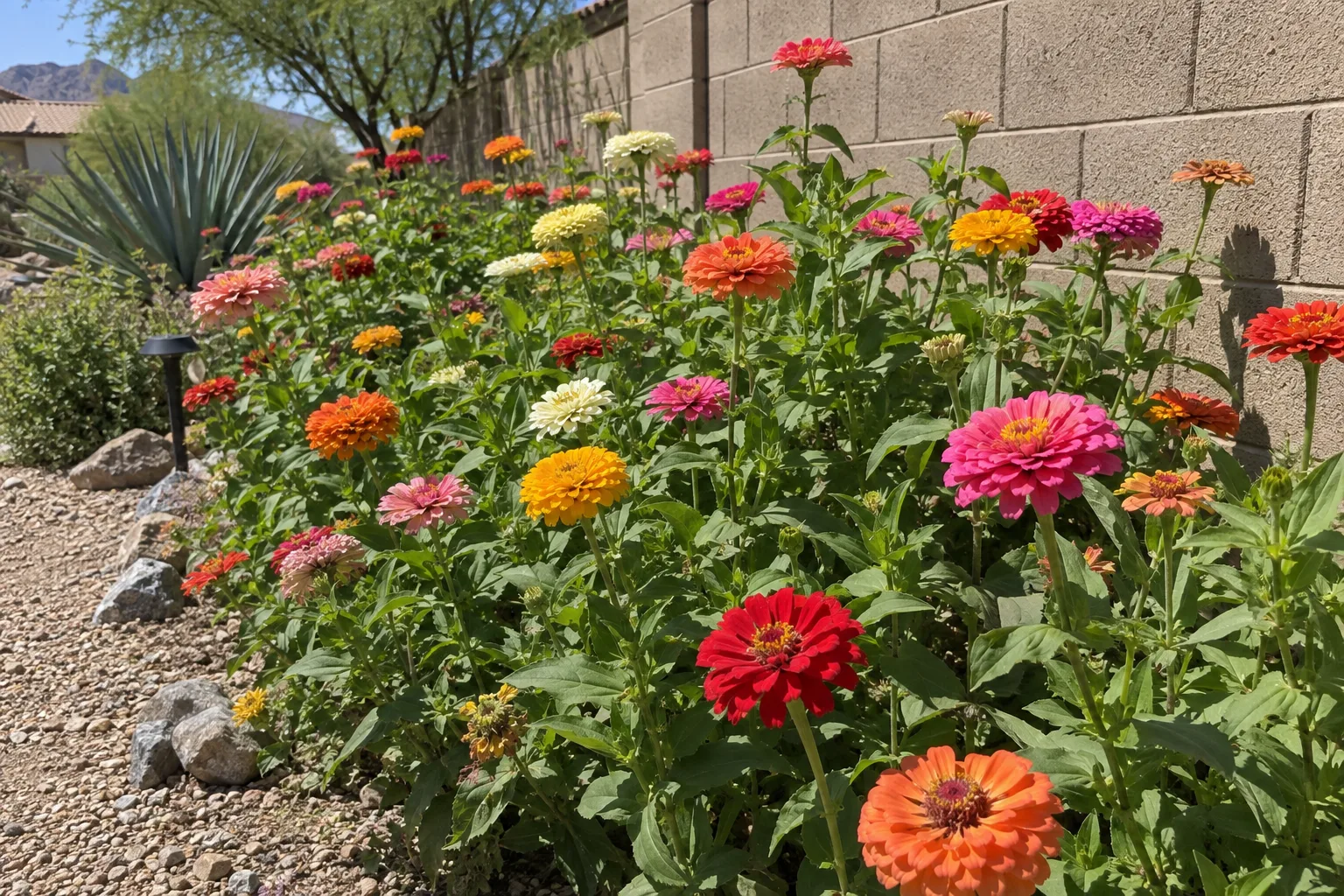
Colors: nearly everything except true blue, including lime green. Zinnias grow fast from seed sown in spring and early summer, and they make good cut flowers. Butterflies and bees cover them. Powdery mildew shows up in crowded beds and with overhead watering, and the tall types appreciate afternoon shade once highs pass 105°F.
14. Plumbago (Plumbago auriculata)
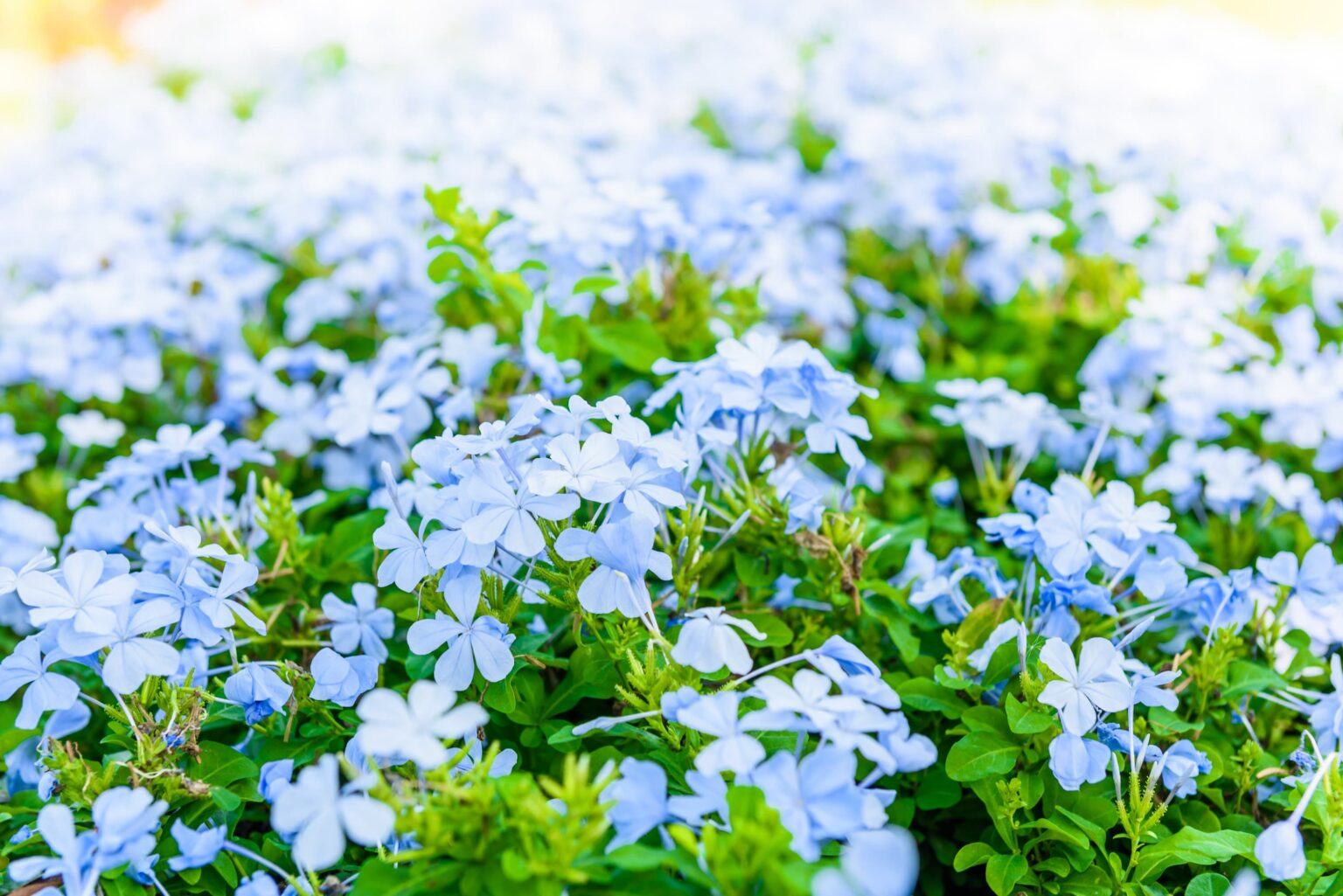
Colors: sky blue, pale blue and white. Blue is scarce among heat-tolerant shrubs, which is the reason to grow it. Plumbago sprawls 4 to 6 feet tall and wider, blooms through the warm months, and tolerates part shade. It suffers frost damage in open spots and needs more water than lantana. The sticky spent flowers also cling to clothes and pet fur.
15. Canna (Canna hybrids)
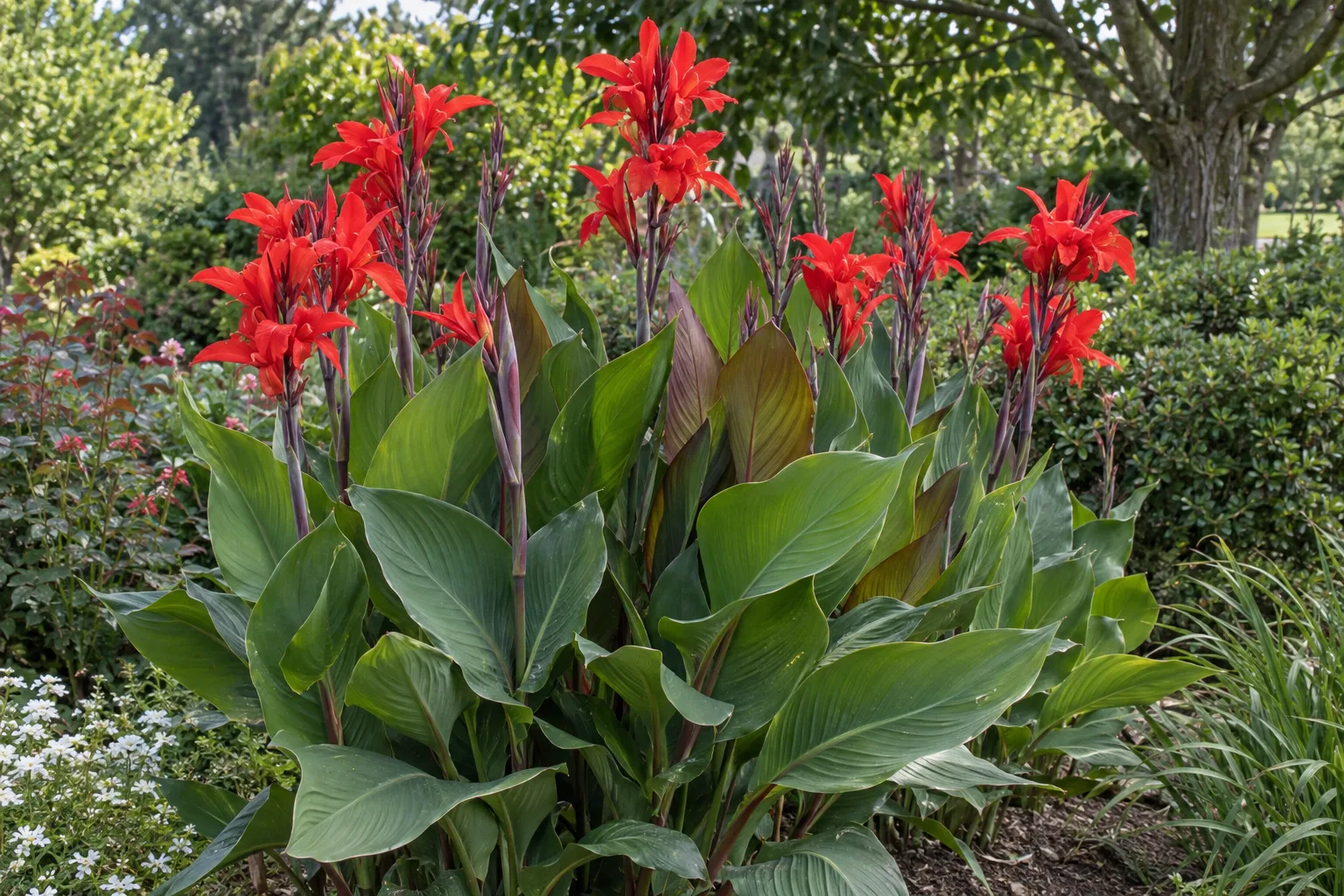
Colors: red, orange, yellow, pink and salmon, over foliage that may be green, bronze or striped. Cannas grow 2 to 6 feet tall from rhizomes and bring a tropical look to a pool area or a low spot that collects water. They need regular irrigation. Leaves scorch in west sun and shred in monsoon wind, and frost kills the tops, which you cut to the ground in late winter.
Which 10 more plants are worth adding?
Globe amaranth, dianthus, petunia, snapdragon, geranium, desert globemallow, ice plant, rose, four o'clock and marigold round out the list. Most of them are seasonal, so the table shows when each one earns its space.
| Plant | Flower colors | Best season in the low desert | Watch for |
|---|---|---|---|
| 16. Globe amaranth (Gomphrena) | Purple, pink, red, white, orange | May to October | Slow start in cool soil |
| 17. Dianthus | Pink, red, white, purple, bicolor | October to April | Fades as days pass 95°F |
| 18. Petunia | Almost every color | October to May | Budworms in spring, finished by early summer |
| 19. Snapdragon | Yellow, orange, pink, red, white, bicolor | October to April | Rust in crowded beds |
| 20. Geranium (Pelargonium) | Red, pink, salmon, coral, white | October to May | Needs full shade to get through summer |
| 21. Desert globemallow (Sphaeralcea ambigua) | Orange, peach, pink, lavender, white | February to May | Leggy after bloom, reseeds freely |
| 22. Ice plant | Pink, purple, yellow, orange, white | Late winter to spring | Burns out in full summer sun, needs fast drainage |
| 23. Rose | Nearly every color except true blue | Peaks in April and November | Rests through summer heat |
| 24. Four o'clock (Mirabilis jalapa) | Pink, red, yellow, white, striped | May to October, opening in late afternoon | Reseeds freely |
| 25. Marigold (Tagetes) | Yellow, orange, gold, cream, red bicolors | Fall and spring | Spider mites in hot, dry weather |
One caution on ice plant. Garden tags describe it as sun loving, which holds true on the coast. In the low desert it performs as a cool-season groundcover and tends to burn up in an exposed bed by its second or third summer. Give it afternoon shade and soil that drains fast.
Which plants are closest to lantana and bougainvillea?
Tecoma comes closest. It offers several flower colors, months of bloom, full sun tolerance and very little upkeep, which is the same combination that makes lantana and bougainvillea so common in Valley yards.
For flower beds and pots, vinca, angelonia and portulaca fill that role from May through October. If the number of color choices matters most, look at tropical hibiscus, zinnia and salvia. For hummingbirds and butterflies, plant salvia, pentas and lantana within sight of a window.

When should I plant for color in every season?
Plant warm-season color from late April through May and cool-season color in October and November. We change our own annual color three times a year, for fall and winter, spring, and summer, and a home flower bed can follow the same rhythm.
Frost-tender shrubs such as bougainvillea, tropical hibiscus and Tecoma establish best when planted in spring after the last frost, which gives them a full growing season before their first winter. Lantana and salvia can go in during spring or fall. See what is in season on our annual flowers and foliage page.
How do I keep flowers blooming through a Phoenix summer?
Water deeply, mulch, and hold back on fertilizer in the hottest months. A long soak that reaches the full root zone does more than a daily sprinkle, and 2 to 3 inches of mulch keeps the soil cooler and slows evaporation.
Skip heavy feeding from June through August, since soft new growth burns. Lantana and Tecoma respond to a light trim in late summer with a fresh flush of flowers for fall. Leave frost-damaged growth in place over winter and prune it out in March, once new shoots show you where the live wood begins.
Containers need more attention. Use the largest pot the space allows, since a small pot in full sun can dry out before dinner. Check the soil daily in June. Our pottery and planters include sizes big enough to hold moisture through the afternoon.
Frequently asked questions
Which flowering plants bloom all summer in full Phoenix sun?
Lantana, bougainvillea, Tecoma, vinca, portulaca and globe amaranth are the most dependable. Angelonia belongs on the list if you can water it regularly. All of them still need irrigation through June, and newly planted ones need it every day or two until roots spread.
Will lantana and bougainvillea come back after a frost?
Established plants usually regrow from the base or from lower branches. Leave the damaged growth alone until March, because it shelters the live wood underneath. Young plants in their first winter are the most at risk, so cover them with frost cloth on nights forecast below freezing.
Are these plants safe around pets?
Not all of them. The ASPCA lists lantana and vinca as toxic to dogs and cats. Check the ASPCA plant list or ask your vet about any plant you are unsure of, and keep lantana berries trimmed off if animals roam the yard.
Why did my bougainvillea stop blooming?
The usual causes are too much water, too much nitrogen fertilizer, or too little sun. Bougainvillea blooms on new growth and flowers hardest when kept slightly dry. Cut back on irrigation, move pots into full sun, and trim lightly after a bloom cycle to encourage the next one.
Can I grow these in pots?
Yes. Vinca, angelonia, portulaca, pentas, geraniums, petunias and tropical hibiscus all do well in containers, and bougainvillea blooms heavily when its roots are a little crowded. Use a pot with a drainage hole and a quality potting mix, and expect to water daily in summer.
Which colorful plants are worth planting in your yard?
For most East Valley yards, lantana and Tecoma in the ground with a bed or a few pots of vinca make the easiest start, and all three come in enough colors to suit almost any house. Add petunias and snapdragons in October for winter color. This list will disappoint anyone hoping for a single flower bed that blooms twelve months without replanting, or anyone gardening in deep shade. Stop by our Queen Creek nursery to see what is in bloom, or check our classes and events for upcoming workshops.