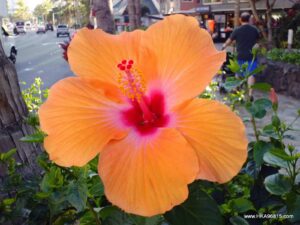

Choose plants for Arizona’s spring climate by matching sun, drainage and water needs to your yard, then plant from late February through early April, before highs stay above 100°F.
Key takeaways
- Plant warm-season shrubs, perennials and desert natives from late February through early April, so roots get 6 to 8 weeks to establish before highs stay above 100°F.
- Walk your yard at 9 a.m., noon and 4 p.m. to map the sun, because a west-facing wall can run 15 to 20°F warmer than a shaded bed.
- Fill an 18 inch test hole with water; if it still stands the next day, break through the caliche or plant on a mound.
- Water new plants every 2 to 3 days for the first month, then every 4 to 5 days for the second, and mulch 2 to 3 inches deep.
- Native desert plants need little or no soil amendment, while non-natives do better with a modest amount of compost.

When is the best time to plant in Arizona in spring?
The best time is late February through early April for most warm-season shrubs, perennials and desert natives. That gives roots about 6 to 8 weeks to settle before summer highs above 110°F arrive in Queen Creek. The window closes fast.
Cool-season annuals planted in fall fade in March and April as nights warm, so spring is the time to replace them with heat-tolerant color or with plants that will carry through summer. Frost danger usually passes by late February in most of the East Valley, but a cold night in early March can still happen. Fall, from October through November, is also a strong planting season for many natives and perennials, and some desert wildflowers prefer it.
Our gardening calendars list what to plant month by month, and they are worth a look before each trip to the nursery.
What should I check in my yard before I shop?
Check sun, reflected heat, available space and your water budget before you buy. Walk the yard at 9 a.m., noon and 4 p.m. and note where shade falls, since a west-facing wall can run 15 to 20°F warmer than a shaded north bed.
West and south exposures take the hardest afternoon sun and the heat that bounces off block walls and pavement. East exposures get gentler morning light and suit more plants. Measure each bed, too, because a plant with a 6 to 8 foot spread will not fit a 3 foot strip. Decide how much water you can supply, since that narrows the list faster than any other choice. Write it all down.
With those notes in hand, browse our plant department and bring the measurements with you.
How do I prepare Queen Creek soil for spring planting?
Check drainage, break through any caliche, and amend lightly. Most Queen Creek soil is alkaline, often pH 7.5 to 8.5, and many yards have caliche, a hard calcium carbonate layer that can sit a few inches to a few feet down and block water from draining.
Dig a test hole about 18 inches deep, fill it with water, let it drain, then fill it again. If water still stands the next day, break through the layer with a digging bar, plant on a raised mound, or pick a plant that tolerates slow drainage. Do this before you shop.

For non-native shrubs and perennials, mix a modest amount of compost into the native soil you use for backfill. Heavily amended holes create a bathtub effect, where water collects in the rich soil and the roots stay too wet. Desert natives such as palo verde (Parkinsonia species) and brittlebush (Encelia farinosa) need little or no amendment. Our hard irrigation water leaves salts behind, so deep watering that moves them below the roots works better than frequent light watering.
Which plants suit the low desert in spring?
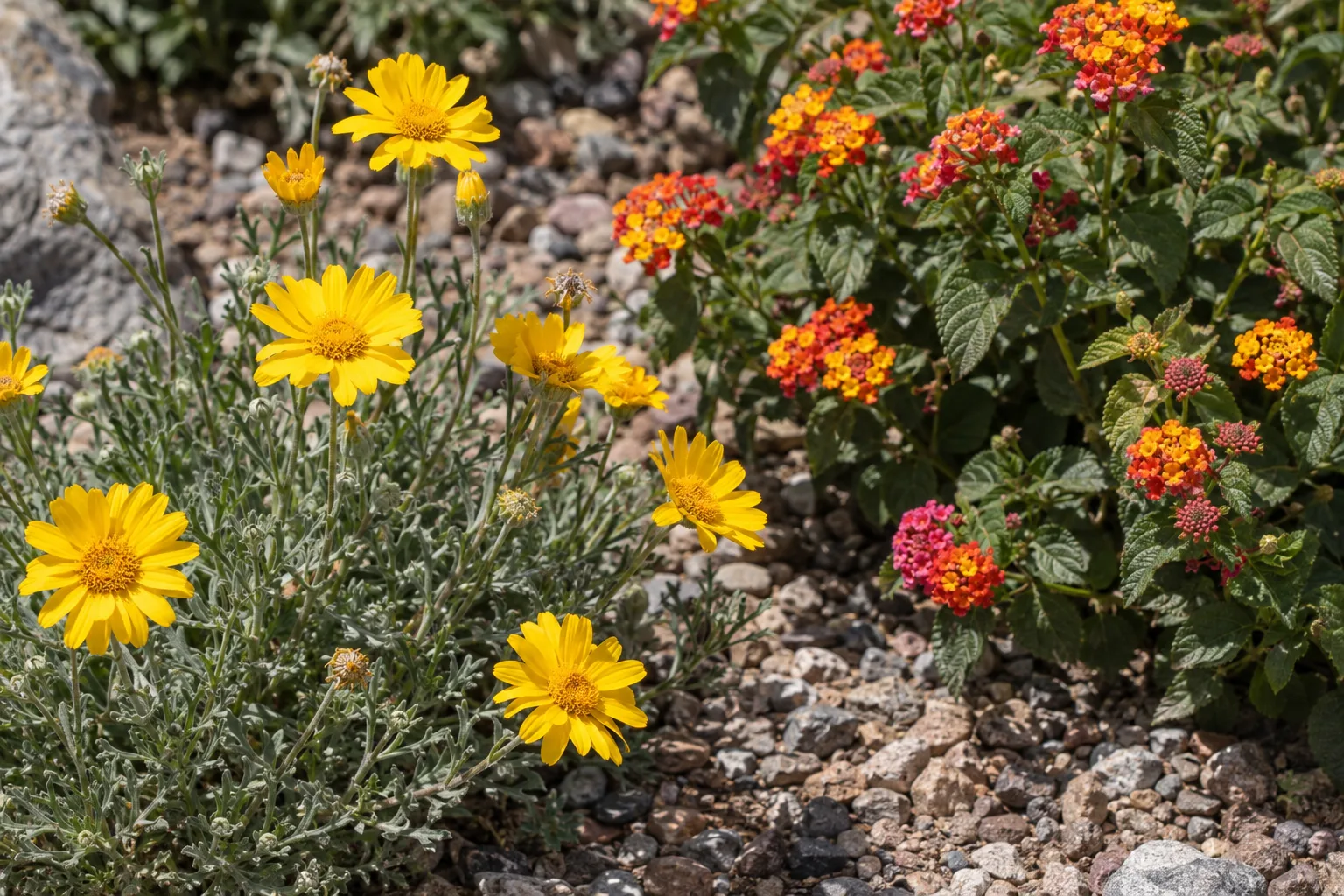
Heat-tolerant perennials, shrubs and desert natives suit spring best, with warm-season annuals for quick color. We commonly carry varieties of desert marigold (Baileya multiradiata), lantana (Lantana camara), red bird of paradise (Caesalpinia pulcherrima), bougainvillea (Bougainvillea hybrids), Parry’s penstemon (Penstemon parryi) and desert willow (Chilopsis linearis), though availability changes week to week and season to season.
Desert marigold blooms from late winter into fall and reseeds in gravelly, well-drained soil. Lantana freezes back in a hard frost but usually regrows from the base. Bougainvillea flowers best in strong sun with restrained watering, and young plants are frost tender. Parry’s penstemon flowers in early spring, then goes dormant in summer heat, which is normal. Desert willow grows large, so give it room.
| Plant group | Examples from this guide | Best spring planting time | Water once established |
|---|---|---|---|
| Desert natives | Desert marigold, brittlebush, Parry’s penstemon | Late February to March (penstemon prefers fall) | Very low |
| Tender shrubs and perennials | Lantana, bougainvillea, red bird of paradise | March to early April, after frost danger | Low |
| Warm-season annuals | Vinca, portulaca | March to April | Low to moderate |
| Larger shrubs and trees | Desert willow, palo verde | March to early April (fall also works well) | Low after the first 1 to 2 years |
For quick seasonal color, look through our annual flowers and foliage. Warm-season annuals such as vinca (Catharanthus roseus) and portulaca (Portulaca grandiflora) take heat that cool-season annuals cannot.
Read the tag for mature size and heat tolerance. Cold hardiness and heat tolerance are separate traits, so a plant rated to 20°F can still struggle through 110°F afternoons, and tags written for other regions often leave heat out. Skip plants with yellowing leaves, webbing on the branch tips or roots circling the bottom of the pot.
How do I plant in spring, step by step?
Plant in the late afternoon or on a cloudy day, set the root ball level with the soil, then water deeply and mulch the same day. You need a shovel, a digging bar if you hit caliche, compost for non-native plants, 2 to 3 inches of mulch such as decomposed granite or shredded bark, and a hose or drip line.
- Set the potted plant in place and check its mature size against walls, walkways, pool edges and overhead lines.
- Dig a hole two to three times as wide as the pot and no deeper than the root ball.
- Loosen any circling roots with your fingers so they grow outward.
- Set the top of the root ball level with, or slightly above, the surrounding soil.
- Backfill with native soil (mixed with a little compost for non-natives) and firm it gently.
- Build a shallow basin around the plant and water slowly until the soil is soaked.
- Spread mulch 2 to 3 inches deep, keeping it a few inches back from the stem or trunk.
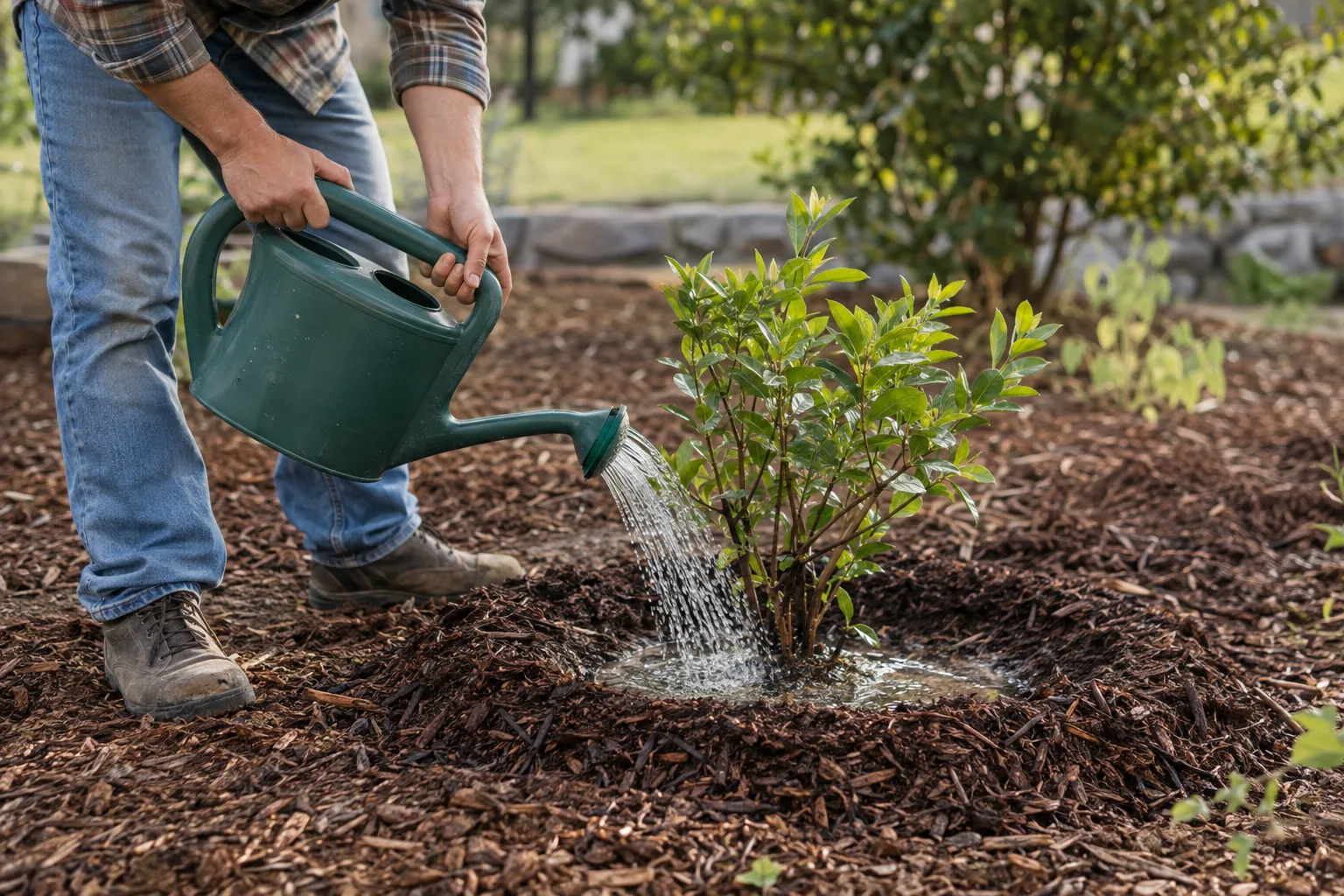
Planting in the heat of the day stresses young roots, while an evening planting gives them several cool hours to settle. Plant in the evening if you can.
How often should I water new spring plants?
Water new shrubs and perennials every 2 to 3 days for the first month, every 4 to 5 days for the second month, then switch to deep, infrequent watering. Treat those intervals as a starting point, and push a finger 2 to 3 inches into the soil before each watering, since sandy soil, larger plants and 95°F days all shorten the gap.
Trees need slow, deep soaks. Early morning is best, because leaves dry before night. Established desert natives need far less water than new plants, and extra water in spring can rot their roots.
What mistakes should I avoid when planting in spring?
Planting too late
By mid-April, daytime highs approach the 90s and new roots have little time to grow before summer arrives. Aim to have warm-season plants in the ground by early April.
Overwatering established natives
A palo verde that has been in the ground for three years needs deep watering only occasionally in spring. Soggy soil around its roots invites rot.
Ignoring mature size
A bougainvillea planted 2 feet from a wall will press against it as it grows, and a desert willow, which can reach 15 to 25 feet, will overwhelm a narrow planting strip. Plan for 5 and 10 years out.
Buying on bloom color alone
A plant covered in flowers can still have crowded roots or a poor fit for your light. Check the tag and the roots first.
Can I grow spring plants in pots?
Yes, and pots let you grow plants that dislike alkaline soil, but they heat up faster than the ground and dry out quickly. Choose light-colored or glazed pottery and planters with drainage holes, because dark plastic pots in afternoon sun can overheat roots.
Fill them with a quality potting mix rather than yard soil, and group pots together so they shade one another. Expect to water as often as daily once temperatures climb. Drip emitters help.
Frequently asked questions
Can I plant vegetables in spring in Arizona?
Yes, warm-season vegetables go in from late February into March, and the harvest window is short before heat slows fruit set. The University of Arizona Cooperative Extension vegetable planting calendar for Maricopa County lists dates by crop, and you can browse our herbs, vegetables and berries department for ideas.
What if frost returns after I plant?
Cover tender plants with frost cloth on nights forecast near 32°F, and remove it in the morning so heat does not build underneath. Move pots against a south wall or into a garage. Frost after planting is occasional in the East Valley, and low spots and open ground run colder than yards near buildings.
Is it too late to plant in May?
You can plant in May, but plan for extra work. Plant in the evening, give new plants afternoon shade with shade cloth for the first few weeks, and water more often than the spring schedule above. For trees and slow-growing natives, waiting until October or November is usually easier on the plant and on you.
Should I buy plants that are already blooming?
Yes, a plant in bloom is fine to buy when the foliage is healthy and the roots are not circling the pot. Flowers say nothing about the root system, so slide the plant out of its pot if you can and look. Pinching off a few blooms at planting lets energy go to the roots first.
Do I need to fertilize at planting time?
Most spring plantings need little fertilizer at planting. Compost in the backfill supplies modest nutrients, and heavy nitrogen pushes soft new growth that burns in early heat. Wait until the plant shows new growth, then follow the label on a slow-release product suited to that plant type. Desert natives rarely need feeding.
Is spring the right time to plant in your yard?
Yes, if you can plant by early April and commit to watering new plants through the first two months. If you travel often in spring, lack a working irrigation line, or want a large tree or slow-growing native, fall planting from October through November is the easier path, because cooler soil gives roots more time. Spring suits shrubs, perennials and warm-season color best. Stop by our nursery in Queen Creek and we will help you match plants to your yard.