

A cross between fatsia and English ivy: cream-edged ivy leaves the size of your palm on a lax stem you can train up a shaded wall or leave as a mounding shrub. Hardy, shade-loving, and at home on a north patio.
× Fatshedera lizei is one of the few true intergeneric hybrids in cultivation — Japanese aralia crossed with English ivy — and it inherited the best of both: the big, glossy, five-lobed leaves of fatsia scaled down, and the ivy’s willingness to climb, on a plant that is hardy into the 20s and happy in deep shade. The variegated form we carry, ‘Variegata’, edges each leaf in cream.
In Queen Creek it belongs in the same places as fatsia: a bright, cool room indoors, or a north wall, covered entry or courtyard outdoors where the sun never reaches. Tie it to a trellis and it climbs six feet or more; pinch it and it mounds. The rest of the bench is on our Houseplants page.

This is the fatshedera we commonly carry. Availability changes week to week and season to season, so call (480) 987-3308 or stop in to see what’s on the bench today.
Palm-sized, glossy, ivy-shaped leaves margined in creamy white on a lax, semi-climbing stem. Train it up a shaded wall or trellis, or pinch it into a mound. Hardy to the low 20s.
Looking for one that isn’t listed? Ask — we can usually suggest a close match or tell you when it tends to come around.
The care tag was written somewhere else. This is the Queen Creek version.
Indoors, bright indirect light in a cool room; it tolerates a north window. Outdoors, full shade with no direct sun — a north wall, a covered porch, the shaded side of a courtyard. Direct summer sun and reflected heat off west-facing block bleach and scorch the variegated leaves quickly.
The stems are lax rather than truly self-clinging, so give it a trellis or wires on a shaded wall and tie in new growth every few weeks; it reaches six to eight feet in a couple of years. For a bushy mound, pinch the growing tips regularly. Cuttings root easily in damp mix in spring.
Rich, well-drained soil — potting mix with compost in containers, or a generously amended bed in the ground. Feed a balanced fertilizer in spring and early summer. Repot every two years or plant permanently in a large container.
Water when the top inch of soil is dry: every two or three days for an outdoor pot in summer, every five to seven days indoors, less in winter. It tolerates a brief dry spell better than fatsia but drops lower leaves if it happens repeatedly. Well-drained soil and a pot with a hole.
Hardy to the low 20s, so it winters outdoors in Queen Creek without protection. Summer is the stress: keep it in deep shade, water in the morning, and mulch pots. It prefers a cool room indoors and sulks in a hot, dry, heated one.
Spider mites in dry air and scale along the stems are the two to watch for; rinse the foliage and treat with horticultural oil. Mildly toxic if eaten, like both its parents. Prune in spring to shape.
Yellowing, spots, no new growth — snap a photo of the plant and its window and we’ll diagnose it at the bench. Advice is free.
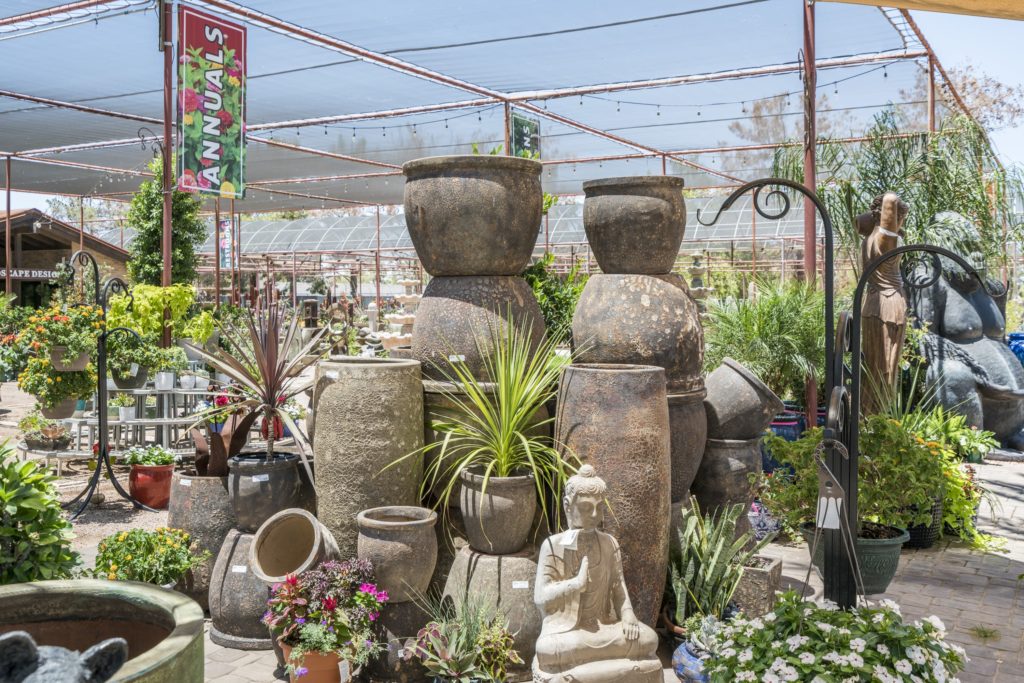
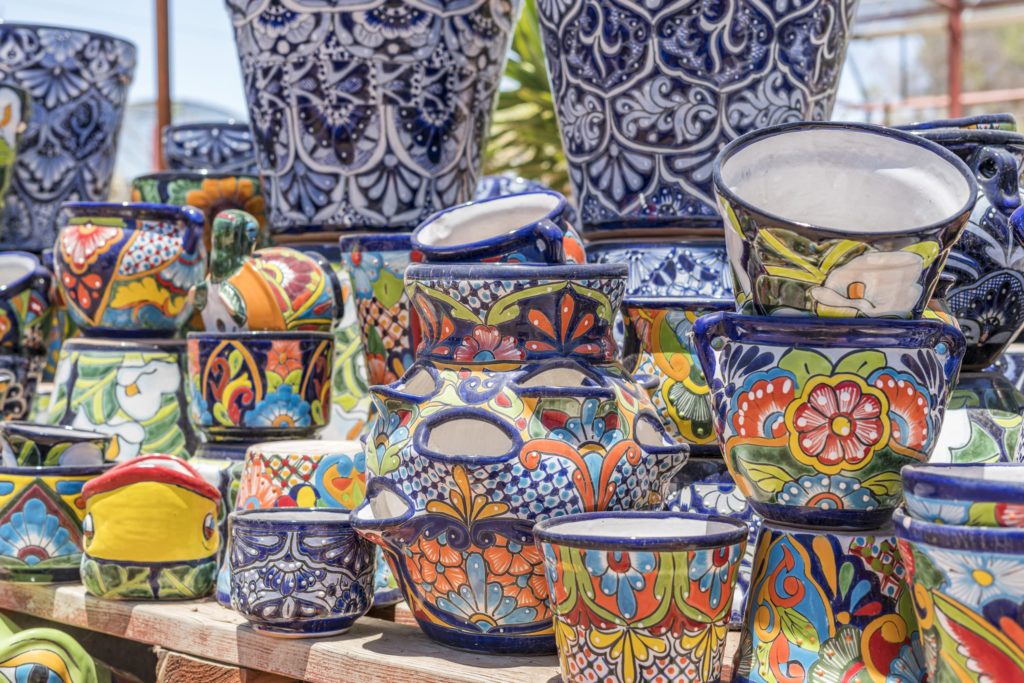
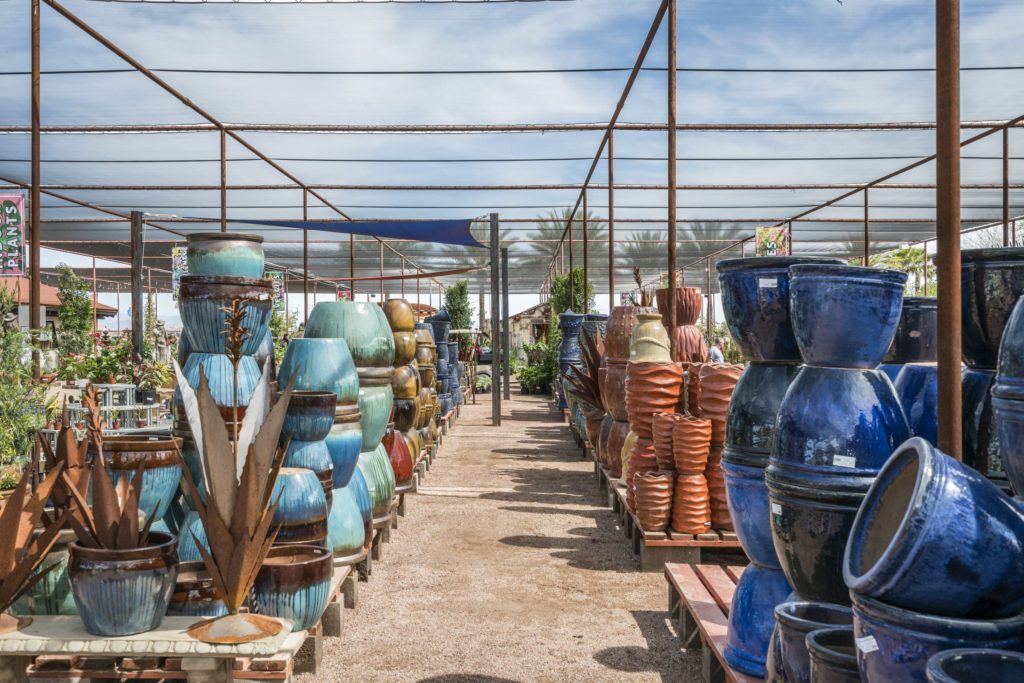
We stock indoor potting mix, orchid bark and perlite for the chunky blends aroids and epiphytes want, balanced houseplant fertilizers, insecticidal soap and neem for the usual mealybug and mite visits, and moss poles, hoops and saucers. The pottery yard has terracotta, glazed and lightweight pots from 4-inch up, plus hanging baskets and cache pots.
A hybrid between Japanese aralia (Fatsia japonica) and English ivy (Hedera helix), first raised in France in 1912. It has ivy-shaped leaves at fatsia scale and can climb or mound.
Yes, in full shade — it is hardy to the low 20s. A north wall, covered entry or shaded courtyard suits it. It cannot take direct sun or reflected heat.
Not reliably. The stems lean rather than cling, so tie them to a trellis or wall wires. Pinched regularly it makes a mound instead.
Too much sun, or reflected heat from a nearby wall. Move it to deeper shade. The cream variegation is the first thing to burn.
When the top inch is dry — every two or three days for an outdoor pot in summer, every five to seven days indoors, less in winter.
It is mildly toxic if eaten, like ivy and fatsia. Keep it out of reach of pets that chew.
Fatshedera live on the houseplant bench; any staff member can point you to them. Locally owned, and a short drive from San Tan Valley, Gilbert, Chandler and Mesa.