

‘Ruby Red’ chard — crimson stems and glossy dark leaves. Beautiful enough for the flower bed, and tough enough to carry through a Phoenix summer with afternoon shade. Plant September through February.
Chard is the leafy green that keeps going after lettuce and kale have bolted. Planted in fall it produces through winter and spring, and with afternoon shade and steady water it often survives the summer to give a second season, making it the closest thing to a year-round green in the low desert. ‘Ruby Red’ has stems the color of rhubarb under glossy, crinkled dark leaves — handsome enough to plant in the front border.
Harvest the outer leaves, never the center, and it keeps coming for months. The rest of the edible benches are on our Herbs & Vegetables page.
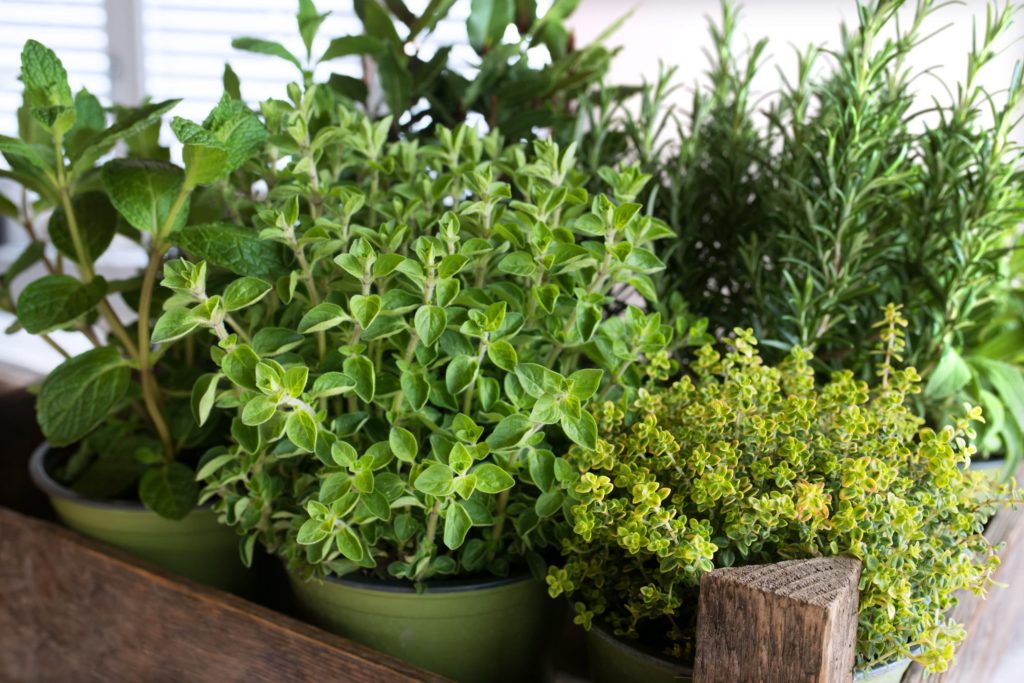
This is the swiss chard we commonly carry. Availability changes week to week and season to season, so call (480) 987-3308 or stop in to see what’s on the bench today.
Rhubarb chard: bright red stems and veins on glossy, savoyed dark green leaves, on an upright plant to two feet. Mild, spinach-like flavor; stems cook like celery.
Looking for one that isn’t listed? Ask — we can usually suggest a close match or tell you when it tends to come around.
The care tag was written somewhere else. This is the Queen Creek version.
Transplant from mid-September through February. September plantings need shade cloth and daily water for the first two weeks. Fall plantings produce through May and, with shade, through summer; spring plantings produce until the heat and can carry over too. Chard eventually bolts in its second spring.
Rich, well-drained soil with compost and a balanced organic fertilizer at planting; a deep container works too. Even moisture on drip — every two to three days in fall and spring, every four to five in winter, daily in summer — with mulch. Drought toughens the leaves.
Side-dress with a nitrogen-rich organic fertilizer every four to six weeks, or liquid fish emulsion every three weeks. A plant producing weekly needs regular food.
Full sun from October through March; afternoon shade from April through September is what keeps it alive through summer. Under 30–40 percent shade cloth, or on the east side of taller plants, it produces smaller but usable leaves all summer.
Cut the outer leaves at the base when they reach eight to ten inches, a few per plant per week, and leave the central growing point. The plant produces continuously for months. Young leaves for salads; mature leaves and stems cooked.
Leaf miners tunnel pale blotches through the leaves in spring; pinch off and discard affected leaves and cover with row cover in March and April when the flies are active. Aphids in warm spells; hose off. Chard is non-toxic to pets.
Photo of the bed, how much sun it gets and what you want to eat — we’ll match varieties and planting dates to it. Advice is free.
We stock raised-bed and vegetable planting mix, compost and steer manure by the bag or the yard, organic vegetable fertilizers, tomato cages and stakes, shade cloth for the May-to-September stretch, frost cloth for January, and drip fittings. The pottery yard has half-barrels and 15-gallon pots for patio vegetables, and soil and mulch is sold by the bag or by the yard.
Mid-September through February. It produces from late fall through spring and, with afternoon shade and water, often through summer as well.
Often, yes — with afternoon shade or shade cloth and daily water. The leaves are smaller in the heat but usable. It is the toughest leafy green for our climate.
Leaf miner larvae tunnelling between the leaf surfaces, common in spring. Remove affected leaves and cover the bed with row cover in March and April.
Cut the outer leaves at the base and leave the center. A plant yields a few leaves a week for months.
Every two to three days in fall and spring, every four to five in winter, daily in summer, with mulch.
Yes, in the amounts a pet would nibble.
Swiss Chard live on the herb and vegetable benches; any staff member can point you to them. Locally owned, and a short drive from San Tan Valley, Gilbert, Chandler and Mesa.