

The Easter cactus — the flat-stemmed holiday cactus that blooms in spring in red, pink, orange and white. Sold in bud; bright indirect light and a cool winter bring it back every year.
Spring cactus (Rhipsalidopsis, now filed under Hatiora) is the third of the holiday cacti after Thanksgiving and Christmas, and the one with the most flower for the size: starry, symmetrical blooms in clear reds, pinks, oranges and white that cover the flat, segmented stems in March and April. It is a jungle epiphyte like its relatives, which means shade, regular water, and none of the desert-cactus treatment.
We sell it in bud. Getting it to rebloom next year is about winter: cooler nights and shorter days from November on set the buds. The rest of the bench is on our Succulents page.

This is the spring cactus we commonly carry. Availability changes week to week and season to season, so call (480) 987-3308 or stop in to see what’s on the bench today.
Flat, scalloped stem segments on an arching plant to a foot across, covered in star-shaped flowers in spring. Sold in bud; colors vary by pot — red, pink, orange, white. Bright indirect light, evenly moist in summer.
Looking for one that isn’t listed? Ask — we can usually suggest a close match or tell you when it tends to come around.
The care tag was written somewhere else. This is the Queen Creek version.
Bright indirect light indoors — an east window is ideal — or a covered patio in bright shade outdoors. Direct sun, even through a window in summer, reddens and scorches the segments. Too little light and it grows weakly and won’t set buds.
Buds set in winter with cool nights (50–60°F) and short days. Keep it in a room that cools at night, or on a covered patio through the mild months, and away from lamps in the evening from November through January. Once buds show, don’t move the plant — a change in light or temperature makes it drop them.
Frost-tender: indoors or under cover below about 40°F. It tolerates our summer heat in deep shade with regular water, but a bright room with air conditioning is easier. Keep it away from heater vents in winter, which dry it and drop the buds.
From spring through early fall, water when the top inch is dry — every five to seven days indoors, more often outdoors in summer heat — and let it drain. From November to February, let it dry more between waterings, every two weeks or so, while the buds set. Never let it sit in water; a chunky, well-draining mix in a pot with a hole.
An orchid-cactus or chunky potting mix with bark and perlite. It flowers best slightly pot-bound; repot every two or three years after flowering. Feed a balanced fertilizer at half strength monthly from after bloom through September, then stop.
Non-toxic to cats and dogs. Mealybugs at the segment joints — swab with rubbing alcohol. After flowering, twist off a segment or two from the tips to keep it bushy; the segments root in dry mix and make new plants.
Stretching, mushy stems, a sunburned side — snap a photo of the plant and where it lives and we’ll sort it out at the bench. Advice is free.
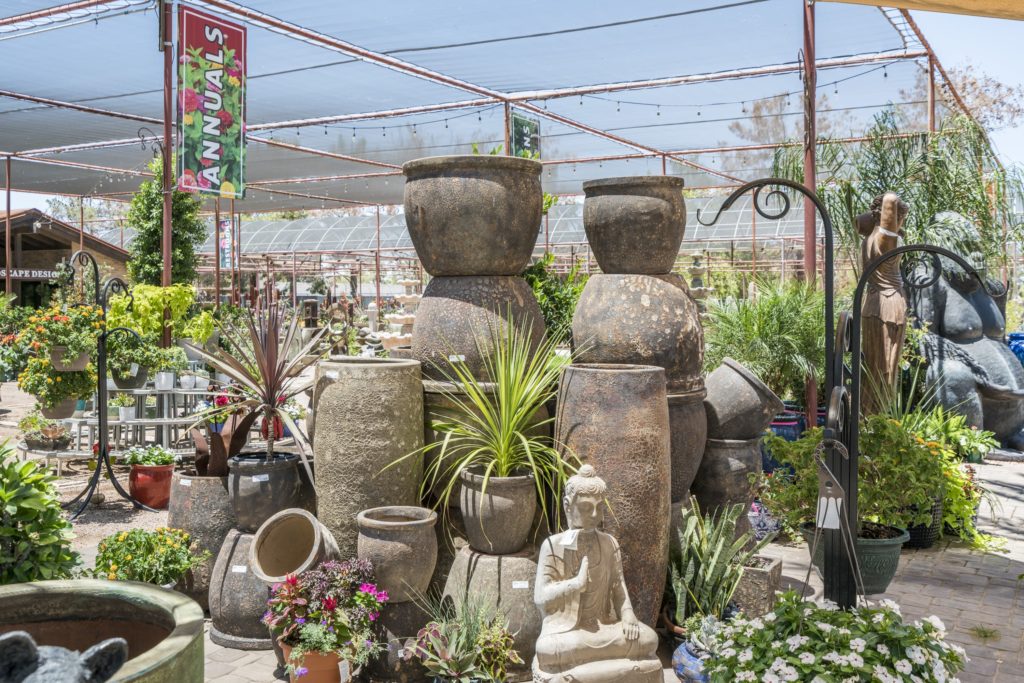
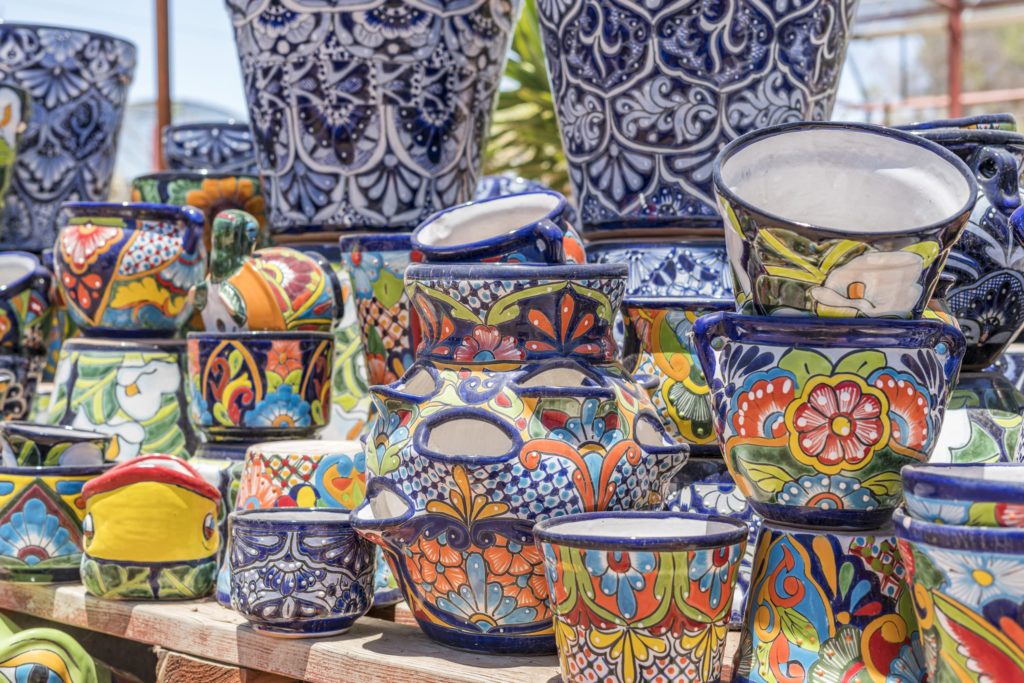
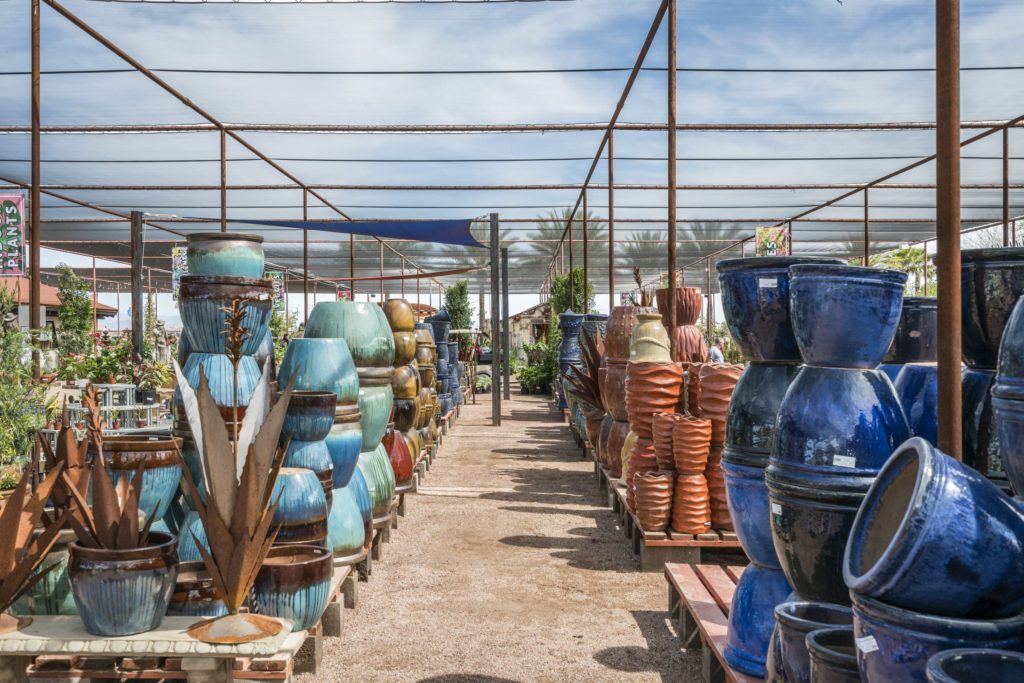
Succulents live or die on drainage. We stock cactus and succulent mix, pumice and grit to open it up further, slow-release low-nitrogen fertilizer, and the shallow terracotta and glazed pots that dry out the way they like. The pottery yard has bowls, strawberry jars and hanging baskets for the trailing types.
The plant was moved, the light changed, or it got a draft or a dry spell while in bud. Once buds show, keep everything constant — same spot, same watering — until it finishes flowering.
A cool, drier winter with short days: nights of 50–60°F and no evening lamp light from November through January. Bright indirect light the rest of the year. It should bud in February and flower in March or April.
Every five to seven days in summer when the top inch is dry, every two weeks in winter. It is a jungle cactus and wants more water than a desert one, but never soggy soil.
Yes — holiday cacti are non-toxic to cats and dogs.
On a covered patio in bright shade in spring and fall, with a move indoors for frost and, for most people, for the summer heat.
Spring (Easter) cactus has rounder, scalloped segments and symmetrical star-shaped flowers in spring; Christmas and Thanksgiving cacti have pointed or toothed segments and flower in winter. Care is nearly the same.
Spring Cactus live on the succulent bench; any staff member can point you to them. Locally owned, and a short drive from San Tan Valley, Gilbert, Chandler and Mesa.