

Ruta graveolens — blue-gray lacy foliage and yellow flowers on a two-foot Mediterranean shrublet. Handsome, drought-proof and a butterfly host. Wear gloves: the sap blisters skin in sunlight.
Rue is grown today for its looks and its wildlife value rather than its bitter leaves: a neat dome of finely cut, blue-gray foliage that stays evergreen through our winters, mustard-yellow flowers in late spring, and a reputation as a host plant for giant swallowtail and black swallowtail caterpillars. It is a Mediterranean native that thrives in full sun and poor, dry soil — ideal for a xeriscape herb garden or a hot border.
It comes with one serious caution. The sap contains compounds that cause a blistering rash on skin exposed to sunlight (phytophotodermatitis). Wear gloves and long sleeves to prune it and plant it away from paths, children and pets. We commonly carry organic rue. The rest of the edible benches are on our Herbs & Vegetables page.
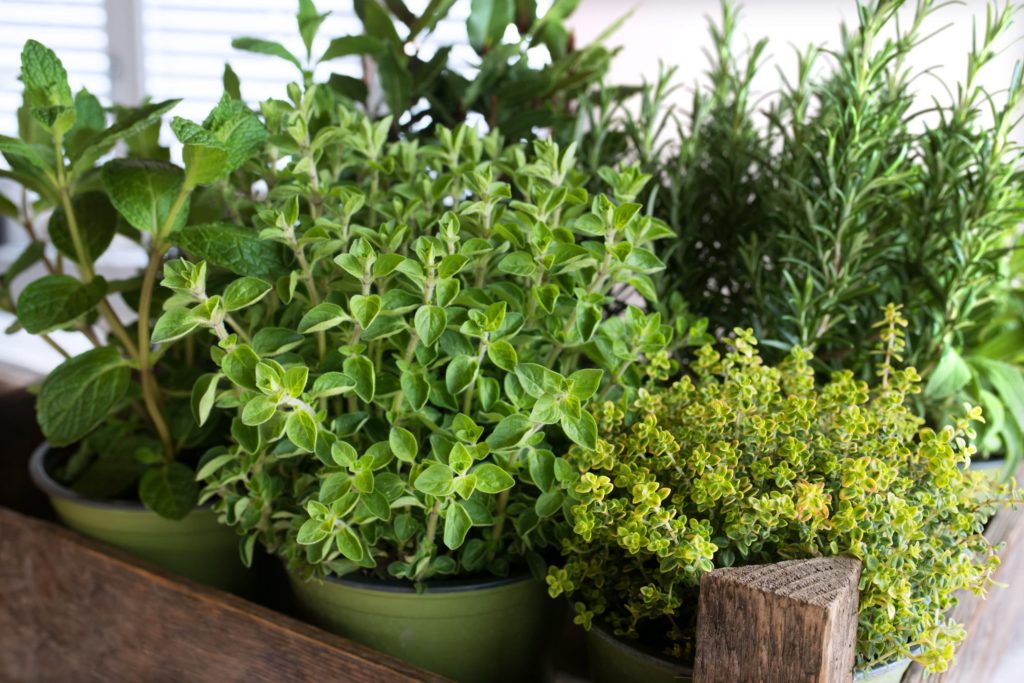
This is the rue we commonly carry. Availability changes week to week and season to season, so call (480) 987-3308 or stop in to see what’s on the bench today.
A rounded evergreen shrublet to two feet with lacy blue-gray leaves and clusters of small yellow flowers in late spring and summer. Full sun, lean soil, very little water once established.
Looking for one that isn’t listed? Ask — we can usually suggest a close match or tell you when it tends to come around.
The care tag was written somewhere else. This is the Queen Creek version.
Rue’s sap on skin followed by sunlight causes red, blistering burns that can take weeks to heal. Prune it in gloves and long sleeves, preferably on a cloudy day or in the evening, wash tools and hands afterwards, and never brush against it bare-armed in summer. Plant it at the back of a bed, away from paths and play areas.
Lean, sharply drained soil — unamended native soil on a raised or sloped site is fine. Water every four or five days for the first month, then weekly in summer and every two to three weeks in winter. Overwatering, especially in monsoon season, is the only common way to lose it.
Rue hosts giant swallowtail and black swallowtail caterpillars — striped or bird-dropping-patterned larvae that strip a few stems and become spectacular butterflies. Plant enough to share, and don’t spray.
Spring, February through April, or fall, October and November. Full sun all day, including reflected heat; it is a Mediterranean plant that colors bluest in the sun and grows open and green in shade.
Cut the plant back by a third in early spring to keep it compact; it gets woody and open otherwise. Deadhead flowers if you don’t want it to self-seed. Wear gloves.
The sap irritates animals as well as people, and the plant is toxic to pets if eaten; keep dogs and cats away from it. No fertilizer needed beyond a light dose in spring.
Photo of the bed, how much sun it gets and what you want to eat — we’ll match varieties and planting dates to it. Advice is free.
We stock raised-bed and vegetable planting mix, compost and steer manure by the bag or the yard, organic vegetable fertilizers, tomato cages and stakes, shade cloth for the May-to-September stretch, frost cloth for January, and drip fittings. The pottery yard has half-barrels and 15-gallon pots for patio vegetables, and soil and mulch is sold by the bag or by the yard.
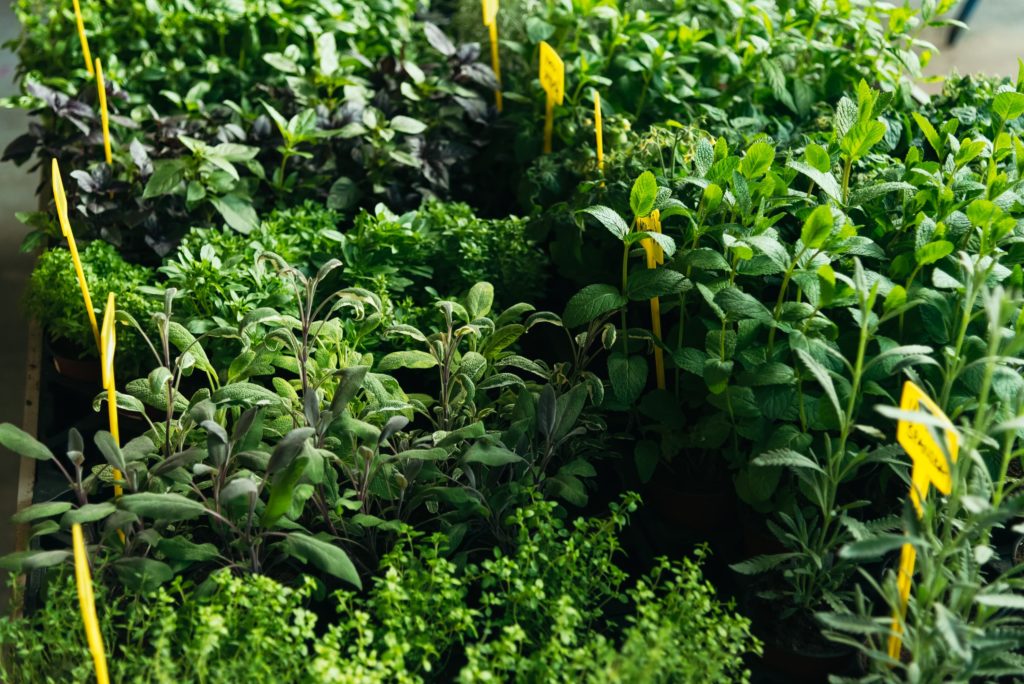
The sap can cause a blistering rash on skin exposed to sunlight. Wear gloves and long sleeves when pruning, wash afterwards, and keep it away from paths and children.
Historically yes, in tiny amounts, but it is bitter and can be harmful in quantity. Grow it for the foliage and the butterflies, not the kitchen.
Weekly in summer once established, every two to three weeks in winter. It prefers dry conditions.
Yes — evergreen and hardy in Queen Creek.
Giant swallowtail or black swallowtail larvae. Rue is one of their host plants; let them finish.
No. It is toxic if eaten and the sap irritates skin and mouths. Plant it where pets can’t reach.
Rue live on the herb and vegetable benches; any staff member can point you to them. Locally owned, and a short drive from San Tan Valley, Gilbert, Chandler and Mesa.