

‘Kaleidoscope Mix’ — peppery edible leaves and flowers in orange, yellow and red on a trailing plant. A winter annual in the low desert: plant October through February.
Nasturtiums are the easiest edible flower there is: round lily-pad leaves and bright funnel flowers, both with a peppery watercress bite, on a plant that trails over the edge of a raised bed or a pot. In Queen Creek they are a cool-season annual — planted in fall, flowering from December until the May heat collapses them — and they want poor soil, not rich, to flower well.
We commonly carry ‘Kaleidoscope Mix’. Plant them along the edges of the vegetable garden, where they draw aphids away from the brassicas and lettuce. The rest of the edible benches are on our Herbs & Vegetables page.
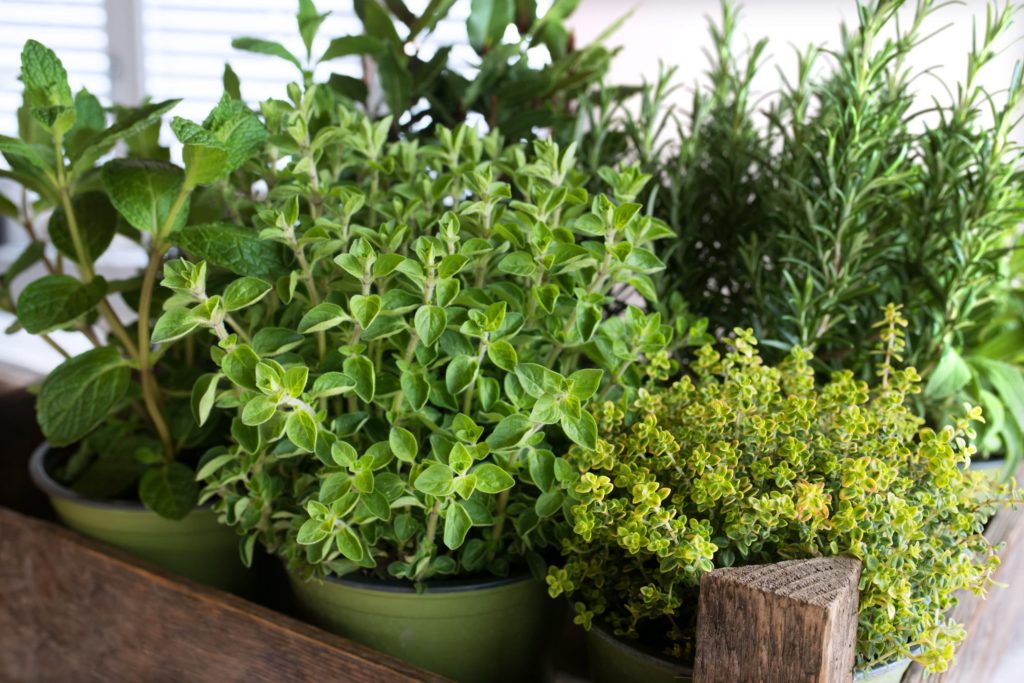
This is the nasturtium we commonly carry. Availability changes week to week and season to season, so call (480) 987-3308 or stop in to see what’s on the bench today.
A trailing mix in orange, gold, red, salmon and cream with round green leaves. Trails two to three feet from a bed or pot. Cool-season annual, October through May; edible leaves, flowers and green seed pods.
Looking for one that isn’t listed? Ask — we can usually suggest a close match or tell you when it tends to come around.
The care tag was written somewhere else. This is the Queen Creek version.
Set out young plants from October through February. Fall plantings flower longest, from December to May. A March planting still flowers but is done by early May. Nasturtiums collapse once afternoons pass the mid-90s; there is no summer nasturtium here.
Nasturtiums flower best in lean, unamended soil. Rich compost and fertilizer produce a mound of huge leaves and few flowers. Plant them in ordinary garden soil or a potting mix without added fertilizer, and skip the feeding.
Pick young leaves and open flowers for salads — peppery, like watercress. The green seed pods, pickled, are a caper substitute. Picking flowers keeps them coming. Let a few pods mature and drop for volunteers next fall.
Full sun through winter for the most flowers; afternoon shade in April and May extends them into late spring. In shade they make leaves and few blooms.
Moderate: every three or four days in fall and spring, weekly in winter. They wilt in a dry spell and recover quickly; consistent water gives better leaves for salads.
Black aphids cluster on the stems and flower buds in spring — hose them off, or treat nasturtiums as the trap crop they are and let them draw aphids away from your lettuce. Non-toxic to cats and dogs. Plant them along the edges of beds with brassicas, lettuce and strawberries.
Photo of the bed, how much sun it gets and what you want to eat — we’ll match varieties and planting dates to it. Advice is free.
We stock raised-bed and vegetable planting mix, compost and steer manure by the bag or the yard, organic vegetable fertilizers, tomato cages and stakes, shade cloth for the May-to-September stretch, frost cloth for January, and drip fittings. The pottery yard has half-barrels and 15-gallon pots for patio vegetables, and soil and mulch is sold by the bag or by the yard.
October through February. They are a cool-season annual here and finish when the heat arrives in May.
The soil is too rich or you are fertilizing. Nasturtiums flower on lean soil; stop feeding and give them full sun.
Yes — leaves, flowers and green seed pods all have a peppery flavor. Rinse and add to salads; pickle the pods.
Every three or four days in fall and spring, weekly in winter. Moderate moisture.
Nasturtiums attract aphids, which is one reason gardeners plant them near vegetables. Hose them off, or let the plants take the hit instead of your lettuce.
Yes, nasturtiums are non-toxic to cats and dogs.
Nasturtium live on the herb and vegetable benches; any staff member can point you to them. Locally owned, and a short drive from San Tan Valley, Gilbert, Chandler and Mesa.