

‘Black Watchman’ — six-foot spikes of single, near-black maroon flowers from a fall planting. The heirloom back-of-border plant: full sun, deep water, a stake in wind, and an eye on rust.
Hollyhocks are the cottage-garden spire — six feet of stem lined with saucer flowers, against a wall or a fence — and ‘Black Watchman’ is the darkest of them, a single-flowered heirloom in a maroon so deep it reads black. In the low desert hollyhocks are grown as fall-planted annuals: set out from October, they build a rosette over winter and flower from April into June. Some survive as short-lived perennials in a well-drained spot; most are replanted.
We commonly carry ‘Black Watchman’. Full sun, deep water, and plant it where rust can be managed. The rest of the color tables are on our Annual Flowers & Foliage page.

This is the hollyhock we commonly carry. Availability changes week to week and season to season, so call (480) 987-3308 or stop in to see what’s on the bench today.
Alcea rosea ‘Black Watchman’: an heirloom dating to the 1600s with single, glossy, near-black maroon flowers on spikes to six feet. Fall-planted; blooms April to June.
Looking for one that isn’t listed? Ask — we can usually suggest a close match or tell you when it tends to come around.
The care tag was written somewhere else. This is the Queen Creek version.
Set out from mid-October through January so the plant makes a large rosette before spring. Fall plantings flower from April into June; spring plantings usually only make leaves the first year. Hollyhocks are frost-hardy.
Deep, well-drained soil amended with compost; hollyhocks have a taproot and appreciate depth. Water deeply every three to four days through winter and every two to three once the spike rises in spring, at the base, never over the leaves. Mulch.
A six-foot spike in a spring wind needs a stake: drive a tall bamboo cane at planting and tie the stem loosely every foot as it grows, or plant against a fence and tie to it.
Full sun, with the back of a border, a wall or a fence behind for support and backdrop. Good airflow around the plants matters for rust — don’t crowd them into a corner.
Hollyhock rust — orange pustules on the undersides of lower leaves — is nearly universal by May. Water at the base, remove and bin spotted leaves as they appear, space plants two feet apart, and accept that the lower leaves will go; the flowers are unaffected. Pull plants after flowering rather than leaving them to spread spores.
A balanced fertilizer at planting and once in February. Aphids and leaf-chewing weevils occasionally; hose and hand-pick. Hollyhocks are non-toxic to cats and dogs.
Snap a photo of the spot — sun direction, wall color, pot size — and we’ll pick a season-correct combination with you. Advice is free.
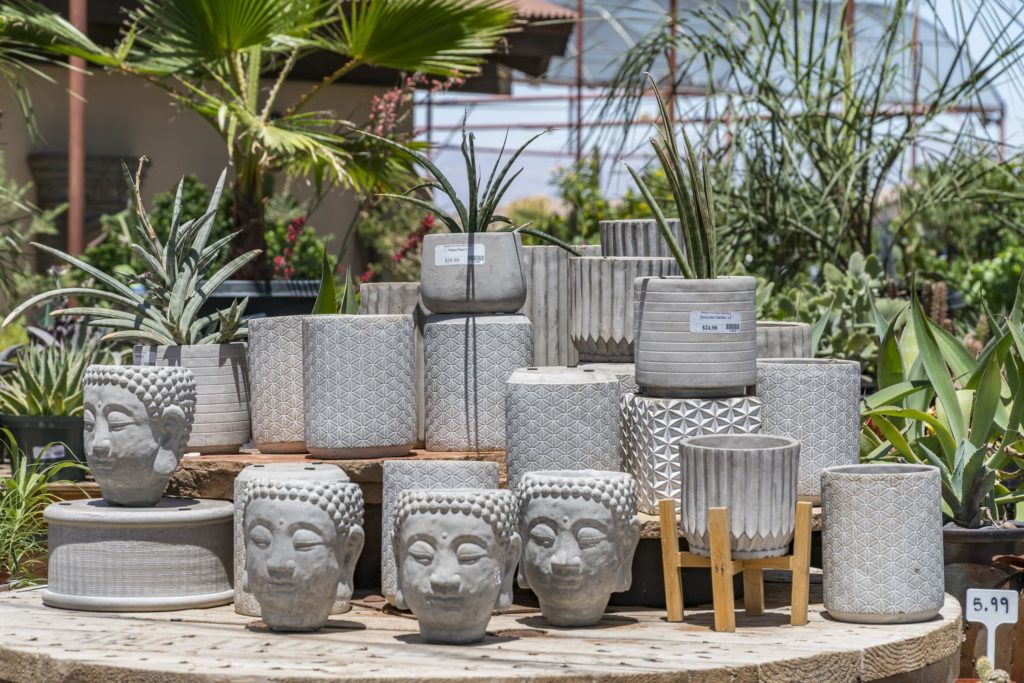
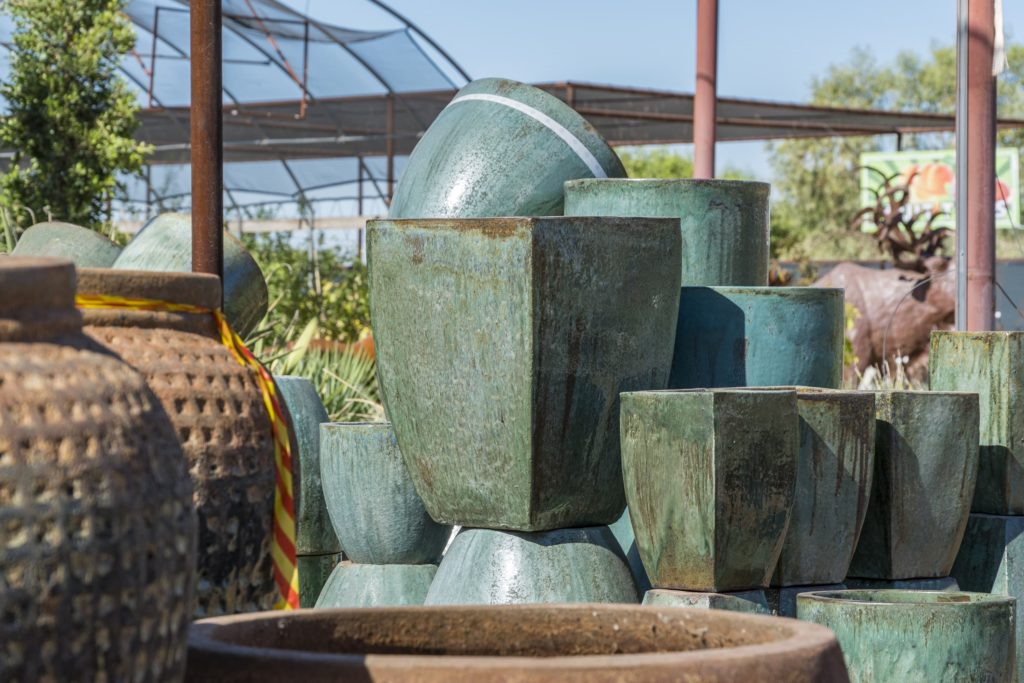
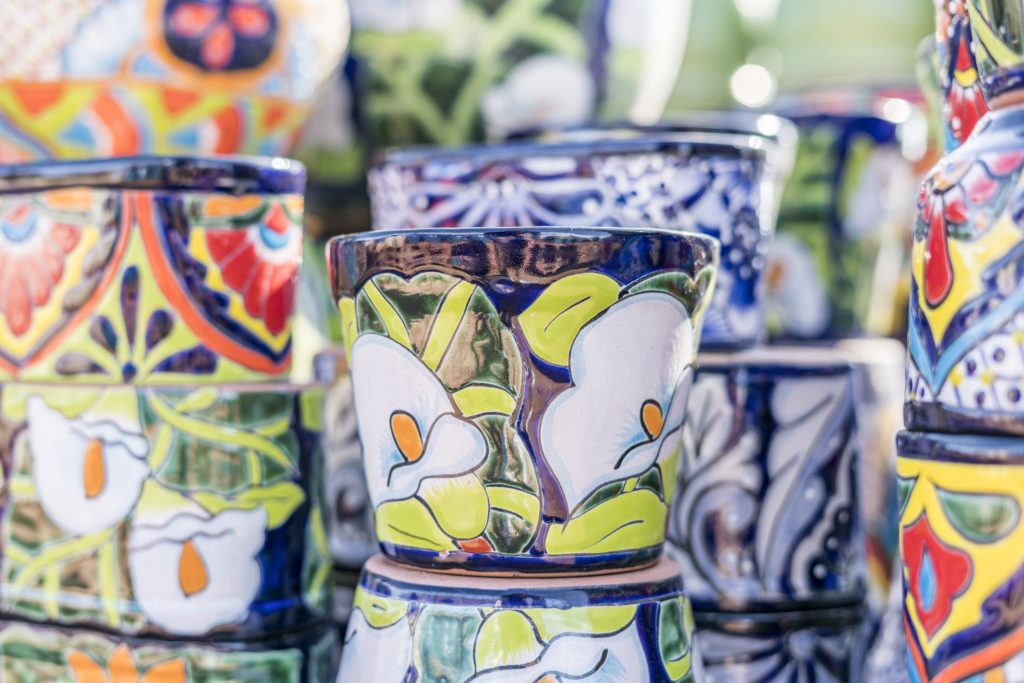
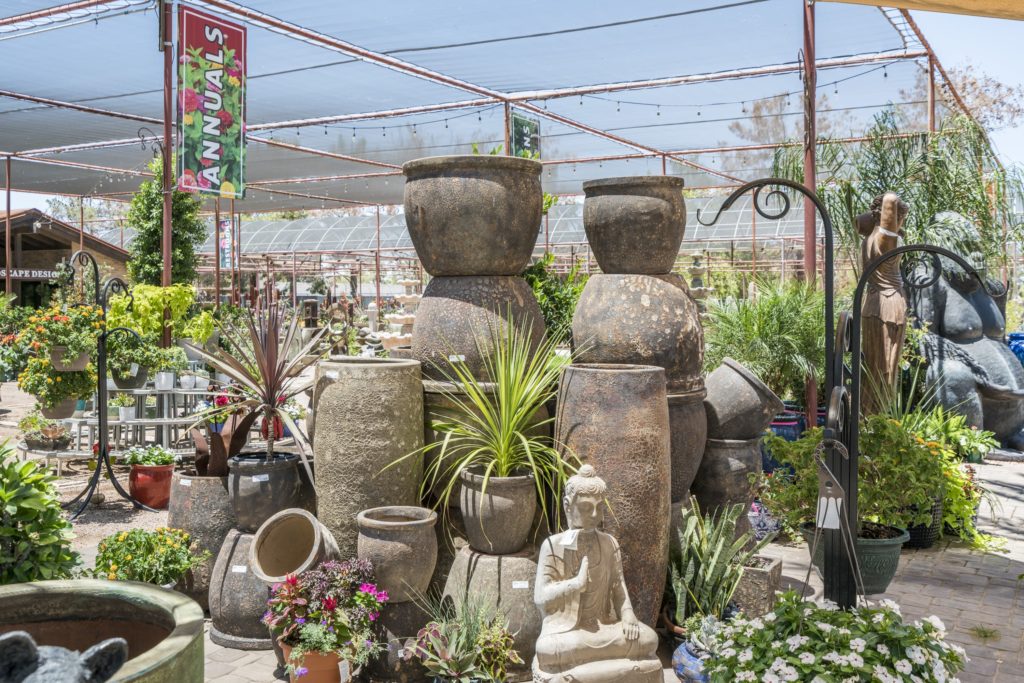
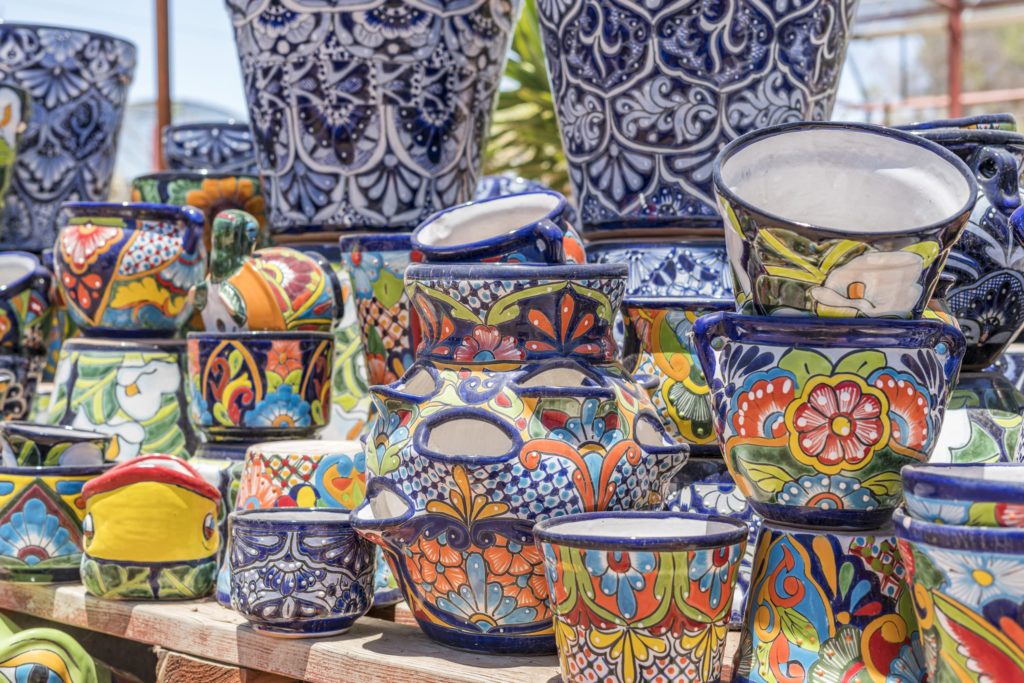
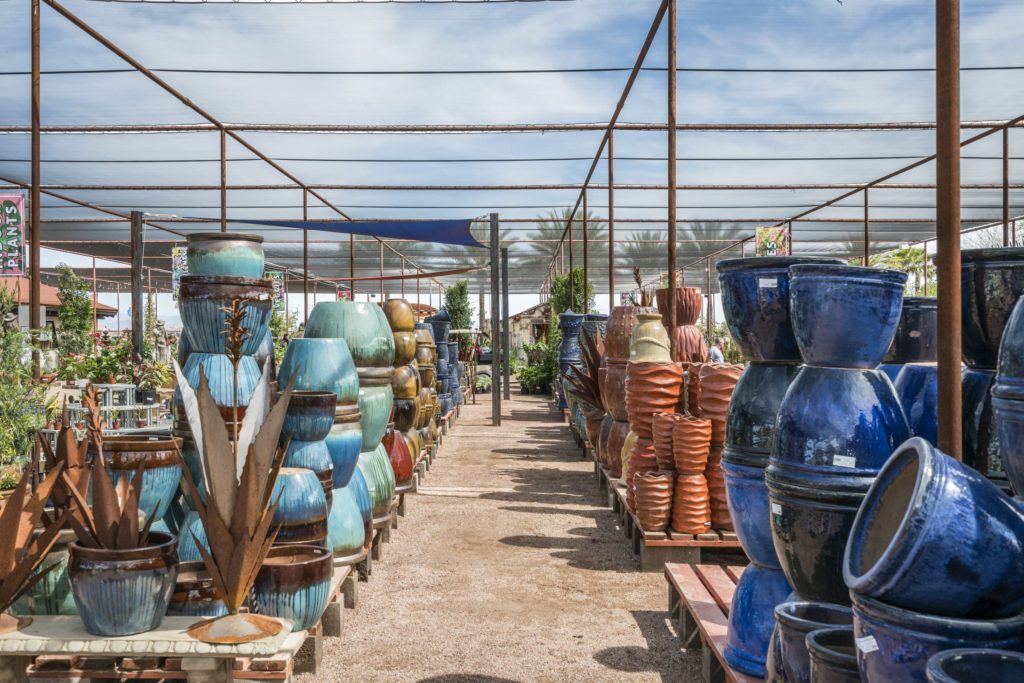
Annuals succeed or fail on what’s under them. We stock planting mix and compost for beds, potting mix for containers, bloom fertilizers including Tony’s Magic Mix and Magic Flower, starter fertilizer, drip fittings and frost cloth for the cold nights. The pottery yard has glazed and terracotta pots from 4-inch to whiskey-barrel size, window boxes and hanging baskets, and soil and mulch is sold by the bag or by the yard.
Mid-October through January for flowers in April to June. Spring plantings mostly make leaves the first year.
Hollyhock rust, almost inevitable by late spring. Remove spotted leaves, water at the base, space plants for airflow, and pull the plants after flowering.
Sometimes, as short-lived perennials in well-drained soil, and they self-sow. Most people replant in fall.
Deeply every three to four days in winter and every two to three in spring, at the base.
Yes — a six-foot spike blows over in March wind. Stake at planting or grow them against a fence.
Yes, non-toxic to cats and dogs.
Hollyhock live on the annuals tables; any staff member can point you to them. Locally owned, and a short drive from San Tan Valley, Gilbert, Chandler and Mesa.