Grasses & Grass-likes at Desert Horizon Nursery · Queen Creek
Corkscrew Rush in Queen Creek
Juncus effusus ‘Twister’ — a foot-tall tangle of spiralling green stems for pots and water features. Afternoon shade and constant moisture in the low desert; evergreen through a mild winter.
Corkscrew rush is a wetland plant whose round, leafless stems grow in tight spirals and loops instead of straight up, making a foot-tall tangle that looks like green wire. It is a plant for the odd corner: the edge of a pond, a bog pot, a container that sits in a saucer, or as a textural filler beside papyrus. In Queen Creek it wants what its cousins want — its feet wet — plus afternoon shade to keep the stems from bleaching in summer.
We commonly carry ‘Twister’. It is a hardy perennial that stays evergreen in a mild winter and returns from the roots after a hard one. The rest of the bench is on the Plants pages.
This is the corkscrew rush we commonly carry. Availability changes week to week and season to season, so call (480) 987-3308 or stop in to see what’s on the bench today.
‘Twister’
Juncus effusus ‘Twister’ (spiralis): a compact corkscrew rush to 12–18 inches with tightly coiled dark green stems, for containers and water gardens. Hardy perennial.
Looking for one that isn’t listed? Ask — we can usually suggest a close match or tell you when it tends to come around.
Grown here · Advice for here
Growing corkscrew rush in the low desert
The care tag was written somewhere else. This is the Queen Creek version.
01
When to plant
Any time from October through April is easiest; container plants can go in through summer if kept wet. It is frost-hardy and usually evergreen here; a hard freeze browns the stems, which regrow from the crown.
03
Water — constant
A bog plant: stand the pot in a saucer kept full, sink it to its rim in a pond margin, or run a drip emitter daily in the ground with mulch. It cannot be overwatered and it browns within days of drying out in summer.
05
Grooming
Cut browned stems at the base as they appear. Shear the whole clump back to a few inches in February to refresh it; new spirals push up by April. Stems that grow straight rather than curled are reversions — cut them out.
02
Sun — afternoon shade
Morning sun and afternoon shade, or bright shade all day, in the low desert. Full summer sun bleaches and browns the stems even in water. Under a patio edge, on the east side, or shaded by taller pond plants.
04
Pot and soil
A heavy potting mix or garden soil in a pot without concern for drainage. Move it into a 10-inch pot; divide the clump every two or three years in spring.
06
Feeding, pests and pets
A balanced fertilizer at half strength once or twice in spring and summer. Nearly pest-free; spider mites only if it dries out. Non-toxic to cats and dogs.
Bring us your spot
Photo of the bed or pot and its sun exposure, and we’ll match the plant and watering to it. Advice is free.
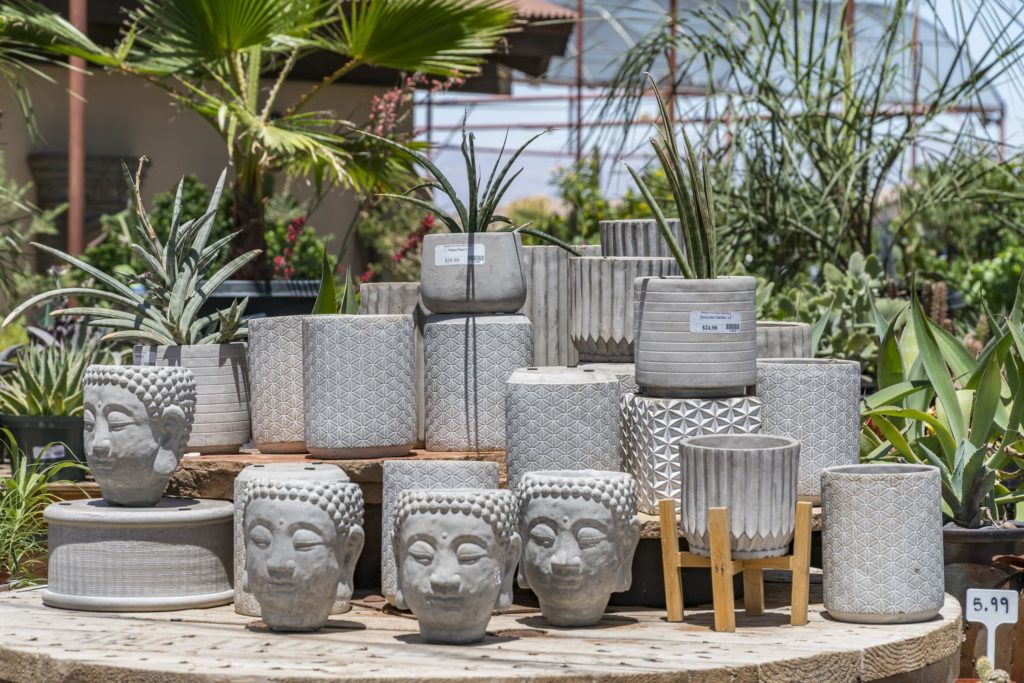
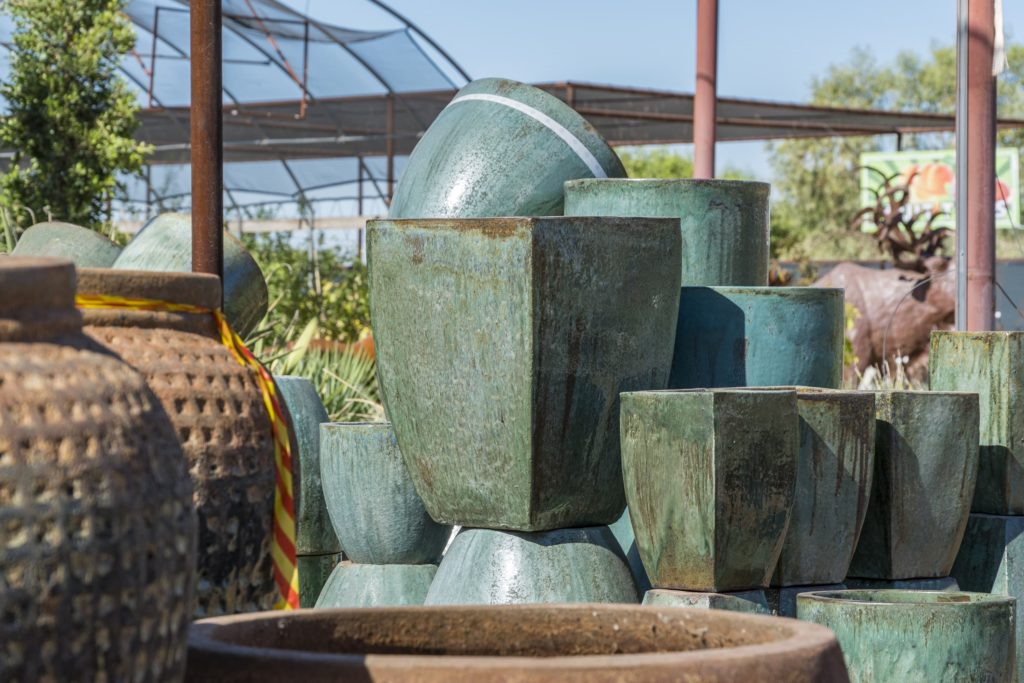
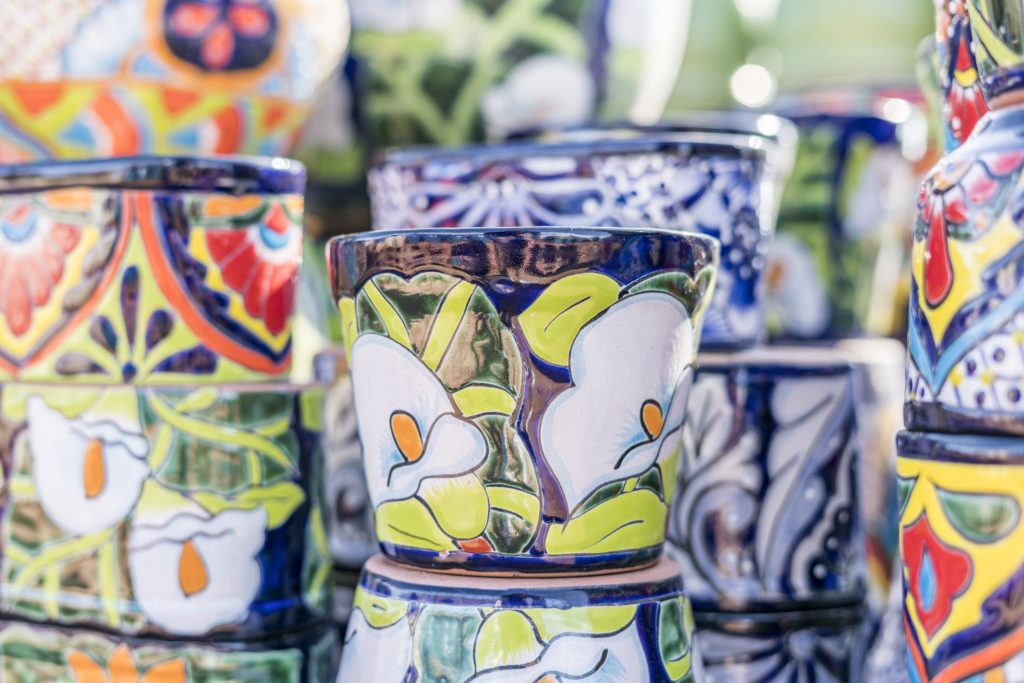
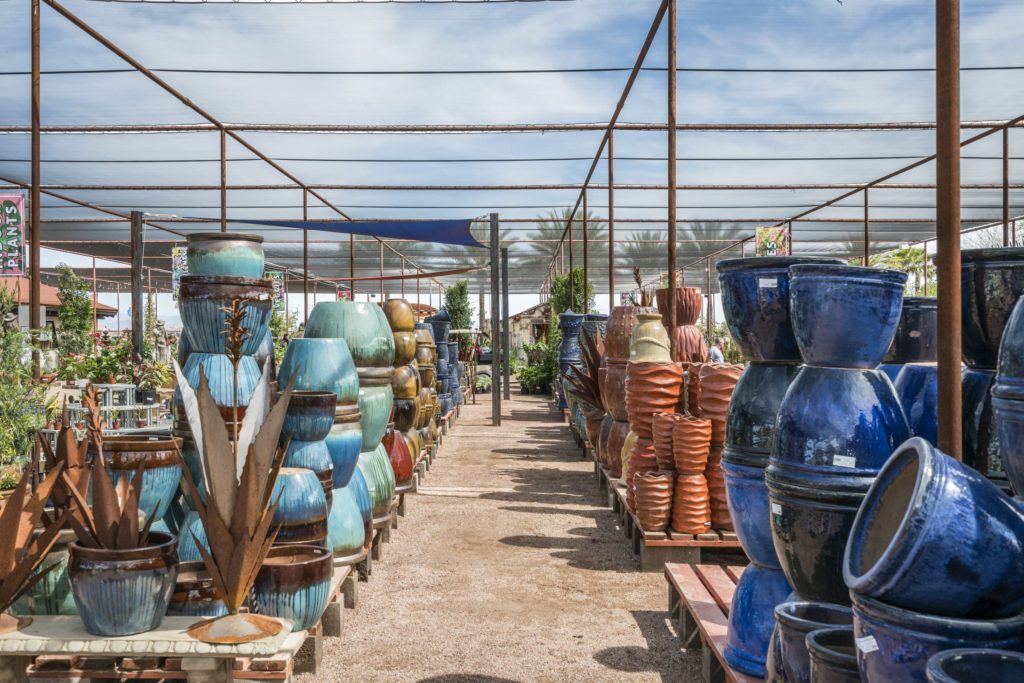
We stock planting mix and compost for beds, slow-release fertilizer, drip fittings and mulch, plus the wide glazed bowls and tall pots that show off grasses and grass-likes on a patio. See the pottery yard and soil and mulch pages.
Corkscrew Rush live on the perennial and grass benches; any staff member can point you to them. Locally owned, and a short drive from San Tan Valley, Gilbert, Chandler and Mesa.