

‘Bon Bon’ orange and yellow — compact, frost-hardy daisies with edible petals for winter beds and the vegetable garden. Plant October through January and deadhead for bloom until May.
Calendula — pot marigold — is the flower that belongs in the winter vegetable garden: cheerful two-inch daisies in orange and yellow from a fall planting until May, petals you can scatter over a salad, and a habit of drawing aphids off the brassicas and hoverflies onto them. It shrugs off frost, asks for nothing special, and self-sows if you let the last flowers go.
We commonly carry the ‘Bon Bon’ series, a compact 10-inch strain in orange and yellow. The rest of the color tables are on our Annual Flowers & Foliage page.

These are the calendula varieties we commonly carry. Availability changes week to week and season to season, so call (480) 987-3308 or stop in to see what’s on the bench today.
Dwarf, early, fully double calendula in deep orange on a compact 10–12-inch plant. Edible petals.
‘Bon Bon’ in bright yellow.
Looking for one that isn’t listed? Ask — we can usually suggest a close match or tell you when it tends to come around.
The care tag was written somewhere else. This is the Queen Creek version.
Set out from mid-October through January. Fall plantings bloom from December until the heat arrives in May. Calendula takes frost to the low 20s and actually blooms better in cool weather. Spring plantings are short-lived.
Any well-drained garden soil; calendula is not fussy about our alkaline ground. Water every three to four days in beds through winter, daily in pots by April. Moderate moisture; it tolerates a dry spell.
A light balanced fertilizer at planting and once a month. Powdery mildew shows up in crowded, humid corners in late winter — space plants a foot apart, water at the base, and remove affected leaves.
Full sun through winter, afternoon shade in April and May to extend the season. Calendula in shade gets leggy and sparse.
Pinch spent flowers every few days and the plant blooms continuously; let them set seed and it slows and stops. Harvest petals for salads or drying in the morning when the flowers are fully open. Leave the last flowers in May to self-sow.
Plant calendula along the edges of beds with broccoli, cabbage, lettuce and onions: it attracts hoverflies and lacewings, and aphids often prefer it to the vegetables. Non-toxic to cats and dogs.
Snap a photo of the spot — sun direction, wall color, pot size — and we’ll pick a season-correct combination with you. Advice is free.
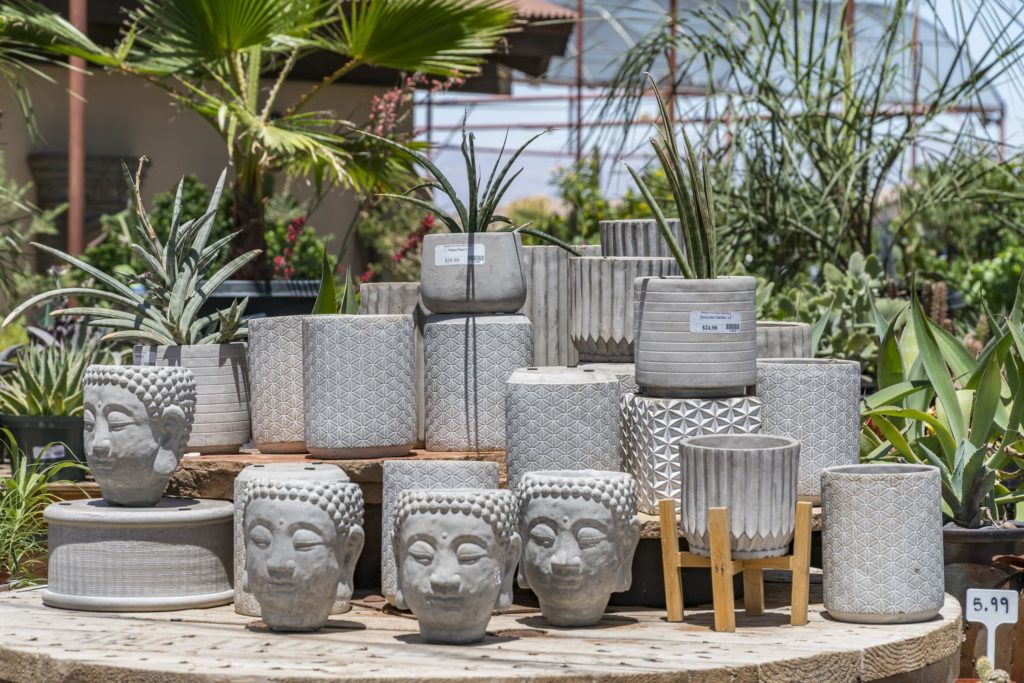
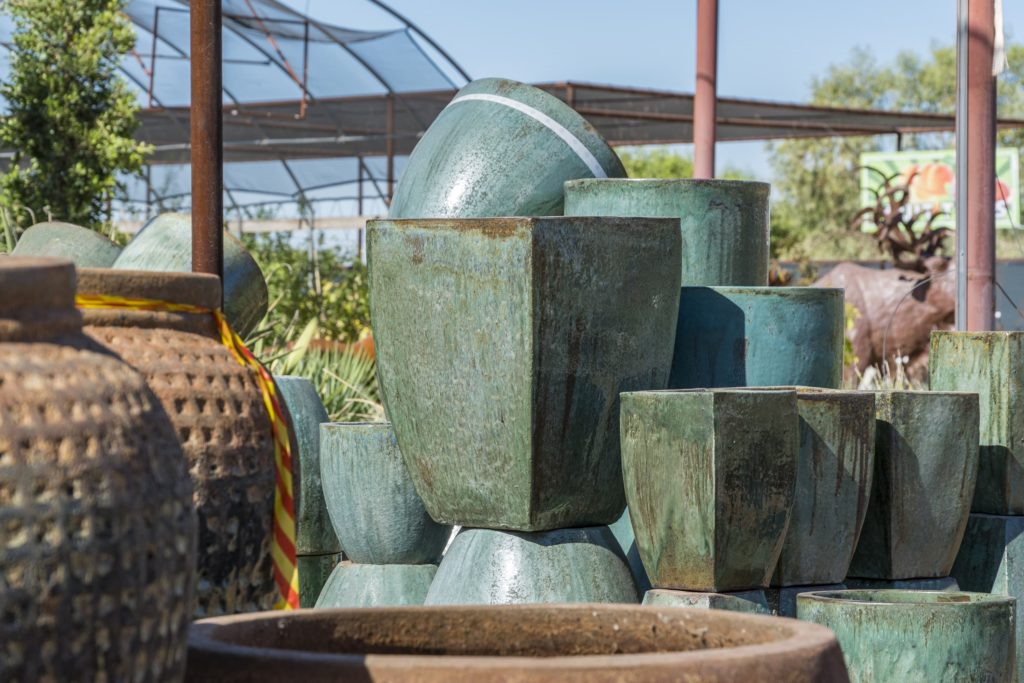
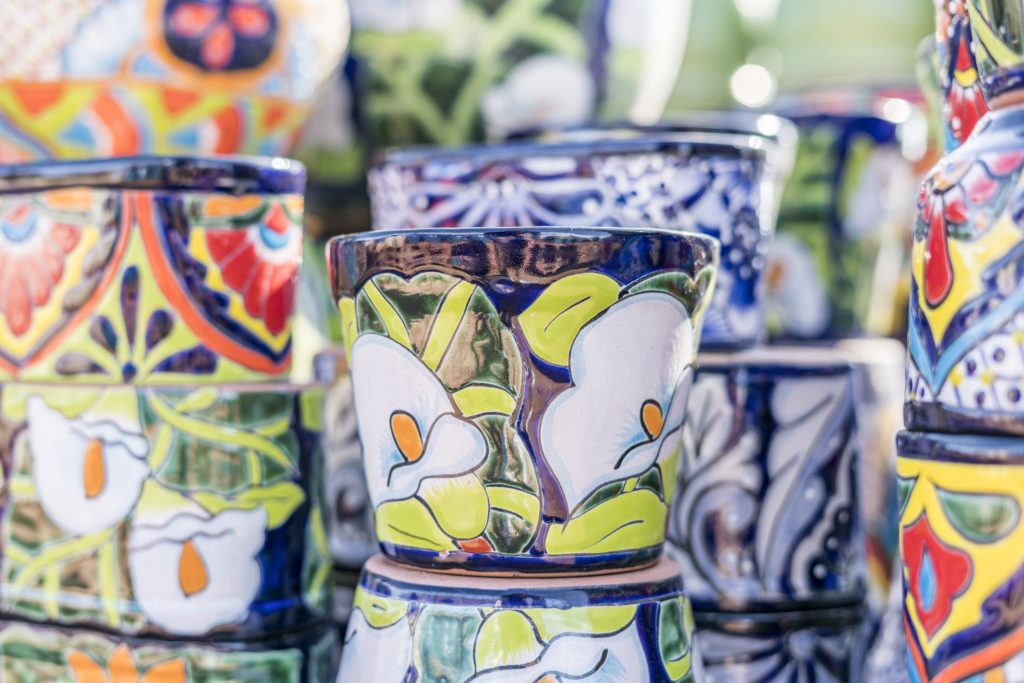
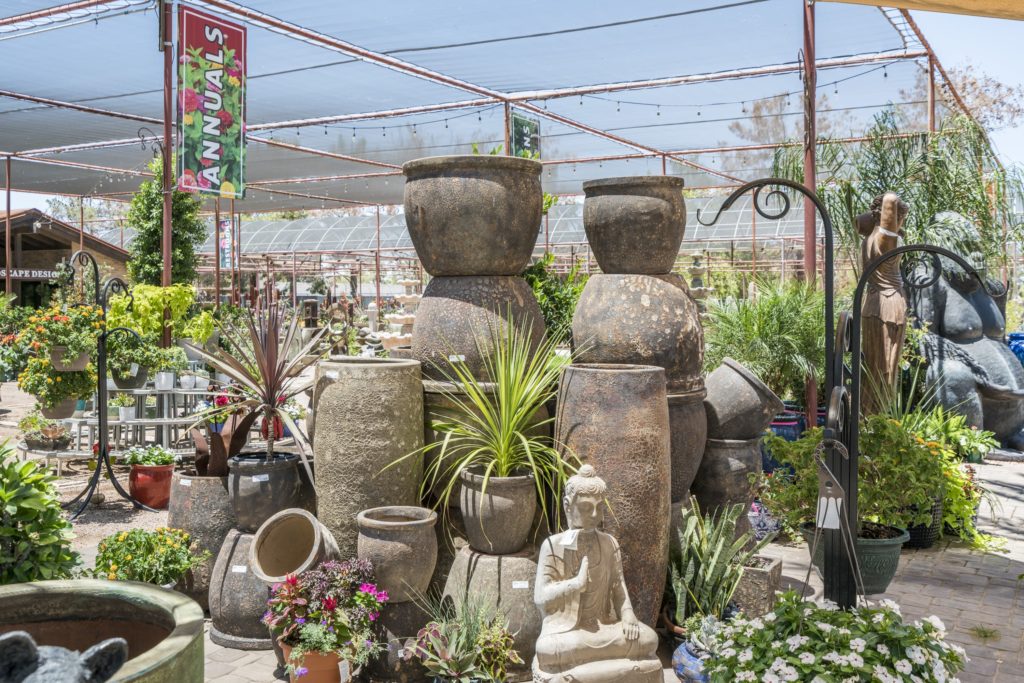
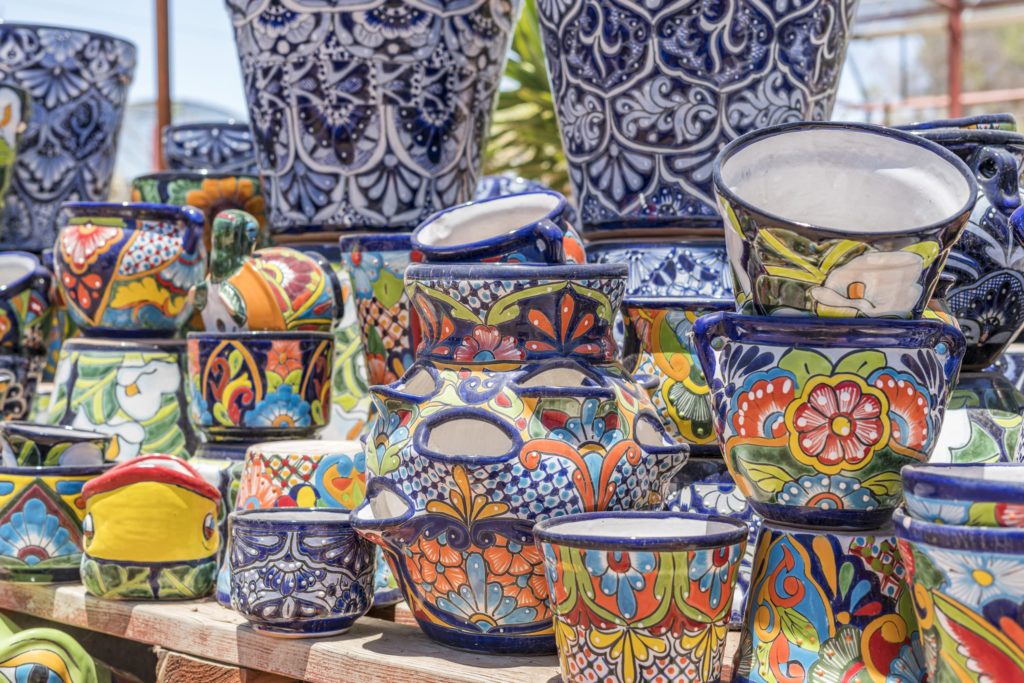
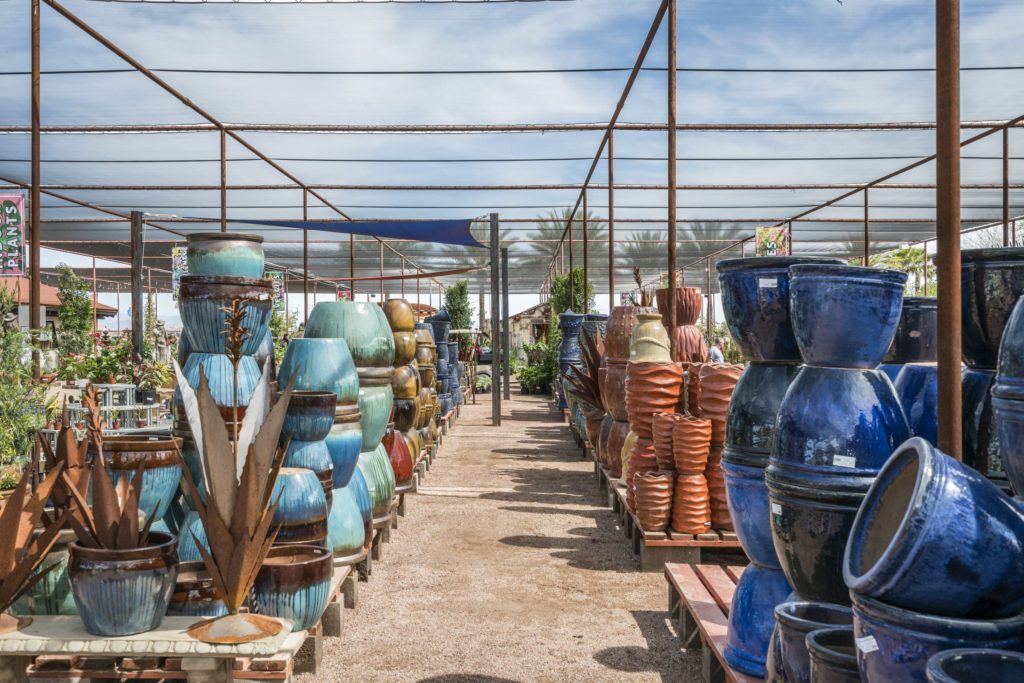
Annuals succeed or fail on what’s under them. We stock planting mix and compost for beds, potting mix for containers, bloom fertilizers including Tony’s Magic Mix and Magic Flower, starter fertilizer, drip fittings and frost cloth for the cold nights. The pottery yard has glazed and terracotta pots from 4-inch to whiskey-barrel size, window boxes and hanging baskets, and soil and mulch is sold by the bag or by the yard.
Mid-October through January. It blooms through winter and spring and finishes in May heat.
Yes — the petals are edible, with a mild peppery taste, and color rice, salads and butter. Pull the petals from the center and use them fresh or dried.
Yes, to the low 20s, and it blooms best in cool weather.
Deadhead every few days. Once it sets seed it slows down. Feed lightly once a month.
Powdery mildew from crowding and humidity. Space plants, water at the base in the morning, and remove the worst leaves.
Yes, calendula is non-toxic to cats and dogs.
Calendula live on the annuals tables; any staff member can point you to them. Locally owned, and a short drive from San Tan Valley, Gilbert, Chandler and Mesa.