

‘Blue Boy’ — the classic cornflower blue on wiry two-foot stems, planted in fall for a spring meadow look and a cutting bed. Full sun, low water once established, and it bolts if planted in spring.
Bachelor’s button is the cornflower of European wheat fields, and in the low desert it grows as a fall-sown wildflower: transplants set out from October to January make a low rosette through winter and then, in March and April, send up wiry stems topped with fringed, intensely blue flowers for six weeks. It is a plant for a meadow bed, a cottage border or a cutting row, and it asks for full sun and not much else.
We commonly carry ‘Blue Boy’, the standard tall blue strain. The trick is timing: fall planting only. The rest of the color tables are on our Annual Flowers & Foliage page.

This is the bachelor’s button we commonly carry. Availability changes week to week and season to season, so call (480) 987-3308 or stop in to see what’s on the bench today.
Centaurea cyanus ‘Blue Boy’: double cornflower-blue flowers on branching 24–30-inch stems above gray-green foliage. Fall-planted; blooms March into May.
Looking for one that isn’t listed? Ask — we can usually suggest a close match or tell you when it tends to come around.
The care tag was written somewhere else. This is the Queen Creek version.
Set out from mid-October through January. The plant needs the winter to build a rosette; spring plantings bolt short and flower for a week or two. Fall plantings bloom from March into May and finish with the heat. Frost-hardy to the low 20s.
Any well-drained soil, including lean and alkaline; cornflowers dislike rich, wet ground. Water every three to four days for the first month, then weekly through winter and every three to four days once flowering starts in March. Overwatering in winter rots the rosette.
Cut stems for the vase when the flowers are just open; they last a week. Deadhead or cut regularly and the plant blooms longer. Let the last flowers set seed in May — it self-sows in a bed left undisturbed.
Full sun. In shade the stems stretch and flop and flowering is poor.
The stems are wiry and blow over in March wind. Plant in a block a foot apart so they hold each other up, or set a low ring of stakes and string around the group. Against a fence or among taller perennials they lean on their neighbors.
No feeding needed beyond a light dose at planting. Aphids on buds in spring; hose them off. Powdery mildew in the final weeks is normal. Non-toxic to cats and dogs.
Snap a photo of the spot — sun direction, wall color, pot size — and we’ll pick a season-correct combination with you. Advice is free.
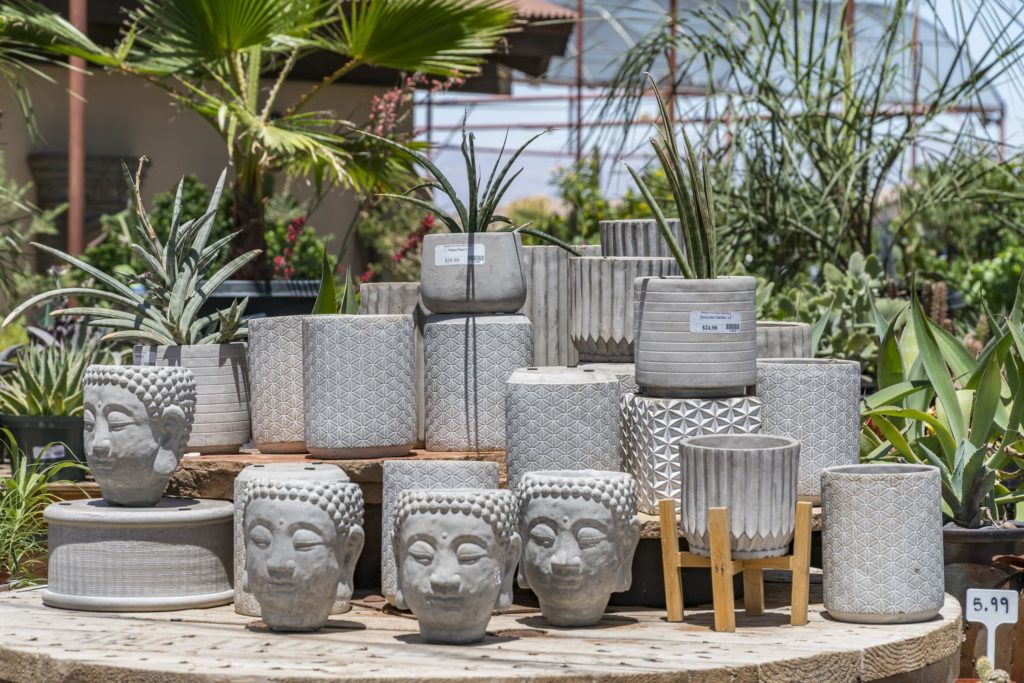
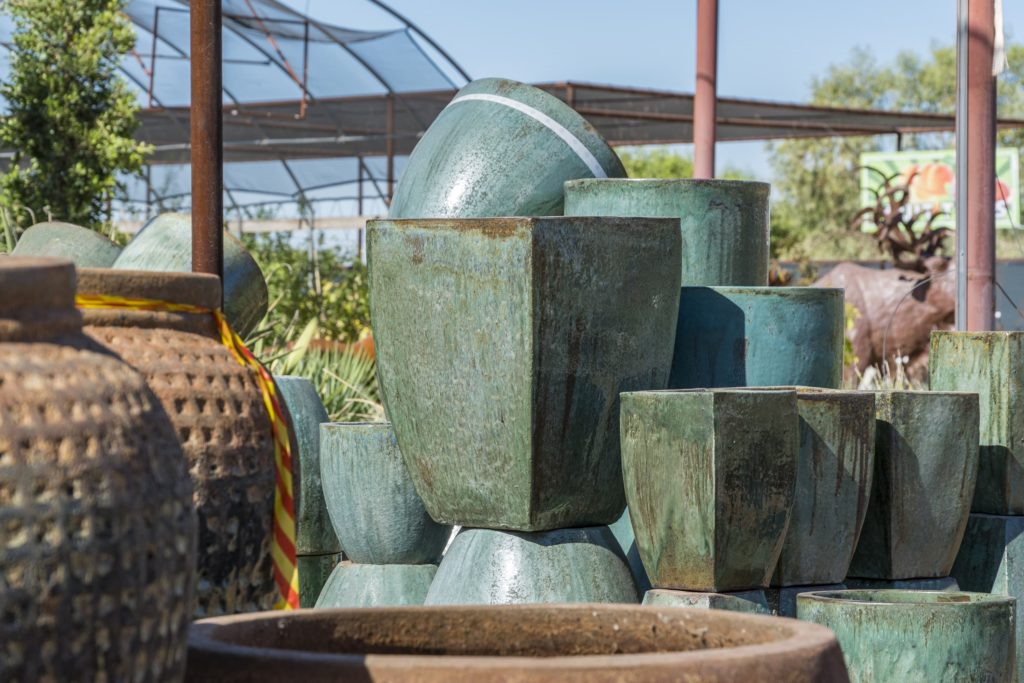
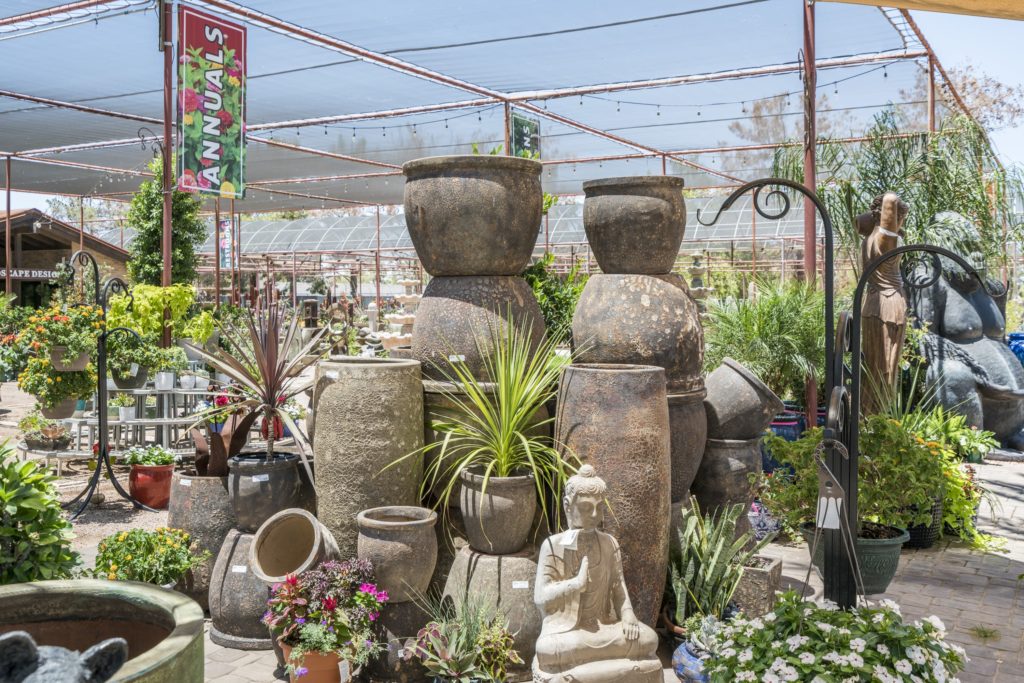
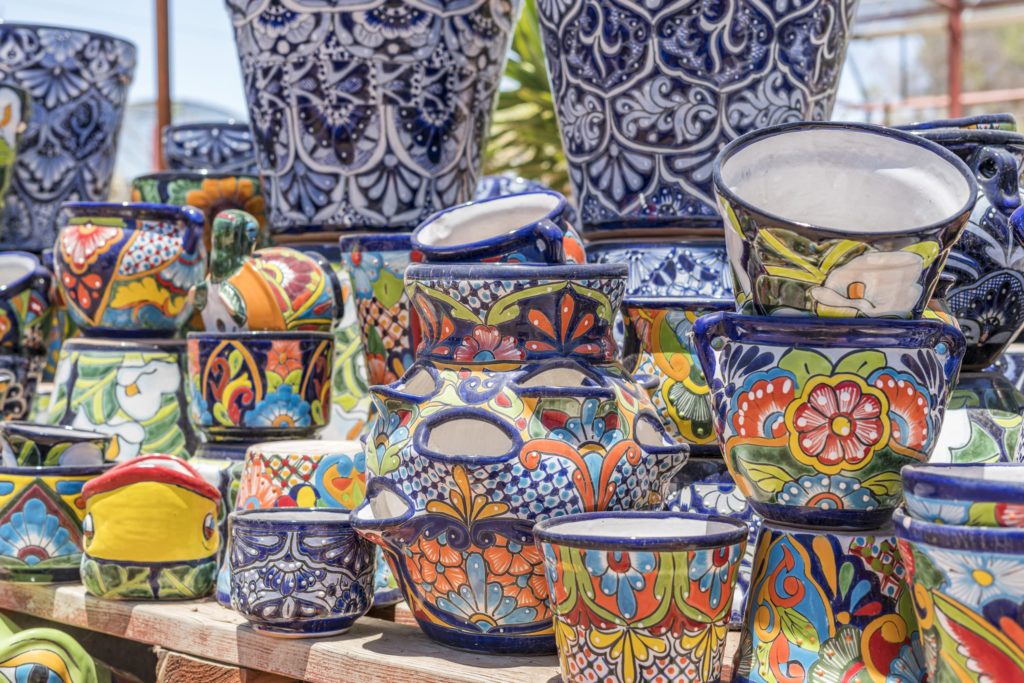
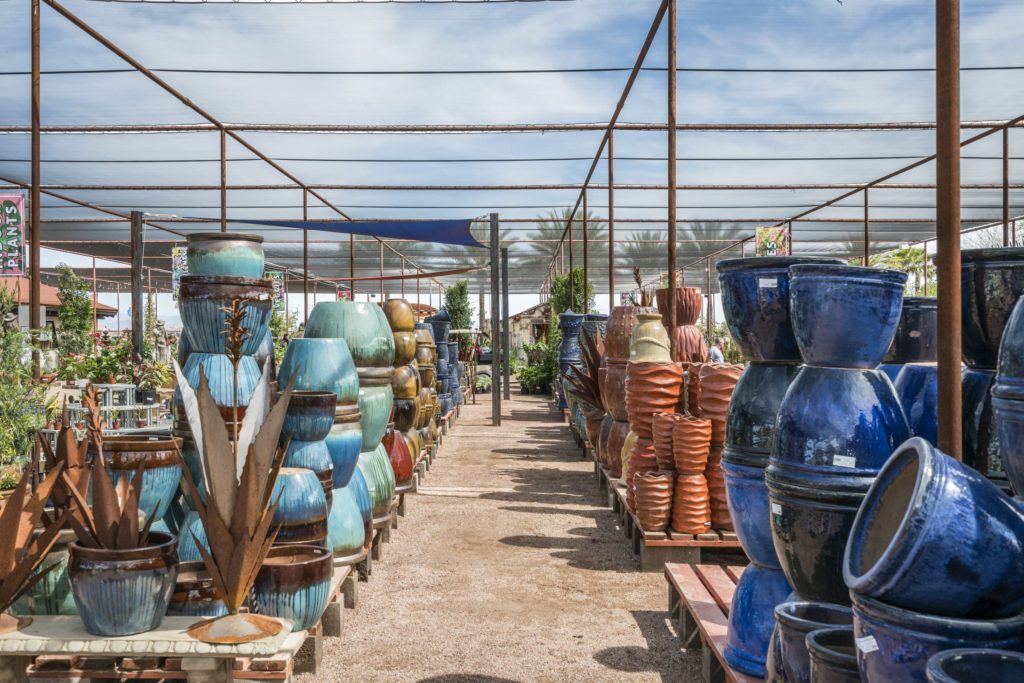
Annuals succeed or fail on what’s under them. We stock planting mix and compost for beds, potting mix for containers, bloom fertilizers including Tony’s Magic Mix and Magic Flower, starter fertilizer, drip fittings and frost cloth for the cold nights. The pottery yard has glazed and terracotta pots from 4-inch to whiskey-barrel size, window boxes and hanging baskets, and soil and mulch is sold by the bag or by the yard.
Mid-October through January. Spring plantings bolt and flower briefly.
It was planted in spring. The plant needs winter to build a rosette; fall-planted cornflowers bloom for six weeks or more.
Weekly through winter once established, every three to four days while flowering in spring. It prefers lean, dry conditions.
It helps in wind. Plant in a close block or use a low ring of stakes and string.
It self-sows if you let the last flowers set seed and leave the bed undisturbed over summer.
Yes, cornflowers are non-toxic to cats and dogs.
Bachelor’s Button live on the annuals tables; any staff member can point you to them. Locally owned, and a short drive from San Tan Valley, Gilbert, Chandler and Mesa.